

2026 Game Shield SDK Buying Guide: How to Choose for DDoS Protection, Anti-Disconnection & Anti-Cheat
How to pick the right Game Shield SDK? This easy-to-understand guide breaks down its real value for blocking attacks, preventing disconnections, and stopping cheats. Tailored to different gaming scenarios, it helps you find a truly suitable game security solution.


If you've ever worked on a game—whether it's a mobile game, PC title, private server, or web game—you've probably run into these situations:
- Your game just launched, but before players even show up, the servers get hit.
- During peak hours, players get disconnected, stuck at login, or can’t join rooms.
- Even with decent server specs, latency keeps spiking.
- Cheats, bots, and API spam ruin the experience for real players.
- Your devs check the logs and find nothing but “abnormal traffic” and “unknown requests.”
Most people’s first thought is: "Are the servers weak? Should we add more machines?"
But if you've been through it before, you know—
Most of the time, the problem isn’t the server itself—it’s that you’re missing the protection layer of a Game Shield SDK.
In this article, we’ll break everything down in a way any game developer can understand, covering:
- Why games are such easy targets for attacks
- What a Game Shield SDK actually does
- The main types of Game Shield SDKs on the market
- How to choose the right Game Shield SDK for your game type
- What makes a reliable Game Shield solution in 2026
No complex protocols, no confusing jargon—just what you need to know about whether to use one, whether it’s worth it, and how to choose.
1. Why Are Games So Easy to Attack? It’s Not Bad Luck—They’re Just Low-Hanging Fruit
Here’s the reality: Games are among the easiest targets for attacks in the entire internet industry.
The reasons are pretty straightforward:
- Long online sessions: Games run 24/7.
- High real-time demands: Players notice lag immediately.
- Lots of endpoints: Login servers, gateways, battle servers, payment callbacks.
- Concentrated user traffic: Launches, events, and updates cause instant traffic spikes.
- Fierce competition: Competitors, cheat developers, and black/gray market operators are always watching.
Attacking you is cheap. But if you can’t handle it, the losses are huge.
- Player churn
- Reputation damage
- Interrupted revenue
- Dev teams working overnight to put out fires
And traditional server protection is basically “running naked” against these kinds of attacks.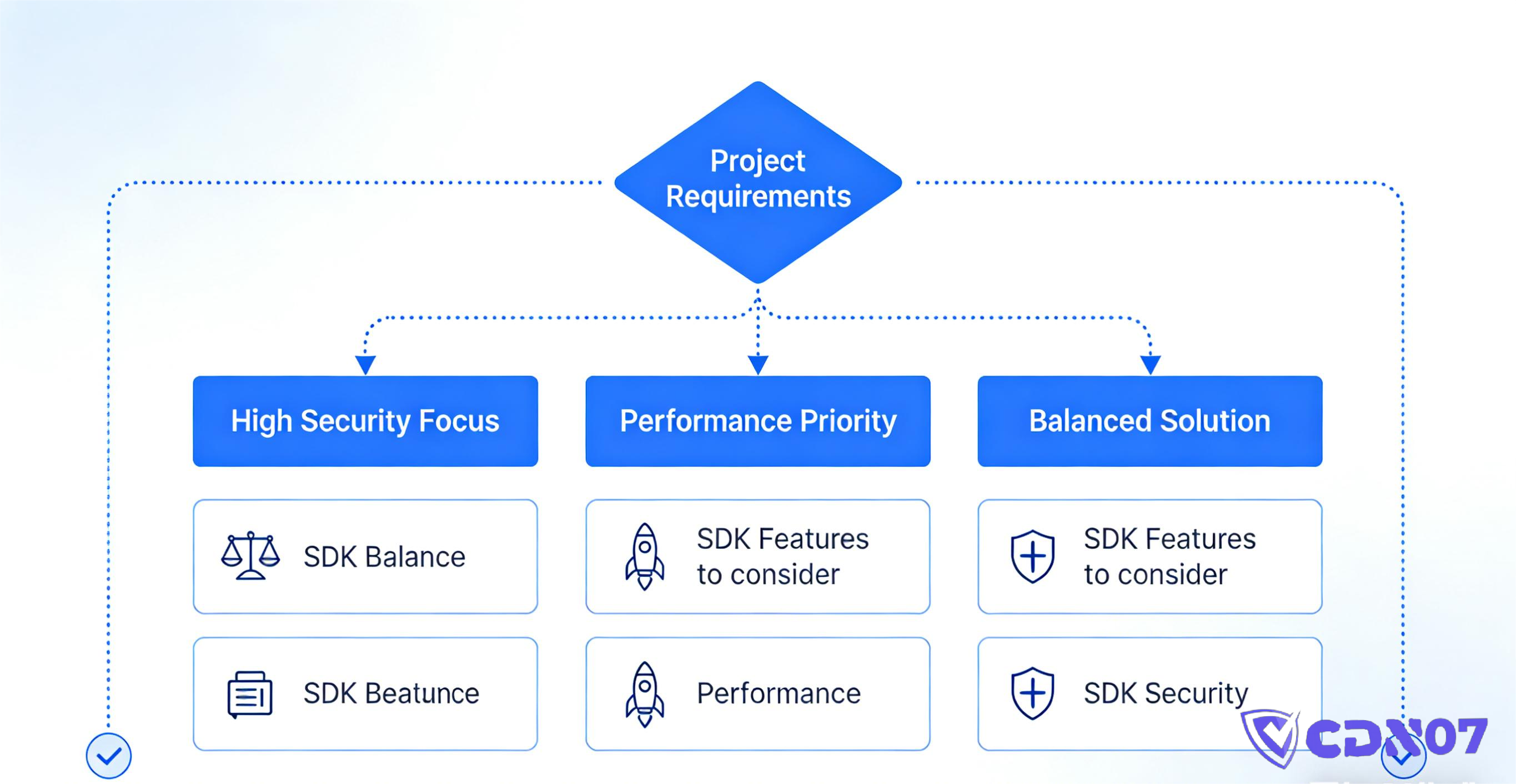
2. What Is a Game Shield SDK? The Simple Explanation
In one sentence:
A Game Shield SDK is like a dedicated protective layer you wrap around your game—designed to block attacks, stabilize connections, and filter out suspicious behavior.
Think of it this way:
- It’s not a firewall.
- It’s not just adding more bandwidth.
- It’s a custom-built, front-end protection layer made specifically for games.
It generally does three core things:
- Blocks attacks before they reach your game servers
- Makes connections for real players more stable and smooth
- Filters out cheats, bots, and abnormal requests ahead of time
The key thing: 👉 All of this happens before player traffic actually hits your servers.
3. Without a Game Shield SDK, How Do Games Get “Killed”?
Let’s skip the jargon and look at real scenarios.
Scenario 1: Login server under attack
Attackers spam login requests
→ Legit players get stuck in login queues
→ Timeouts and failures
→ Players think the servers crashed
Scenario 2: Mid-game disconnections
Abnormal connections clog the channels
→ Real player packets can’t get through
→ Players drop suddenly
→ Matches are ruined
Scenario 3: Cheats and bots spamming APIs
Not a huge flood of traffic, but requests that look like “normal players”
→ Servers can’t tell the difference
→ Performance gets slowly dragged down
These problems are almost impossible to solve by just beefing up your servers.
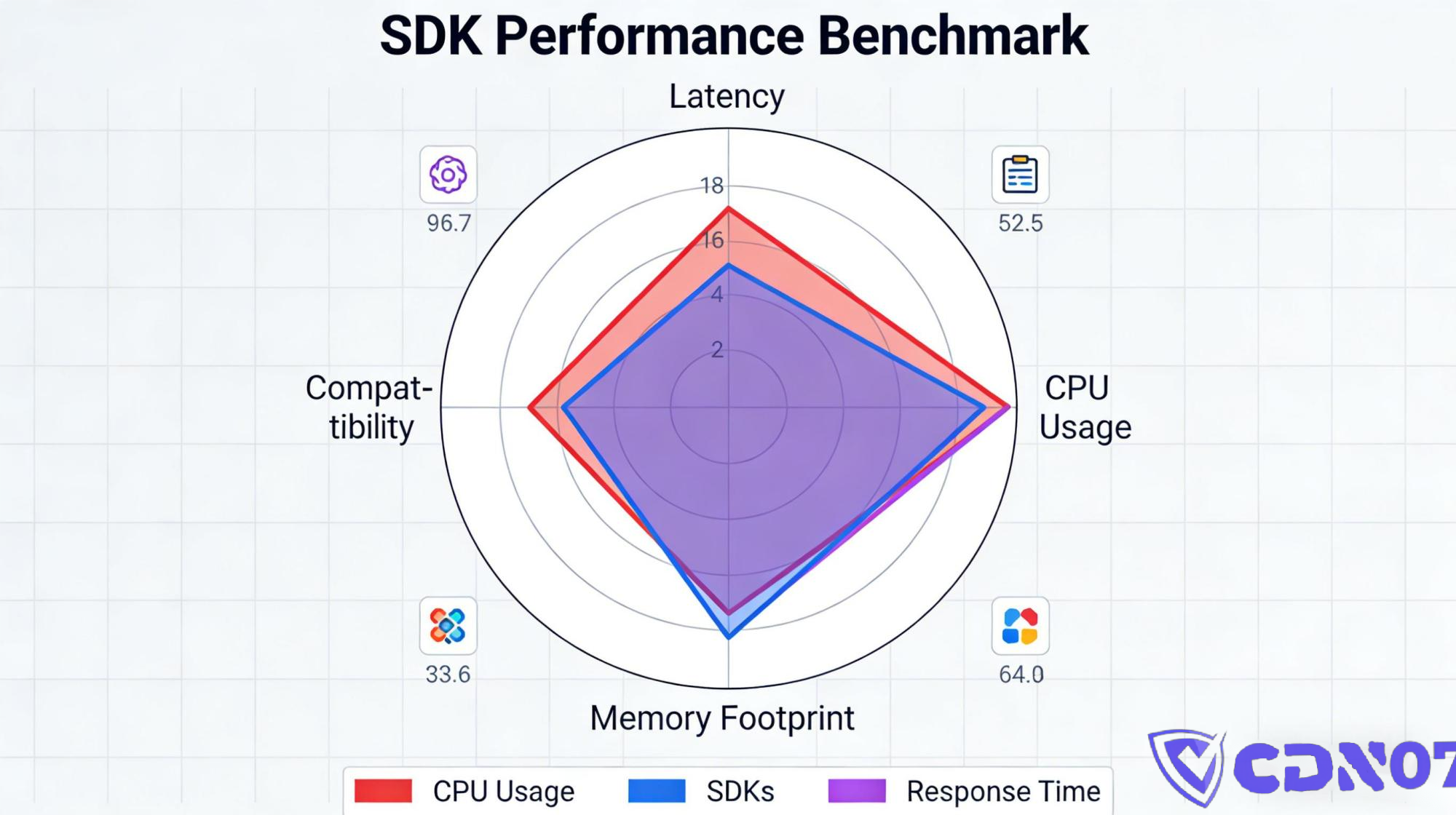
4. How Does a Game Shield SDK Fix These Issues?
The core logic of a Game Shield SDK comes down to three points:
1️⃣ Traffic goes through the “Shield” first, then to your servers
All player connections hit the Game Shield nodes first.
Normal traffic → gets through.
Abnormal traffic → gets blocked, rate-limited, or dropped.
Your servers only receive “clean traffic.”
2️⃣ More stable connections, harder to get knocked offline
The Game Shield organizes connections:
- Filters out invalid connections
- Merges abnormal requests
- Prioritizes real players
The result: 👉 Fewer disconnections during peak hours.
3️⃣ Suspicious behavior gets handled early
For example:
- Unnatural operation frequency
- Fixed bot-like behavior patterns
- Requests that clearly aren’t from real humans
These get blocked before they ever touch your game logic.
5. Common Game Shield SDK Solutions Fall Into These Categories
If you search for “Game Shield SDK recommendation,” you’ll see a bunch of names—but the underlying logic is pretty similar.
Category 1: Bare-Metal Server Protection (Not Recommended)
- Relies on the server’s own defenses
- Or adds a basic firewall
Upside: Cheap
Downside: Pretty much useless
Category 2: Generic Anti-DDoS + Basic SDK
- Offers some protection
- But isn’t designed specifically for games
Can block some attacks, but not friendly to real-time performance and low latency.
Category 3: Dedicated Game Shield SDK (The Mainstream Choice)
- Built specifically for game connections, protocols, and behavior
- Protects against attacks + stabilizes + reduces latency
In 2026, the solutions worth choosing are mostly in this category.
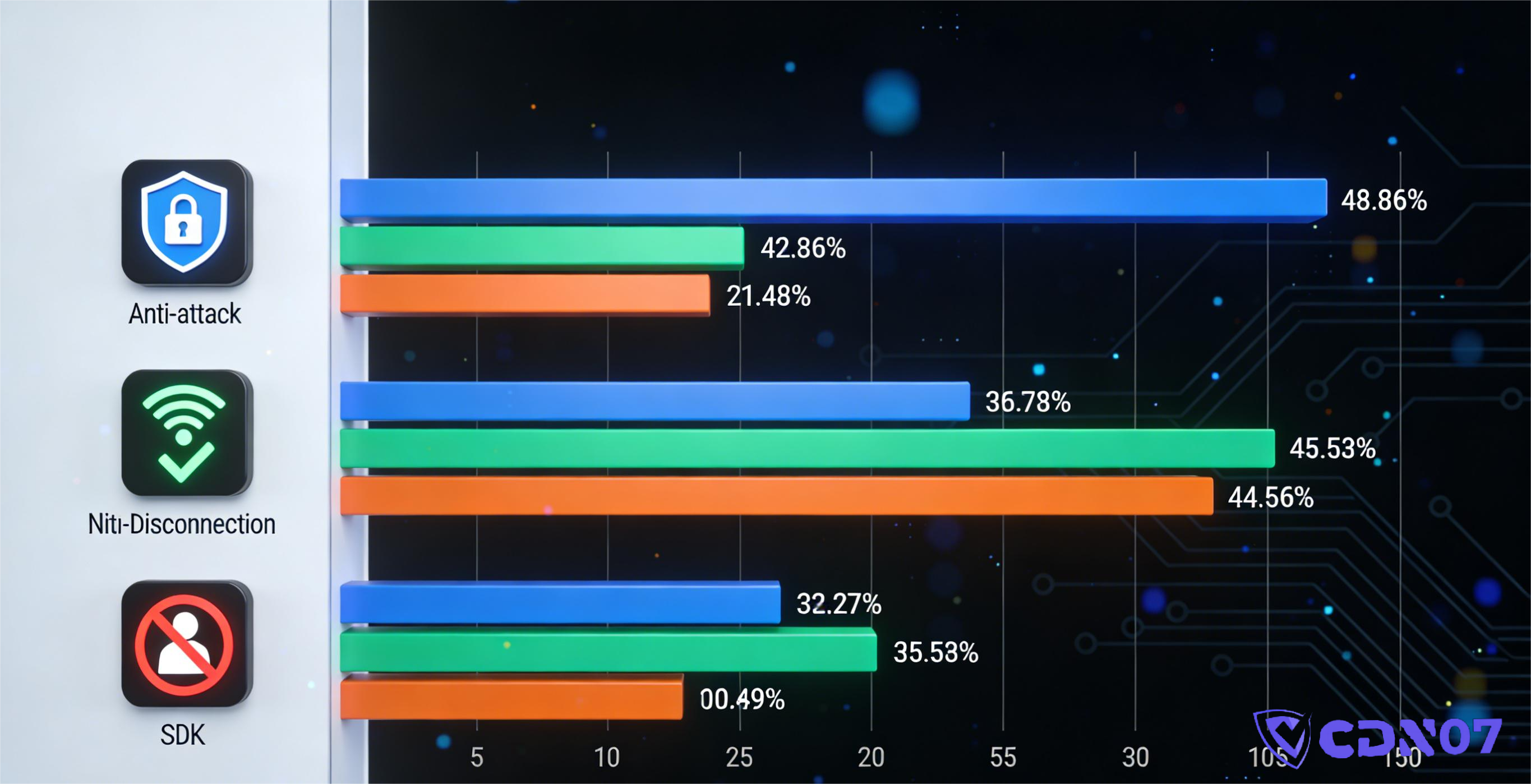
6. How Should You Actually Choose a “Game Shield SDK”? Focus on These 5 Points
Whether you’re a small team or a mature project, these 5 points matter more than specs.
① Can it handle “real attacks”?
Don’t just look at advertised “X Gbps protection.”
Ask: 👉 When you’re under attack, can players still play normally?
② Does it affect latency?
Games can’t afford “protection that makes everything laggy.” A good Game Shield should deliver stable, even lower latency.
③ Can it keep disconnection rates under control?
During protection, track:
- Login success rate
- Match stability
- Smooth reconnections
These matter more than “peak protection capacity.”
④ Does it detect cheats and bots?
Not all attacks are huge traffic floods. Many games die from being slowly drained.
⑤ Is integration a headache?
If the SDK requires major code changes or complex maintenance, it’s a nightmare for small-to-mid-sized teams.
7. Which Games Really Need a Game Shield SDK?
See if you fit any of these:
- New game at launch → Essential
- Frequent events/server merges → Essential
- Has in-app purchases/trading → Essential
- Private servers/overseas servers → Basically required
- Competitive/real-time PvP → Extremely critical
On the flip side, only games that are low-traffic, purely single-player, and non-competitive might get away without one.
So, how does CDN07’s Game Shield SDK actually work in practice?
After reading the basics, most people have one very practical question:
“Okay, I get the idea. But what does using it actually look like?”
Let’s walk through CDN07’s Game Shield SDK using a real game integration process, not just specs.
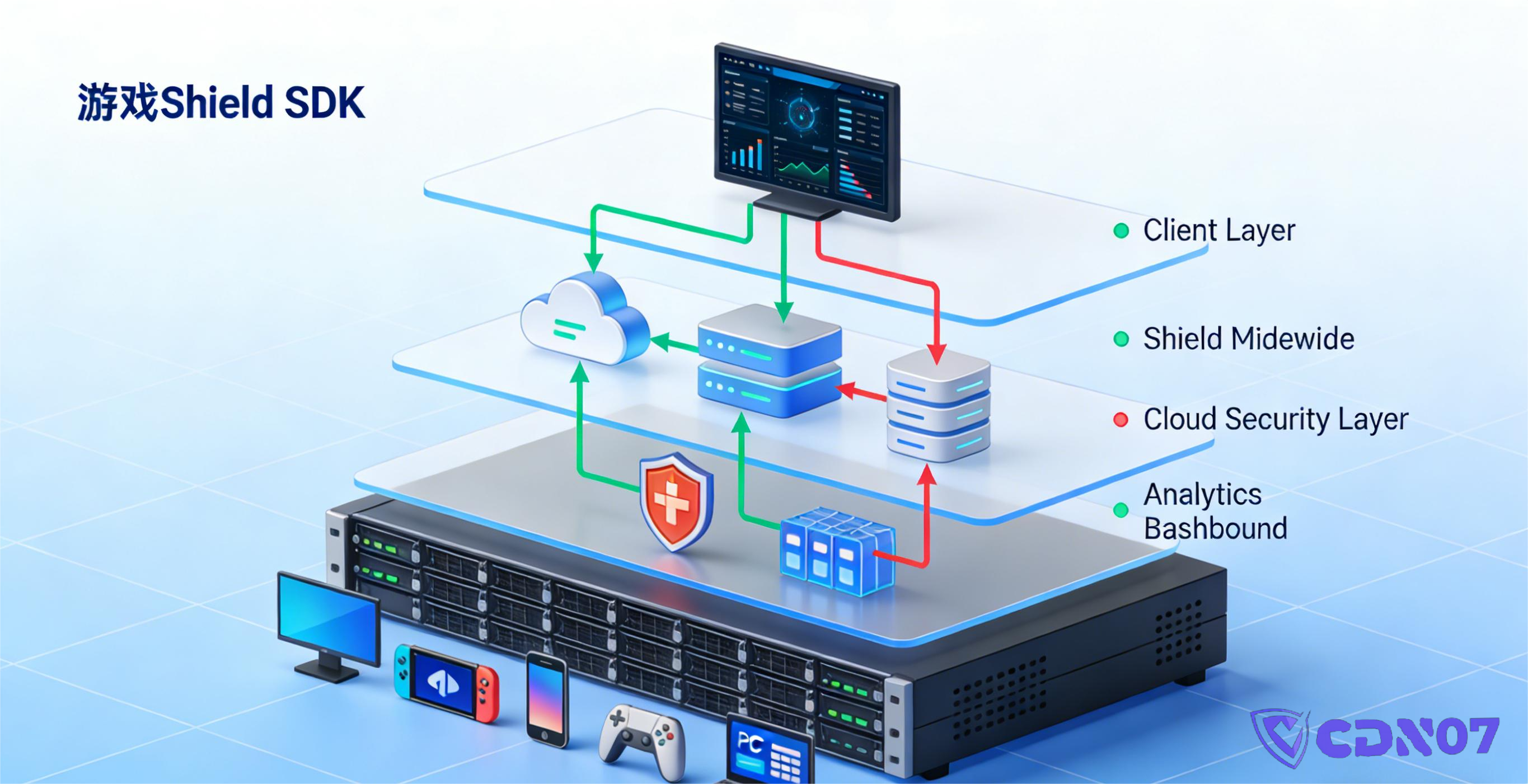
1️⃣ It doesn’t “run on your server”—it sits “in front of your server”
This is a common misunderstanding.
CDN07’s Game Shield SDK isn’t about running a complex program on your server. Instead:
- Players → connect to CDN07’s Game Shield nodes first
- Traffic gets identified, scrubbed, and organized at the node layer
- Clean, stable connections → then reach your login server / gateway / battle server
What does this mean?
- Attack traffic never touches your servers
- Your servers only handle “real players”
- CPU, bandwidth, and connection pressure drop significantly
👉 Your server is no longer the “first line of defense”—it’s the “last line.”
2️⃣ The Game Shield SDK mainly solves these three painful problems
✔ Problem 1: Launch/peak hour attacks
- Login servers getting spammed
- Gateway connections overwhelmed
- Players can’t get in
CDN07’s approach: Peak traffic shaping at the edge nodes, blocking abnormal connections outside.
What you’ll typically see:
- Much higher login success rates
- Drastically reduced queues and timeouts
✔ Problem 2: Mid-game disconnections and lag spikes
When many games get hit, they don’t just “crash”—instead:
- Players drop during sessions
- Latency jumps around
- Skills feel delayed
What CDN07’s Game Shield does here is pretty straightforward:
- Prioritizes real player connections
- Rate-limits or drops abnormal connections
- Stabilizes data channels
Result: During protection, the player experience stays mostly unchanged.
✔ Problem 3: Bots, cheats, and suspicious behavior
These are tough for servers to handle on their own.
The Game Shield SDK judges at the connection and behavior level, checking things like:
- Does the operation frequency look human?
- Are request patterns abnormal?
- Are there obvious automation signs?
These get handled before entering your game logic,
so they don’t slow down your servers or affect real players.
3️⃣ Different game types use CDN07’s Game Shield SDK differently
Let’s be practical—no one-size-fits-all.
🎮 Mobile / PC Games
- Focus: Login stability + uninterrupted gameplay
- Shield placement: Login servers + gateway layer
🌍 Overseas / Private Servers
- High attack frequency, mixed attack types
- Game Shield coverage needs to be broader
- Emphasis on DDoS protection + anti-spam
⚔ Competitive / Real-Time PvP Games
- Extremely latency-sensitive
- Shield strategy: “Stable connections, low intervention”
- Goal isn’t maximum blocking, but “no disconnections first”
That’s why a shield built for games is so different from generic anti-DDoS.
8. Why Do Many Teams Prefer CDN07-Style Game Shield Solutions?
Users are more honest about this than vendors.
Based on lots of real feedback, what teams care about isn’t “marketing numbers,” but these things:
- When under attack, can the game still be played?
- Does the protection accidentally block real players?
- Does latency skyrocket as soon as protection kicks in?
- If something goes wrong, is there quick support?
CDN07’s Game Shield SDK isn’t about “stacking specs.” It’s about this:
Making the game perform, during an attack, as if it weren’t being attacked at all.
For player experience, that’s more important than any number.
9. One Last Truth
Many games don’t fail because they’re bad—they die in the “before they even had a chance to get good” phase.
In 2026’s landscape:
A Game Shield SDK is no longer a “nice-to-have”—it’s infrastructure.
You can delay gameplay optimizations. You can build content slowly.
But you can’t wait until you’re under attack to think about protection.
Frequently Asked Questions (FAQ)
Q1: Will a Game Shield SDK make my game laggy?
This is the most common concern.
Normally, no—it actually makes things more stable.
Why?
- Attack traffic gets blocked early
- Server load decreases
- Legit player connections run smoother
The key: 👉 Use a shield actually designed for games, not a generic protection tool forced onto your game.
Q2: Does integrating a Game Shield SDK require major code changes?
Usually not.
Typical integration involves:
- Minor SDK implementation
- Configuration adjustments
- No changes to core gameplay logic
For small-to-mid teams, control and maintainability are what matter.
Q3: Do only heavily attacked games need a Game Shield?
No.
Many games have this pattern:
- Seem fine normally
- Break during events, updates, or launches
A Game Shield isn’t just about stopping attacks—it’s about handling peak traffic safely.
Q4: Do small-scale games really need a Game Shield SDK?
If you match any of these, yes:
- Has in-app purchases
- Has leaderboards / competition
- Players log in concentrated waves
- Mainly serves overseas users
Put another way: If you wait until after you’ve been hit, fixing it usually costs more.
Q5: Can a Game Shield SDK completely stop cheats?
It can’t “100% eliminate all cheats”—that’s the truth.
But it can:
- Reduce cheat success rates
- Increase the cost of cheating
- Block obviously suspicious behavior upfront
It’s a foundational layer of protection, not a magical cheat eraser.
Q6: If I use a Game Shield, do I still need a high-defense server?
They’re not mutually exclusive.
A more reasonable setup is:
Game Shield SDK + a stable base server
Instead of piling all the pressure onto the server alone.
Q7: When is the best time to add a Game Shield SDK for cost-effectiveness?
Short answer:
The moment you start taking the game seriously.
Not after an incident, but when you want it to survive and thrive reliably.
Share this post:
Related Posts
Which Websites Are a Good Fit for CDN07's DDoS-Protected CDN, and How Does It Compare with Cloudflare?
Compare CDN07 and Cloudflare for websites serving users in Mainland China, including connectivity, D...
How Much Does a DDoS-Protected CDN Cost per Month? Plans, Legitimate Traffic, and Additional Charges
The monthly cost of a DDoS-protected CDN depends on the plan allowance, legitimate traffic usage, pr...
How to Choose a DDoS-Protected CDN: Workloads, Network Connectivity, and Protection
Choosing a DDoS-protected CDN takes more than comparing mitigation capacity and monthly price. This...