

How Much Does DDoS-Protected CDN Cost? Where Does Your Money Actually Go?
Wondering about DDoS-protected CDN pricing? We break down bandwidth, protection levels, nodes, CC mitigation, and operational costs to show you the real reasons behind the price differences.

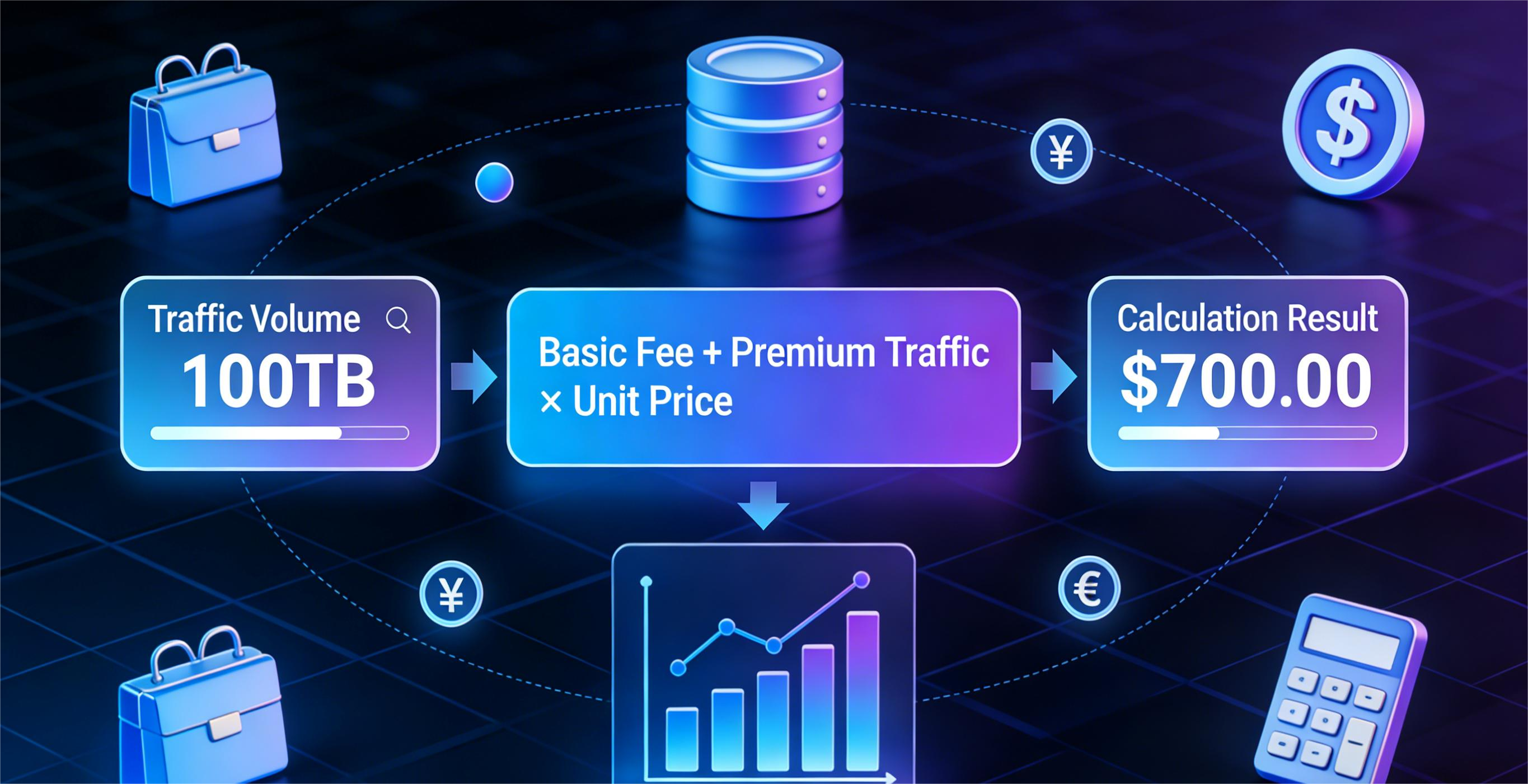
The first time many site owners see a quote for a DDoS-protected CDN, their gut reaction is: "It's just another CDN layer, why is it so much more expensive than a regular one?"
Some see prices of a few hundred per month, others see several thousand, and some quotes even go into five figures.
This usually leads to one of two conclusions:
- Either they feel ripped off and walk away
- Or they buy it without really understanding, only to have it fail when an actual attack hits
In this article, I won't side with providers or try to whitewash anything. I'll just break down the pricing logic of a DDoS-protected CDN, piece by piece, from the perspective of an experienced site owner who's been hit, made mistakes, and actually paid the bills.
After reading, you'll at least be able to do three things:
- Understand why DDoS-protected CDNs are expensive
- Know exactly where your money is going
- Stop falling for "budget DDoS protection" marketing talk
1. A DDoS-protected CDN is never as simple as "paying for monthly traffic"
Many beginners instinctively think of a DDoS-protected CDN as an "upgraded data package."
That's the first big misunderstanding. The pricing of a DDoS-protected CDN is essentially:
"Paying to have a complete set of attack-mitigation resources prepped and on standby for you at all times."
You're not charged only when you're attacked. Instead, the provider must permanently reserve that capacity for you.
The money you spend is more like "insurance" rather than "pay-as-you-go."
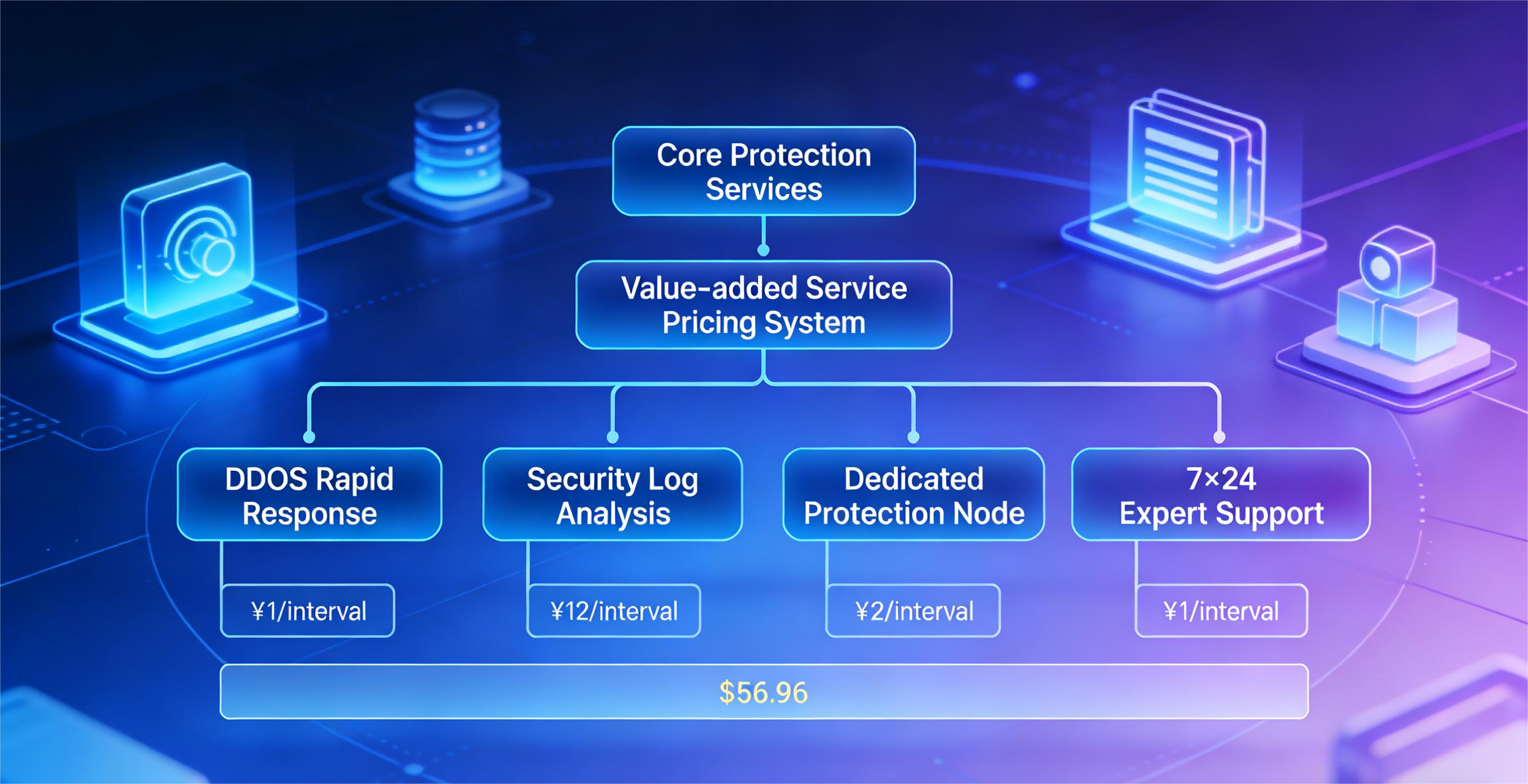
2. Your money for a DDoS-protected CDN goes mainly into these 6 areas
These 6 items are the real reasons behind price differences of double, triple, or even tenfold.
1️⃣ Protection Bandwidth (Usually the Most Expensive Part)
This is the largest cost component.
Think of it this way:
- Regular CDN: Prepares roads for "daily traffic"
- DDoS-protected CDN: Must also build extra "emergency superhighways"
When an attack hits, traffic can be:
- 50 times your normal volume
- 100 times
- Even 1000 times
To handle that, the provider must maintain a massive pool of reserved protection bandwidth in advance.
Why are "advertised protection levels" so different?
- 50Gbps protection
- 100Gbps
- 300Gbps
- 1Tbps+
It's not just marketing. It represents real, expensive resources.
👉 This is why you should be extra careful with "$20/month DDoS-protected CDNs."
2️⃣ Scrubbing Capacity (It's Not Just About Having Big Pipes)
Many people assume:
"Big bandwidth = Good protection"
That's the second misunderstanding.
Attack traffic isn't just a flood; it's dirty water mixed with "normal visits."
A proper DDoS-protected CDN must:
- Let real users through
- Filter out attack traffic
This step relies on:
- Real-time analysis
- Behavioral detection
- Request frequency checks
These capabilities are built on algorithms + specialized hardware + a skilled operations team.
👉 A CDN with strong scrubbing capabilities will never be cheap.
3️⃣ Node Quality & Location
You might have seen this:
- Advertises "200 global nodes"
- Only a dozen are actually usable for protection
What's valuable isn't the "number of nodes," but rather:
- How much bandwidth each node has
- If they support attack rerouting
- Whether the nodes actually participate in mitigation
Some cheap setups:
- Only have 1-2 actual protection nodes
- Get congested immediately when attacks concentrate
A mature DDoS-protected CDN:
- Distributes attacks across multiple nodes
- Automatically reroutes traffic
- Keeps the site up even if one node is overwhelmed
👉 Most site owners never see this part, but this is where a lot of the money goes.
4️⃣ CC Attack Protection (The Most Underestimated Cost)
Many owners only watch for DDoS, yet it's often CC attacks that take sites down.
CC attacks are tricky because they:
- Don't use massive bandwidth
- Mimic real human behavior
- Target your most resource-intensive functions (logins, searches, carts)
Stopping CC isn't about bandwidth. It's about:
- Behavior analysis
- Smart rule-sets
- Intelligent rate-limiting
Maintaining this is extremely costly. That's why you'll notice:
- Many "budget DDoS" plans
- Claim to stop DDoS
- But fail completely under a CC attack
5️⃣ Origin Hiding & Backend Architecture
If this isn't done right, your money is mostly wasted.
A real DDoS-protected CDN will always:
- Hide your real server IP
- Control & secure the path back to your origin
- Prevent attackers from bypassing the CDN
This involves:
- Sophisticated network design
- Access policy controls
- Anti-bypass mechanisms
👉 Many "fake" DDoS-protected CDNs are exposed right here.
6️⃣ Operations & Emergency Response (Invisible but Critical)
Attacks don't only happen during business hours.
They come at 3 AM, on holidays, on weekends.
A mature provider has behind it:
- 24/7/365 operations team
- Automated alerts
- Human engineers ready to step in
You're not buying a "control panel." You're buying an entire protection system on permanent standby.
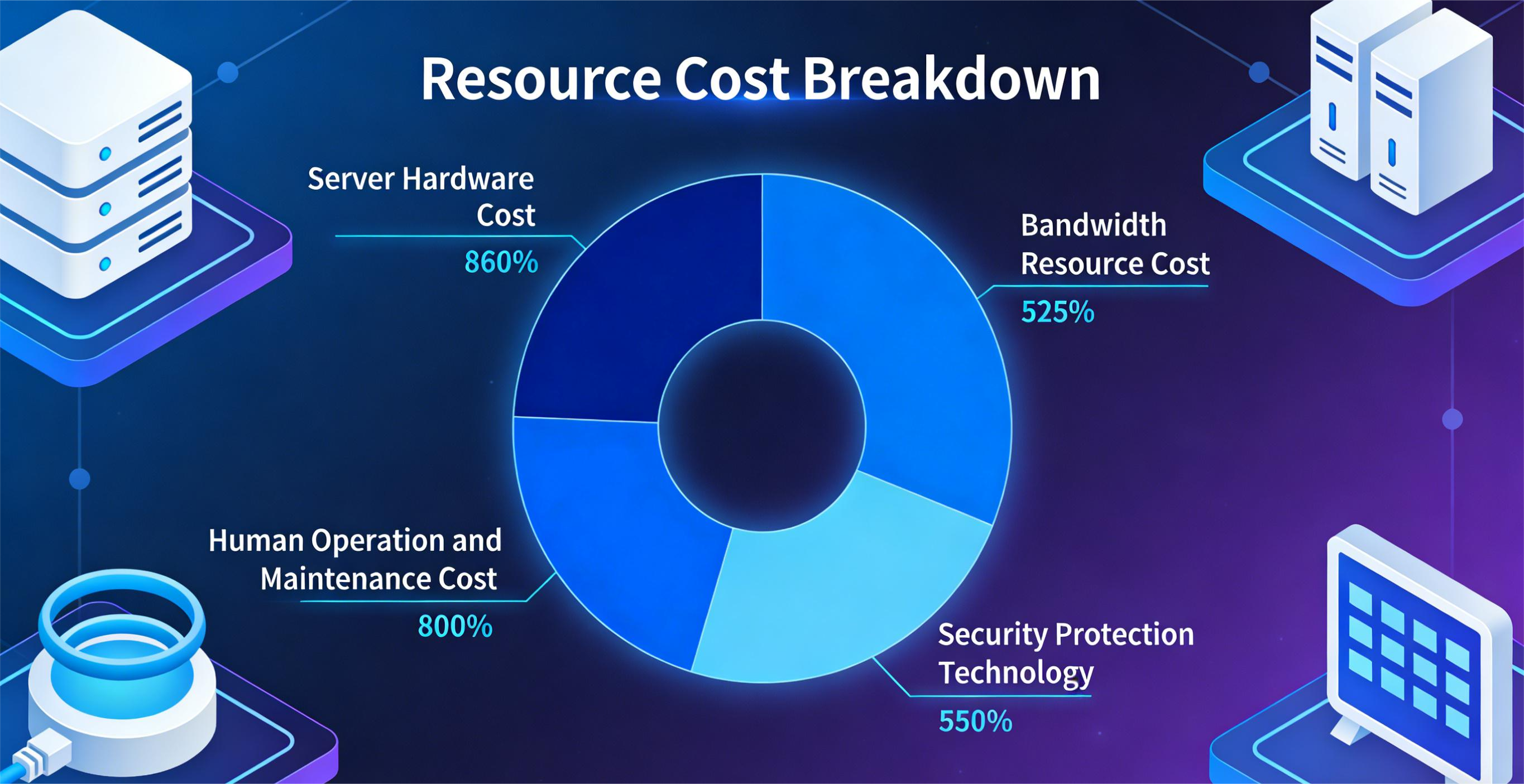
3. Why can prices for "DDoS-protected CDNs" vary by double or even ten times?
Here's the most honest explanation.
Cheap "DDoS-protected" CDNs usually:
- Have nice-looking advertised protection numbers
- Share resources among many customers
- Start throttling or blocking when attacks get big
- Or immediately ask you to "upgrade your plan"
A truly reliable DDoS-protected CDN:
- Has dedicated, real protection resources
- Builds in redundancy
- Can sustain attacks long-term
- Doesn't rely on upselling you during a crisis
👉 You're not buying a "name," you're buying peace of mind.
4. The 4 most common pricing traps site owners fall into
I see these all the time.
❌ Trap 1: Only looking at the "monthly fee," ignoring the protection specs
❌ Trap 2: Not asking "what happens if we exceed the plan?"
❌ Trap 3: Ignoring CC protection, only focusing on DDoS
❌ Trap 4: Thinking you only pay when attacked, but resources are reserved anyway
5. How much should a normal website realistically spend?
Here's a practical price range from a site owner's view (not official quotes).
- Brochure site / Small business site
→ A few hundred to around $1000/year - Actively growing site running ads
→ $1000-$2000+/year starting point - E-commerce / High-risk industry / Frequent target
→ Several thousand per year is normal
If for your website:
- One day of downtime loss > One year of CDN cost
Then you shouldn't hesitate about this expense.
6. A word of honest advice from a seasoned owner
The money for a DDoS-protected CDN isn't spent on "the day you get attacked."
It's spent on ensuring that:
- On that day, your site stays online
- Customers can still place orders
- Your search rankings don't tank
- You don't have to wake up at 3 AM to fight fires
Many think it's too expensive because they haven't felt the real pain of a major outage yet.
Final Thoughts
If you're choosing a DDoS-protected CDN right now, remember this:
A price difference always reflects a difference in resources and capability.
Not every site needs the most expensive plan, but almost no site is a good fit for the "cheapest DDoS protection."
Frequently Asked Questions (FAQ)
1️⃣ Why is a DDoS-protected CDN so much more expensive than a regular CDN?
Because it's not selling "traffic," it's selling protection capacity. A regular CDN just speeds things up. A DDoS-protected CDN must also reserve massive bandwidth, scrub attacks in real-time, handle huge traffic spikes, and hide your origin. You're paying for "resources ready to stop an attack at any moment."
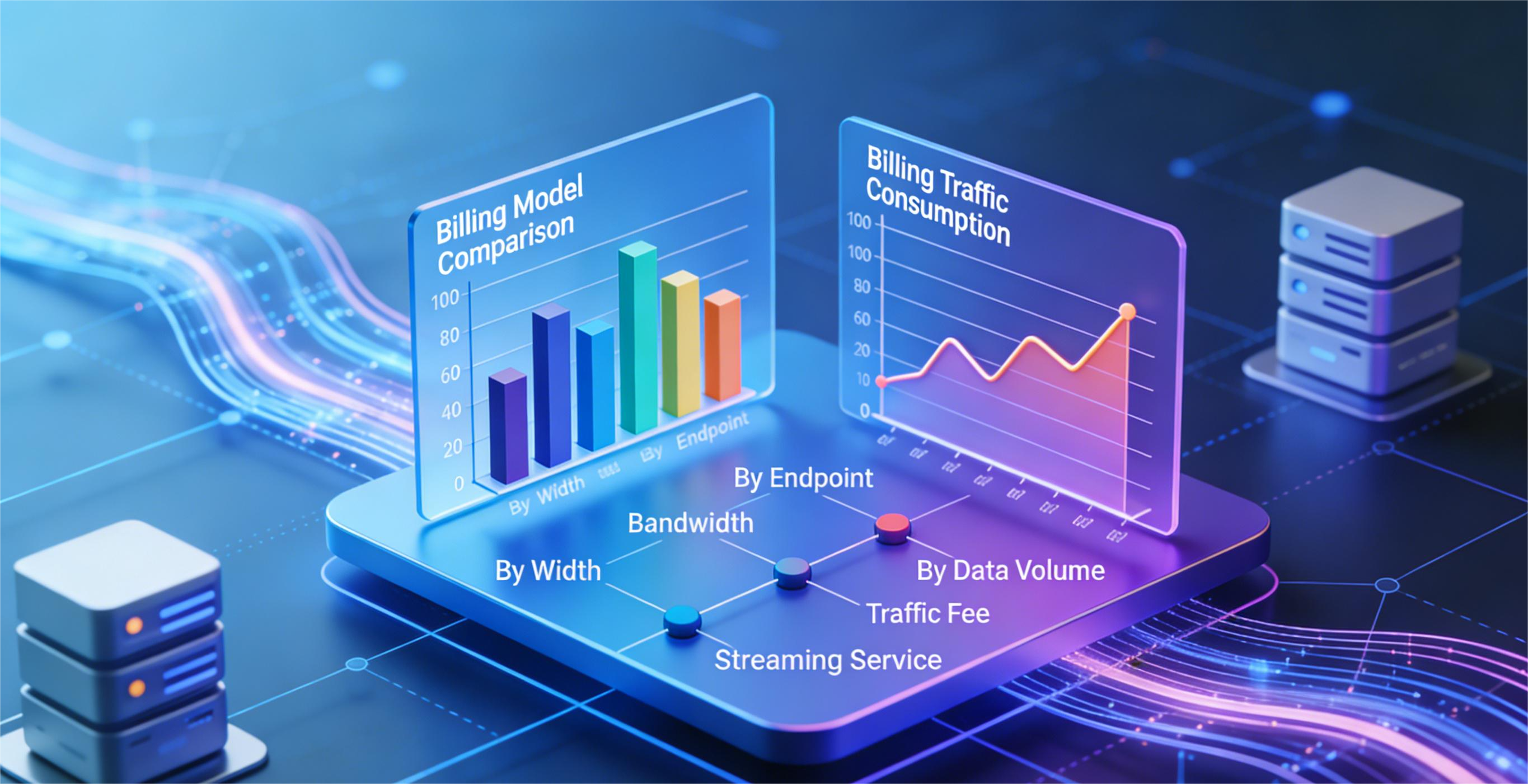
2️⃣ Is pricing based on traffic or bandwidth?
Both exist. Bandwidth-based: Predictable cost, good if you fear attacks. Traffic-based: Seems cheaper but bills can skyrocket during an attack. If you're worried about attacks, choose a bandwidth/protection-focused plan.
3️⃣ Are advertised protection levels like 100G, 300G, 1T+ realistic?
Distinguish between: Advertised Level (marketing) and Available Level (reality). A trustworthy provider can explain their capacity, show real cases, and won't push an upgrade the moment an attack starts. Protection level isn't about "bigger is better" but "enough and sustainable."
4️⃣ Will I be charged extra if attacked?
Always clarify this upfront. Common scenarios: 1) Attack within plan limits → no extra charge. 2) Exceeds plan → throttling or upgrade discussion. 3) Traffic-based billing → your bill spikes. "Do I pay more during an attack?" is a must-ask question.
5️⃣ Is CC attack protection included in the price?
Yes, but many budget plans do CC protection poorly. Effective CC mitigation requires costly behavior analysis, smart rate-limiting, and rule maintenance. If your site has logins, checkouts, or APIs, verify the CC protection is real, not just a checkbox.
6️⃣ Why do some cheap "DDoS-protected CDNs" fail under attack?
Usually because: Protection resources are shared, node bandwidth is limited, scrubbing is weak, or they just pass the attack through to you. Low price isn't the issue; failing under pressure is.
7️⃣ What's the pricing difference between a DDoS-protected CDN and a DDoS-protected IP?
Simple: DDoS-protected IP protects one server IP (lower cost). DDoS-protected CDN adds global nodes, acceleration, and holistic protection (higher cost). For website owners, the CDN is often worth the extra cost for ease and stability.
8️⃣ If my site has never been attacked, is a DDoS-protected CDN a waste?
It depends on what your site is worth. If downtime hurts revenue, you run ads, or have concentrated customer traffic, then you're not buying "attack protection" but "insurance against disaster."
9️⃣ Can I buy a cheap DDoS-protected CDN?
Yes, but know its purpose: It might stop small attacks. It likely won't handle sustained, large attacks. Don't put your core business on a "trial" plan.
🔟 What are the key pricing questions when choosing?
At a minimum, ask: 1) What's the real protection level & duration? 2) What happens if we exceed it? 3) Is CC protection on by default & effective? 4) Is my origin IP truly hidden and non-bypassable? If these aren't clear, don't buy, no matter the price.
Share this post:
Related Posts
What Is Intelligent Traffic Scrubbing in High-Protection CDNs? A Complete Guide to How It Works
Most high-protection CDN providers promote "intelligent traffic scrubbing," but few people truly und...

Building the Next Generation of Game Security: CDN07 Officially Launches Game SDK Shield
CDN07 officially introduces Game SDK Shield, a next-generation game security solution that combines...
Which High-Protection CDN Is the Most Reliable for Websites Hosted on Overseas Servers?
More businesses are deploying their websites on overseas servers in locations like Hong Kong, Singap...