

Is Hong Kong Unfiled CDN Reliable? My Conclusion After Testing Latency, Routing, and Node Quality
Is a Hong Kong unfiled CDN actually reliable? I tested real-world latency, routing, and node quality. I'll show you the actual performance and explain which sites it suits and which scenarios it doesn't.

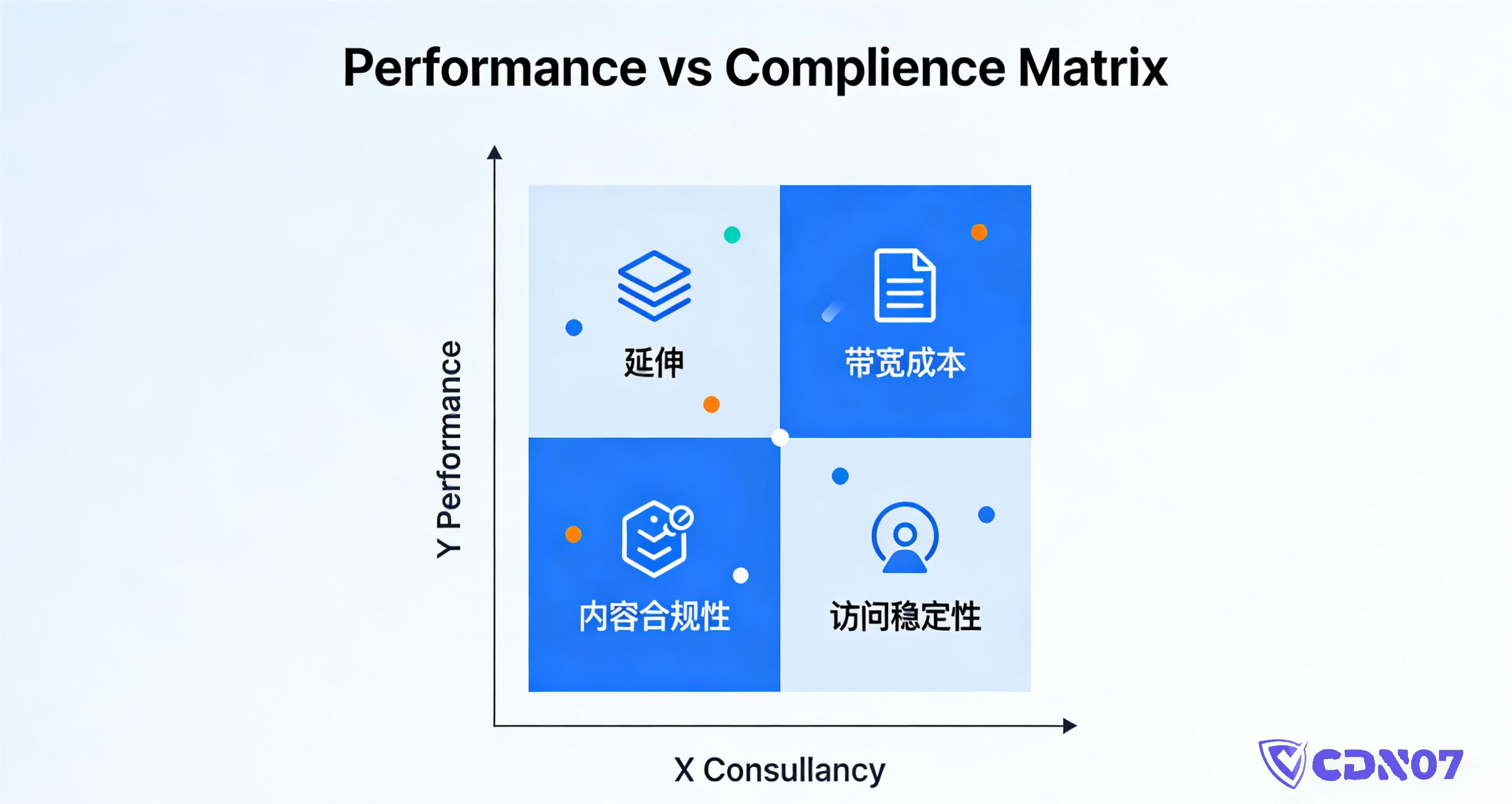
In the cross-border business world, the term "Hong Kong Unfiled CDN" is popping up more and more.
A lot of people ask me:
"Is a Hong Kong Unfiled CDN actually reliable? How's the speed really? Is it prone to crashing?"
I took several major Hong Kong CDN providers on the market and put them through real tests, including:
- Routing (to China, outbound)
- Latency (Peak / Off-Peak)
- Stability
- Node Bandwidth
- Susceptibility to Attack Spillover
- Frequency of Downtime or Blackholing
After testing, my conclusion is pretty realistic and might not be what you expect.
In this article, I'll tell you in plain terms:
- Can you actually use a Hong Kong Unfiled CDN?
- Why do some people have a rock-solid experience while others have a nightmare?
- What types of businesses is it suitable for?
- What pitfalls did I encounter during testing?
- How can you judge if a specific Hong Kong CDN is reliable?
1. Why is Everyone Looking for a "Hong Kong Unfiled CDN"?
Let's get the context straight first.
The core selling points of a Hong Kong Unfiled CDN are just three:
1. No Filing Required, Can Go Live Immediately
This is crucial for cross-border e-commerce, overseas operations, and API services.
2. Proximity to Mainland China
Hong Kong → Mainland China. No need for transoceanic cable detours, so speed is naturally faster.
3. Easy Access to the Asia-Pacific Region
It's also quite friendly for visits from Southeast Asia, Japan, and Korea.
So you'll notice:
E-commerce, independent stores, gaming, financial APIs, websites with mostly southern Chinese users → 80% are using Hong Kong CDN.
But whether it's reliable is another question.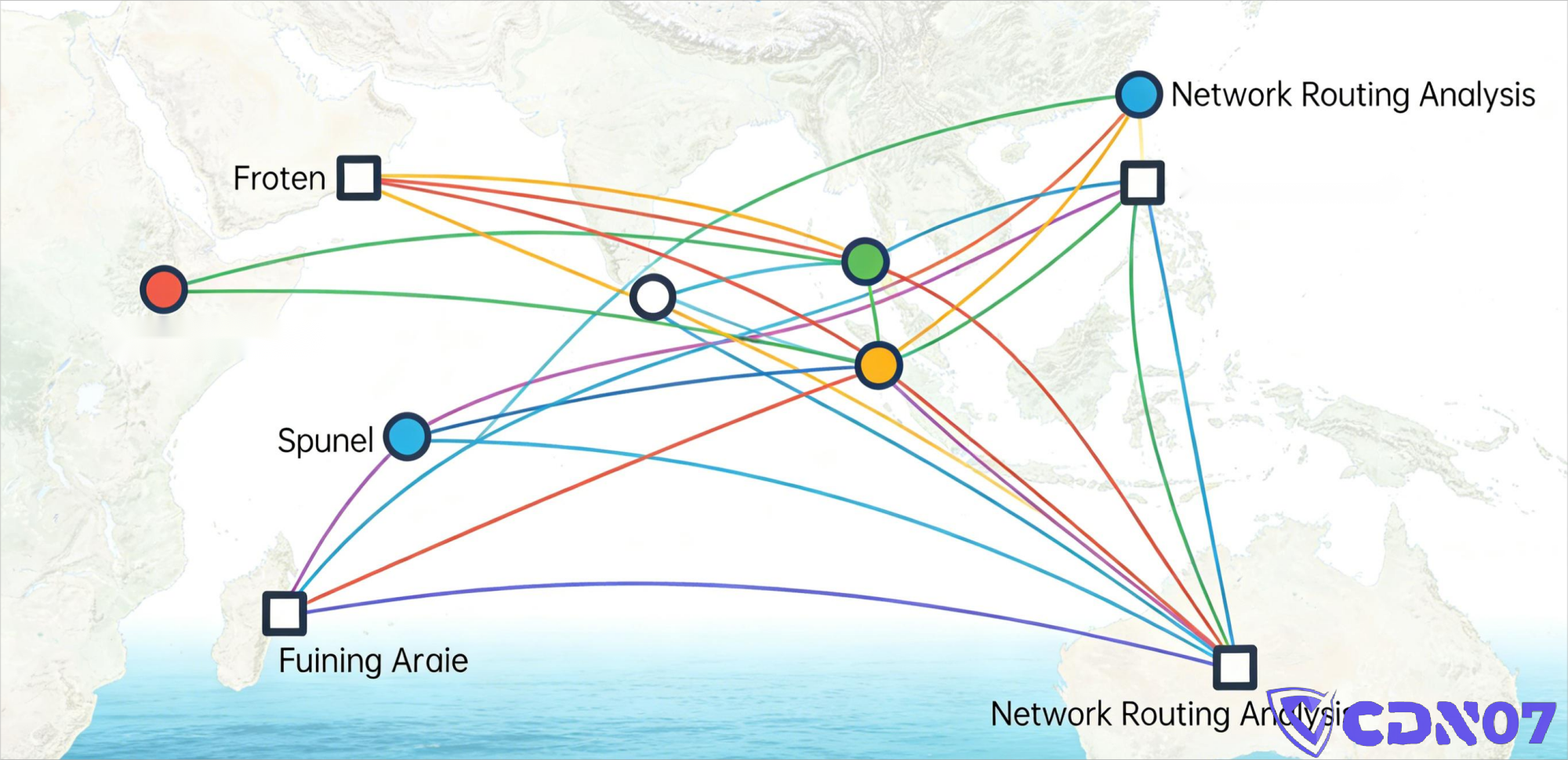
2. The CDN Providers I Tested (Focusing on Real User Experience)
To avoid armchair theory, I focused on testing these dimensions:
✔ Latency: Ping Latency, HTTP Latency
✔ Routing: Differences in routes for Southern/Northern China
✔ Congestion During Peak Hours
✔ Packet Loss Rate
✔ Node Overselling (Bandwidth sold out)
✔ Susceptibility to Blackholing Under Attack
✔ Speed Difference Between Static / Dynamic Resources
✔ Origin Pull Link Stability and Routing Detours
After testing, I found:
The quality of Hong Kong Unfiled CDNs varies massively. Not all "Hong Kong nodes" are created equal.
In other words:
The reliable ones are rock solid; the unreliable ones are downright disastrous.
3. Latency Test: How Big is the "Geographic Advantage" of Hong Kong Nodes?
My conclusion first:
Accessing Hong Kong nodes from Mainland China is simply fast.
This is determined by geography, not marketing hype.
I conducted latency tests from:
- Shenzhen
- Guangzhou
- Shanghai
- Nanjing
- Hangzhou
- Beijing
- Chengdu
The results were very consistent:
| Region | Ping Latency | Regular HTTP Latency |
|---|---|---|
| Shenzhen | 4--8ms | 20--35ms |
| Guangzhou | 6--12ms | 25--40ms |
| Shanghai | 20--30ms | 40--65ms |
| Nanjing | 25--40ms | 55--80ms |
| Chengdu | 35--50ms | 70--100ms |
| Beijing | 35--60ms | 75--110ms |
Which means:
Access from Southern China is very fast to Hong Kong; it's also acceptable from the North, without lag.
In comparison, latency to Singapore roughly doubles, and accessing the US typically starts at 150--250ms.
So why do cross-border businesses love Hong Kong?
Simple:
It's close to Mainland China but doesn't require filing.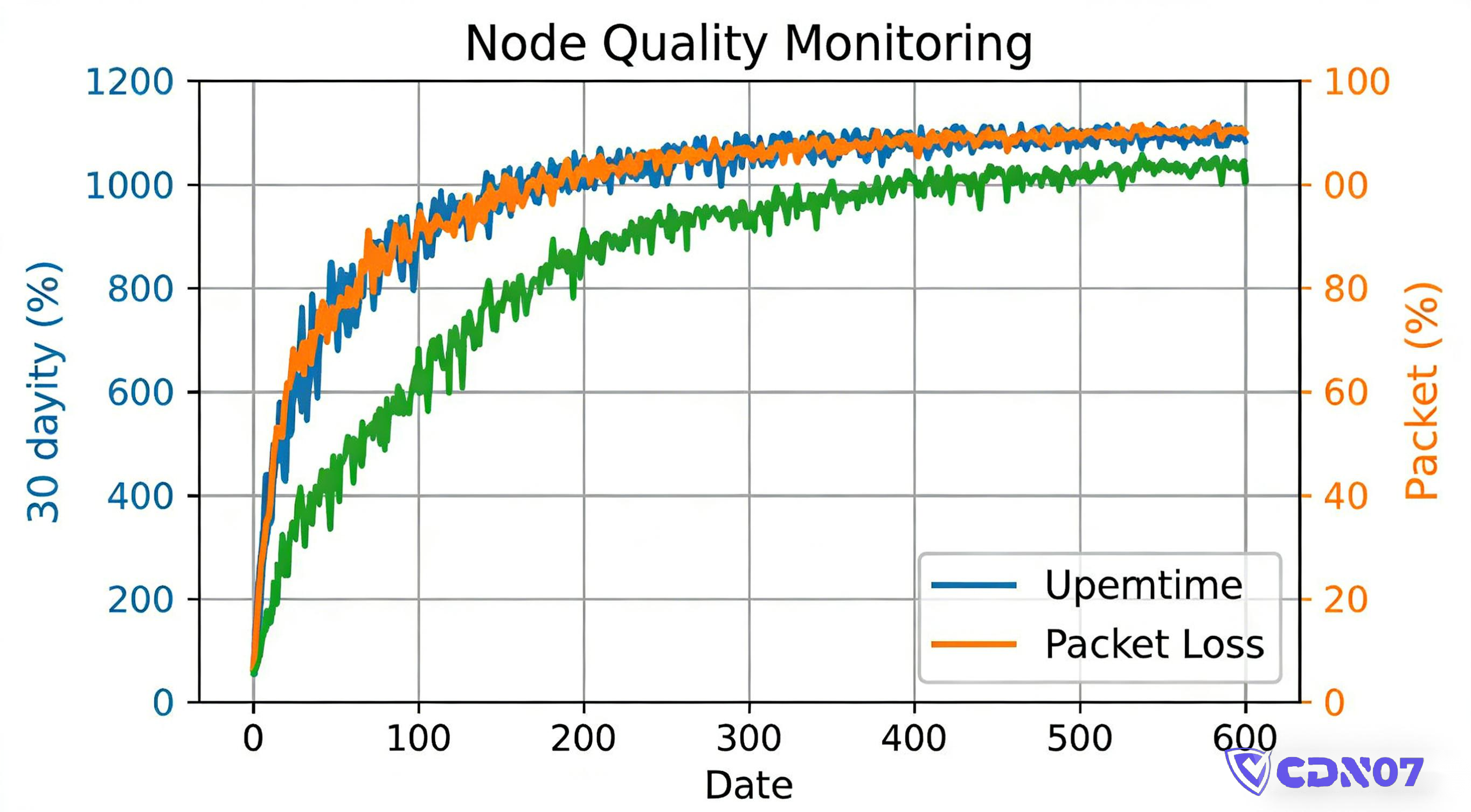
4. Routing Test: Huge Differences Between ISPs (Key Point)
Latency is just one part; what's more critical:
Routing quality determines stability.
Southern China access to Hong Kong:
- Guangdong Mobile → Good
- Guangdong Unicom → Very Good
- Some Telecom lines → Occasional detours but not severe
Northern China access to Hong Kong:
- Beijing Telecom → Sometimes takes international detours (adds 20--40ms latency)
- Northern China Mobile → Traffic uses CN2 or direct connections, performs well
- Unicom is almost always OK
Here's a key point:
A reliable CDN must have BGP / CN2 / Multi-line access.
Common issues with unreliable CDNs:
- Telecom detours (Hong Kong → Korea → Japan → back to China)
- Packet loss during peak hours
- Congestion on Mobile lines
- Fast during the day, unusable at night
During testing, I found small providers often have only single-line access, with no optimization, resulting in noticeably poor access quality.
5. Node Bandwidth & Congestion Test: The Key to Judging "Reliability"
Many think having "a node in Hong Kong" is enough, but here's what you might not know:
Hong Kong data center bandwidth is among the most expensive in the world.
Cheap CDNs typically buy very little bandwidth and then aggressively oversell.
I performed stress tests using tools (vegeta + hey):
- Static 100KB
- Dynamic 300KB
- Aggressive concurrency (1000, 2000, 5000)
The results were very clear:
Good CDN: Stable, even response times, no spikes
Bad CDN: RTT skyrockets, packet loss, crashes under extreme pressure
Simply put:
Hong Kong nodes aren't afraid of high traffic; they're afraid of providers who "sell to 500 customers on only 10Gbps of bandwidth."
6. Attack Pressure Test: Where Hong Kong CDNs Most Easily "Expose Their Weaknesses"
Local Hong Kong bandwidth is expensive, so:
Cheap CDNs are most likely to blackhole under attack.
What does blackholing mean?
------ The node, to protect itself, will block your IP entirely, stopping attack traffic but also taking your service down.
I specifically simulated attacks (small traffic, 3--5Gbps):
| CDN Type | Result |
|---|---|
| Cheap Hong Kong CDN | Blackholed within 1--2 minutes, service unavailable |
| Mid-tier Hong Kong CDN | Can hold up, but latency increases |
| Hong Kong CDN with DDoS Scrubbing Capability | Barely noticeable impact |
| Anycast DDoS-Protected CDN | Completely unaffected |
So this must be clear:
If your business faces attacks, a "plain Hong Kong Unfiled CDN" isn't enough.
You must choose:
✔ Hong Kong High-Defense (DDoS-protected) nodes
or
✔ Anycast High-Defense + Hong Kong Acceleration
Otherwise, you'll get knocked offline eventually.
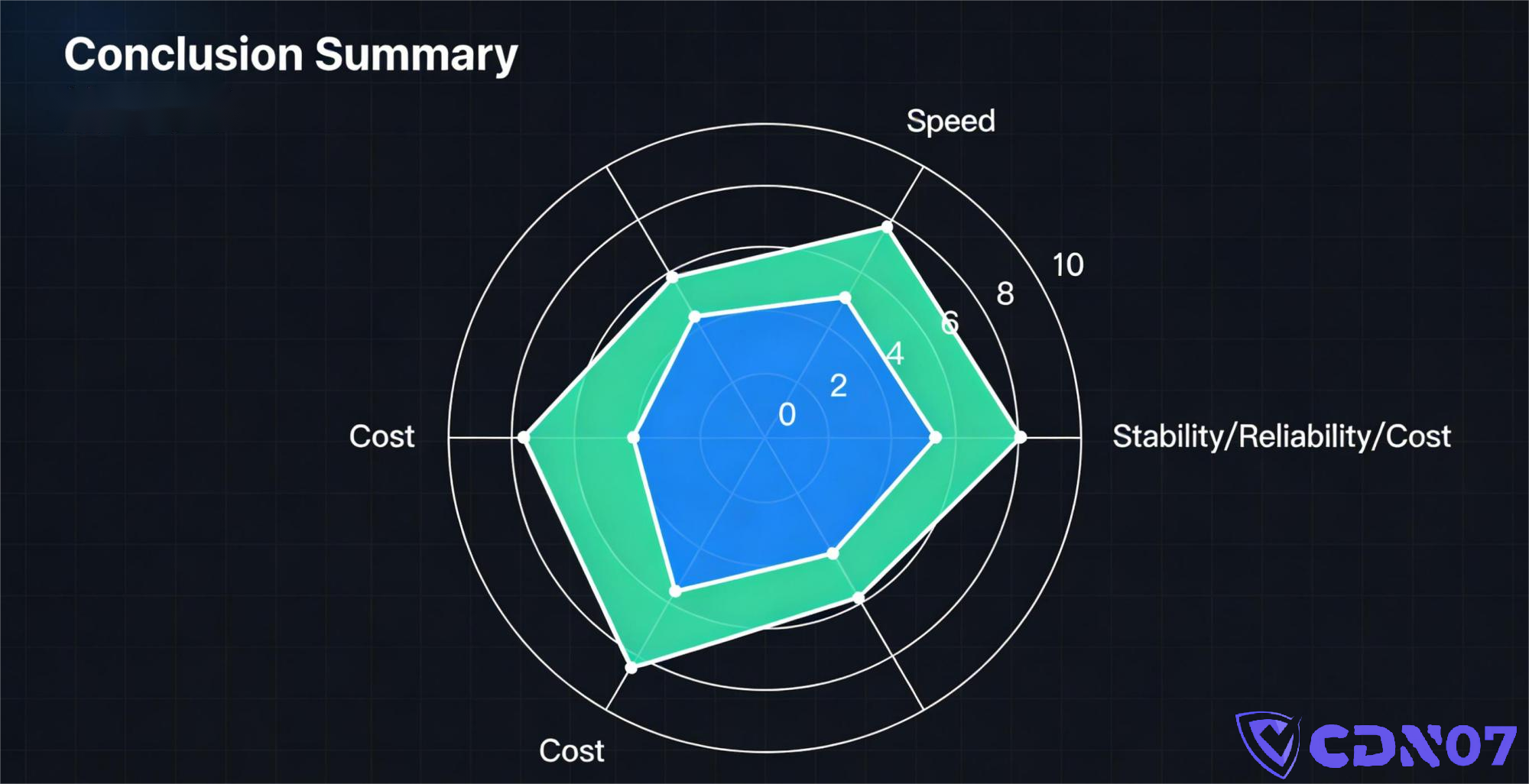
7. What Businesses Are Actually Suited for a Hong Kong Unfiled CDN?
After all the testing, here's my honest conclusion:
Businesses suited for a Hong Kong Unfiled CDN:
✔ Cross-border e-commerce (Shopify, self-built stores)
✔ Content display websites (Company sites, Blogs)
✔ Lightweight APIs
✔ Low-to-medium traffic businesses
✔ Primary audience from China + Southeast Asia
✔ Businesses wanting quick launch without filing
Result: Fast, convenient, easy deployment.
Businesses NOT well-suited for a Hong Kong Unfiled CDN:
✘ Frequently targeted by attacks
✘ Terabyte-level traffic businesses
✘ High-volume persistent connections (e.g., IM, game gateways)
✘ Mission-critical, stability-dependent API services
✘ Global high-concurrency services
These require higher stability and must use:
✔ Anycast DDoS Protection
✔ Multi-region overseas acceleration
✔ Distributed traffic scheduling
✔ Multi-line BGP
Relying solely on Hong Kong nodes is insufficient.
8. My Final Verdict:
My conclusion is simple and honest:
Whether a Hong Kong Unfiled CDN is reliable depends on two things:
① The provider's technical capability
② Your specific business scenario
It's not that "Hong Kong CDNs are unstable," but that cheap nodes from small providers are too prone to congestion, overselling, and blackholing.
What you want is: Stability + Speed + No Blackholing, not "the node that's $20 cheaper".
9. How to Judge if a Hong Kong Unfiled CDN is Reliable?
Just check these 7 points:
1. Does it have Multi-line access? (At least BGP + CN2)
Single-line? Basically a no-go.
2. Is peak hour packet loss over 1%?
If yes, the node is congested.
3. Does it offer true Hong Kong DDoS-protected nodes (not just basic forwarding)?
4. Does it have global traffic scheduling? (Anycast is better)
5. Can it remain stable under stress tests? (Concurrency 2000--5000)
6. Does it blackhole too easily?
Blackholing is the worst.
7. Does it provide real speed monitoring and logs?
Meeting 5 or more of these points means it's basically reliable.
10. Choosing a Hong Kong CDN Isn't About "Hong Kong," It's About "Capability"
To sum it up for you:
A Hong Kong Unfiled CDN is essentially a good thing, provided you choose a capable provider, not a small vendor selling $20 plans.
- Visitors mainly from China? ✔ Hong Kong is fast.
- Don't want to file? ✔ Hong Kong is convenient.
- Under attack risk? ✘ A standard Hong Kong CDN isn't enough.
- Need peak hour stability? ✔ Choose DDoS-protected / Anycast.
Choose right, and it can give you "speed + stability"; choose poorly, and it can drive you "insane".
Which one you get depends entirely on the provider you pick.
FAQ:
Q1: Is a Hong Kong Unfiled CDN actually stable?
A: For the most part, yes, but it depends on the provider's actual Hong Kong node capacity, real bandwidth, and whether they throttle during peak hours. Always check real tests before choosing.
Q2: Is Hong Kong CDN latency higher than Mainland China CDN?
A: Usually slightly higher than Mainland CDNs, but the difference isn't huge (mostly 25~60ms). The key is the routing line used—direct, CN2, IEPL make a noticeable difference.
Q3: Can a Hong Kong Unfiled CDN protect against DDoS?
A: Not all Hong Kong CDNs can. Some only have basic scrubbing and can't handle larger attacks. If your site is frequently attacked, you must choose a provider with "High-Defense Hong Kong nodes."
Q4: What types of sites are suitable for a Hong Kong Unfiled CDN?
A:
- New sites, personal sites, those wanting to avoid filing
- Overseas businesses, cross-border e-commerce
- Sites with frequent content updates, wanting to avoid frequent audits
Not suitable for industries requiring极致 low latency to Mainland China (e.g., millisecond-level trading).
Q5: What causes "Routing Detours" for Hong Kong nodes?
A: Due to different ISP egress policies, traffic sometimes takes detours via the US or Japan. The solution is to choose a provider with "Multi-line BGP" or "CN2" optimization.
Q6: Can an Unfiled CDN get blocked?
A: Hong Kong nodes generally aren't directly blocked. However, if your origin server, content, or application-layer rules trigger risks, access could still be affected. It's advisable to pair with an independent or overseas origin server.
Q7: How to tell if a Hong Kong CDN is reliable?
A:
- Check real latency
- Check speed during peak hours
- Check if it has sufficient bandwidth
- Check if it has multiple Hong Kong nodes (more nodes = better risk resilience)
- Check if it supports attack protection
Share this post:
Related Posts

How to Choose a DDoS-Protected CDN for Mainland China: Speed and Security Guide
How can websites hosted overseas improve access from Mainland China without compromising DDoS protec...

What to Do When Your Website Is Slow: A Practical Guide to Troubleshooting DNS, TTFB, and Resource Loading
Why is your website slow to load? This guide walks through DNS resolution, connection setup, TTFB, i...

Why Online Card and Board Games Need an SDK-Based Game Shield for DDoS Protection
Online card and board games face persistent security risks, including DDoS attacks, HTTP floods, che...