

The Most Practical DDoS Protection Solutions Guide: Complete Strategy for Cross-Border E-commerce, Web3, and Gaming
DDoS attacks are one of the most common security threats for websites like cross-border e-commerce stores, Web3 projects, and gaming platforms. Here’s a complete, practical guide to DDoS protection solutions. We break down attack mechanics, high-defense CDN architecture, and website security strategies, plus real-world tips from site owners to help you choose a stable and reliable plan.

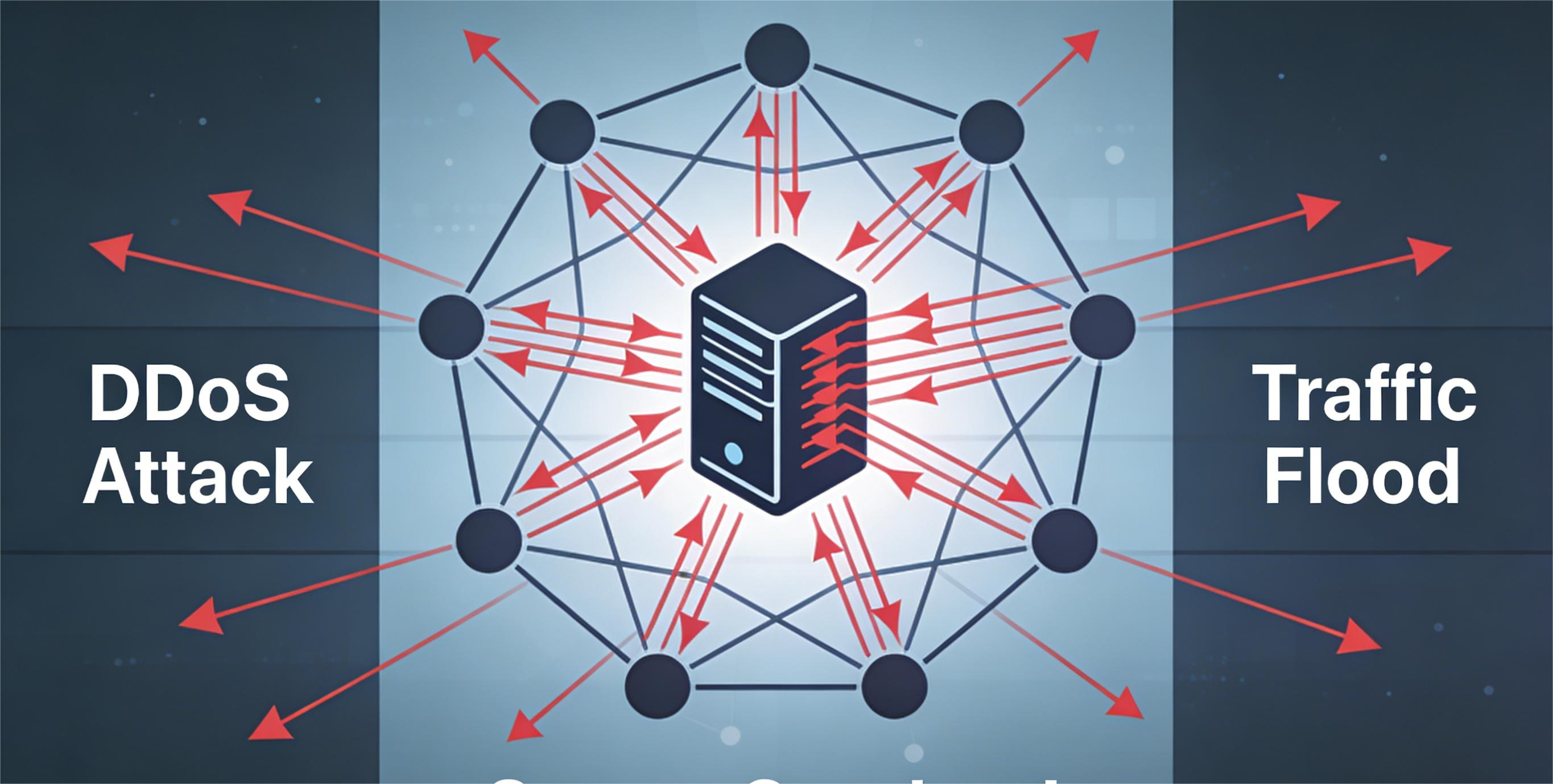
If you run a project on the internet, sooner or later you're going to run into one specific problem: a DDoS attack.
The first time many site owners get hit, the reaction is almost always the same: the server suddenly slows down, the website won't load, and the CPU maxes out.
Some people even think their server is just broken. But when you open your monitoring panel, you'll notice one thing:
Your traffic has suddenly skyrocketed by tens of times. That’s when you know for sure—you're getting attacked.
This is especially true if you're running one of these types of sites: cross-border e-commerce, Web3 projects, gaming platforms, download sites, or API services.
These websites are prime targets.
So, for this article, I'm drawing on years of experience to walk you through a set of truly practical DDoS protection solutions. Not just theory, but strategies that site owners actually use.
1. First, let's get this straight: What exactly is a DDoS attack?
In simple terms: A DDoS attack = flooding your server with so much traffic it gets clogged up.
Attackers usually use a network of compromised computers ("bots") to send massive amounts of requests to your site.
These requests cause: bandwidth saturation, CPU exhaustion, and ultimately, your server goes down.
When users try to visit, they'll see things like:
For a website, this kind of disruption is fatal. Especially for e-commerce sites.
If your site is down, you lose sales. Plain and simple.
2. The first instinct for many: "I'll just upgrade my server"
When an attack happens, a lot of people's first thought is: Can't I just get a bigger server?
For example:
- Switching from a 2-core, 4GB RAM setup to an 8-core, 16GB one.
- Upgrading bandwidth from 10Mbps to 100Mbps.
But you'll quickly find out: It doesn't work.
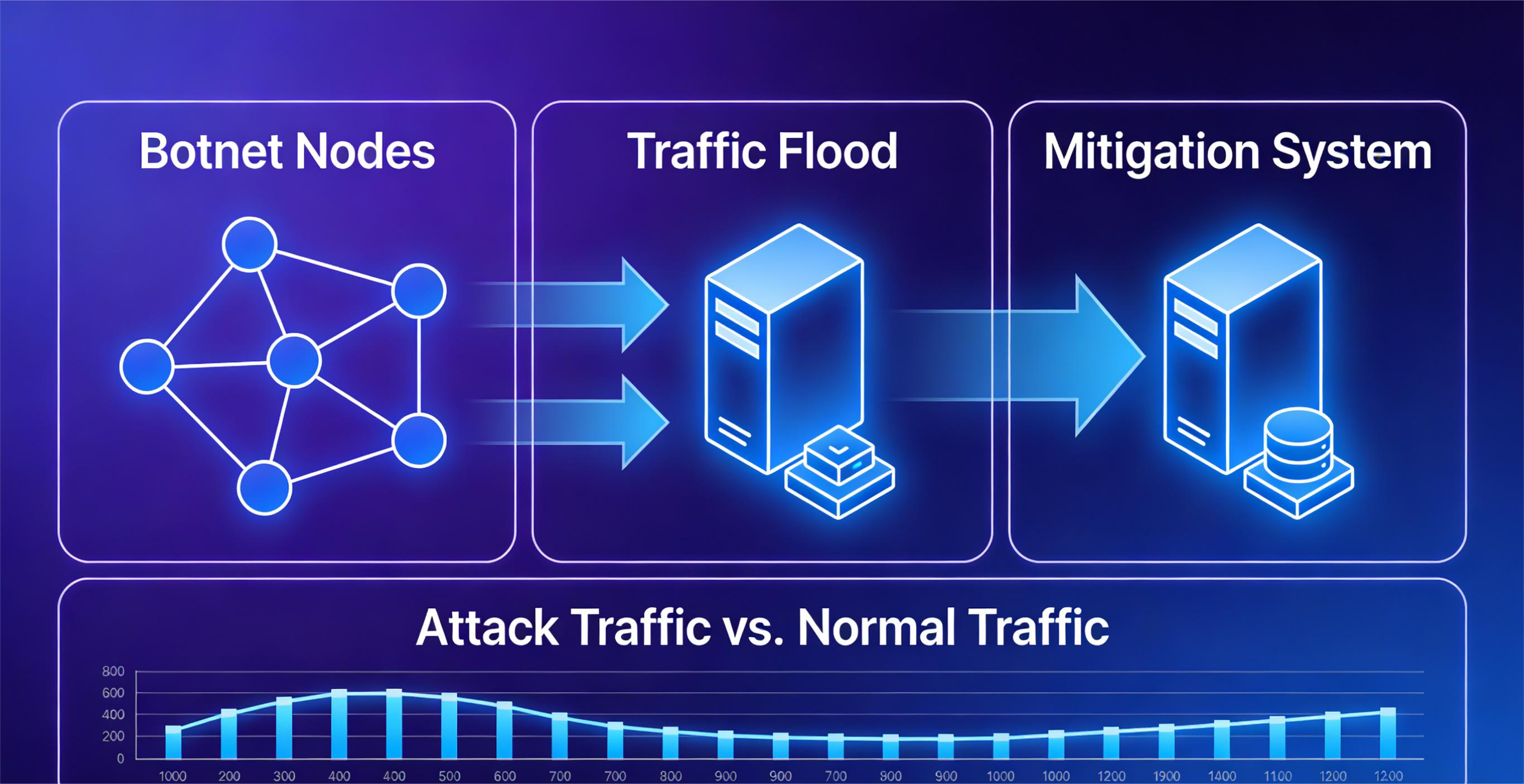
Why? Because attack traffic is often measured in: 10Gbps, 50Gbps, or even 100Gbps+
Meanwhile, a standard server's bandwidth is usually: 10Mbps, 50Mbps, 100Mbps
It's like trying to stop a flood with a garden hose. So, the only truly effective solution is this: Stop the traffic before it reaches your server.
3. The solution that actually works: Anti-DDoS CDN
Most websites today rely on the same core protection strategy: An Anti-DDoS CDN.
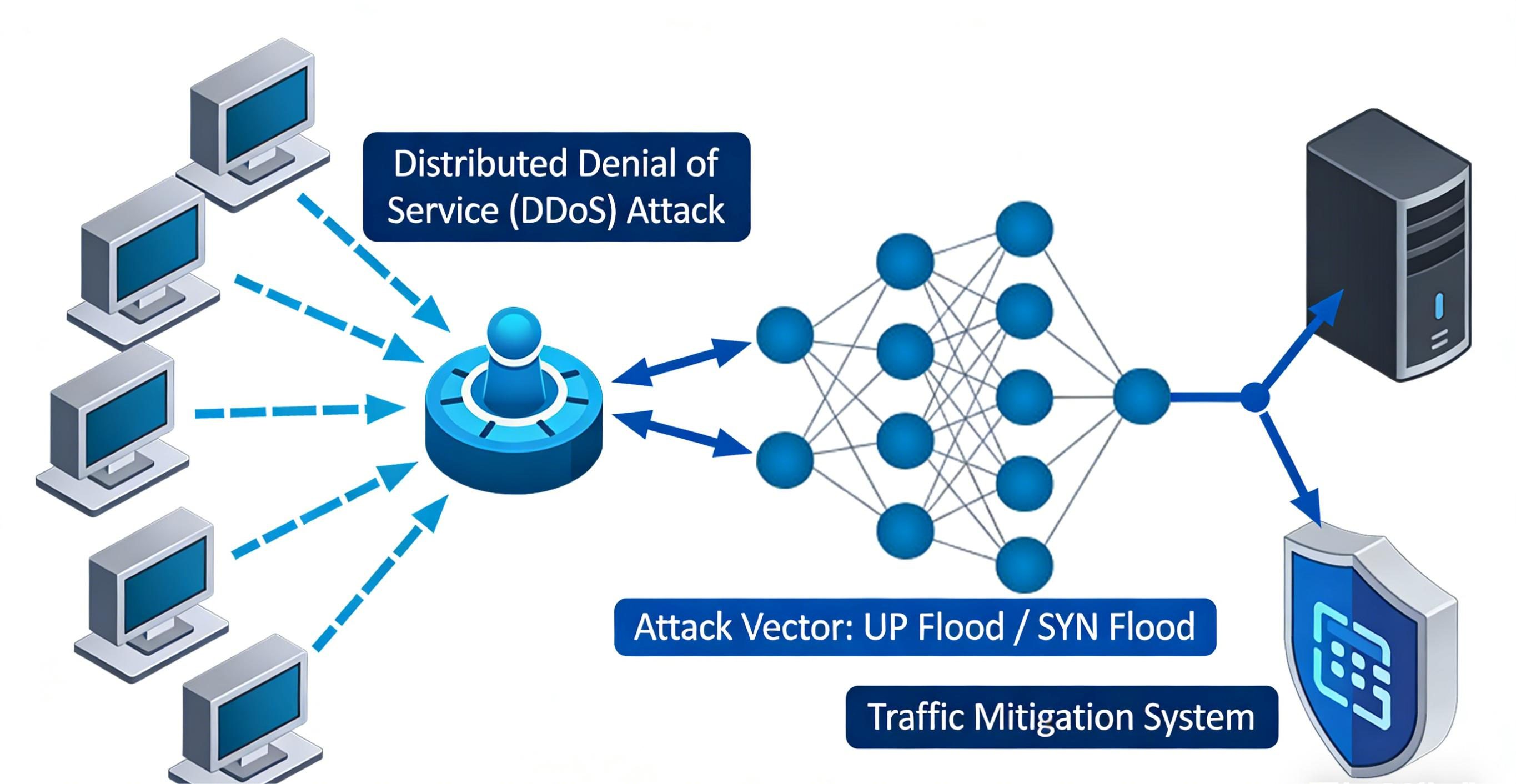
Here’s how it works: User Request → CDN Node → Your Server
The attack traffic hits the CDN node first, where it gets scrubbed and filtered. Only legitimate user requests make it through to your server. This way, your server doesn't get directly overwhelmed.
A popular setup many site owners use right now is connecting to a platform like CDN07, a type of high-defense CDN. The key advantage of this setup is: the attack never directly hits your server.
4. Tailored Protection Strategies for Different Sites
Different types of websites need slightly different protection strategies.
Here’s a quick look at a few common industries.
1. Cross-Border E-commerce Sites
For cross-border e-commerce, the biggest fear isn't really the attack itself, but the consequence: the site going down.
If users can't access the site, they simply leave and buy elsewhere. So, the focus for e-commerce protection is on: stability, global node acceleration for fast loading anywhere, and strong DDoS filtering capacity.
General recommendation: Combine an overseas CDN with high-defense nodes.
Many e-commerce sites use options like CDN07, a no-ICP-license high-defense CDN.
The advantages are clear: global node network, strong protection, no need for ICP filing (备案), and quick setup.
2. Web3 Projects
Web3 projects are actually prime targets for attacks. Because they often involve: wallets, transactions, and tokens.
So, attacks are very frequent. Protection needs to focus on: high-defense IPs, web application firewalls (WAF), and API protection.
Many Web3 projects use: high-defense CDN combined with API rate limiting.
This combination significantly reduces the impact of an attack.
3. Gaming Platforms
The gaming industry typically faces: CC attacks.
These are attacks that flood the server with seemingly legitimate user requests.
The tricky part: these requests look like real user traffic, making them hard for standard firewalls to detect.
That's why gaming sites usually need: intelligent CC protection, behavior analysis, and request frequency limiting.
Many advanced anti-DDoS CDN platforms now have these features built-in.
5. A Complete DDoS Protection Architecture
For more critical websites, I usually recommend a full, layered architecture: Layer 1: CDN Protection
Handles: DDoS traffic scrubbing, CC attack mitigation, and network acceleration.
For example, integrating with a high-defense CDN network like CDN07.
Layer 2: WAF (Web Application Firewall)
Handles: SQL injection attempts, XSS attacks, and blocking malicious bots/crawlers.
Layer 3: Server-Level Security
Includes: restricting open ports, preventing brute-force login attempts, and API rate limiting.
This three-layer structure can stop the vast majority of attacks.

6. A Factor Many Site Owners Overlook
Most people only focus on: Protection capacity.
But there's another equally important factor: Cost.
If you use some of the big international CDN providers, like:
Their protection is indeed very strong. But the pricing is often prohibitively high for many small to medium-sized sites. That's why more and more site owners are now looking for: High-defense CDN + reasonable pricing.
This is exactly why services like CDN07 are becoming increasingly popular.
7. Don't Wait Until You're Hit to Set Up Protection
A lot of people have this misconception: If I haven't been attacked, I don't need protection.
But the reality is: Attacks often happen out of the blue.
By the time your site is down and you're scrambling to deploy protection, it's usually too late to prevent the damage.
This is especially critical for: e-commerce sites, gaming platforms, and Web3 projects.
It's best to have your CDN + security architecture in place from the very beginning, even during the initial launch phase.
That way, even if an attack comes, your site keeps running smoothly.
There's a pattern on the internet: The more profitable your site, the more likely you are to be attacked.
So, experienced site owners know to do one thing right when their project launches: Set up DDoS protection.
And right now, the most mature and practical solution is simply: High-defense CDN with a global node architecture.
If your website falls into categories like: cross-border e-commerce, Web3, gaming, or API services
Then it's a smart move to get connected to a high-defense CDN protection network like CDN07 as early as possible.
Sometimes, having a stable, reliable website environment matters more than any marketing strategy.
Frequently Asked Questions
1. What is a DDoS attack?
A DDoS (Distributed Denial of Service) attack is a type of cyberattack where a server is flooded with malicious requests, overwhelming its resources and making it impossible for legitimate users to access the website. Attackers use networks of compromised devices to send this flood of traffic, eventually consuming all bandwidth or crashing the server.
2. How long does a DDoS attack usually last?
There's no set time limit. Some attacks might only last a few minutes, while others can persist for hours or even days.
For highly competitive industries, such as:
- Cross-border e-commerce
- Web3 platforms
- Gaming services
Attacks often last longer, which is why many site owners proactively deploy high-defense CDN solutions.
3. Can a regular server defend against DDoS attacks?
Standard servers usually can't handle large-scale DDoS attacks.
The main reason is that server bandwidth is typically limited to:
- 10Mbps
- 50Mbps
- 100Mbps
While DDoS attack traffic can easily reach:
- 10Gbps
- 50Gbps
- Or even over 100Gbps
That's why most websites rely on an anti-DDoS CDN, like CDN07, which has the infrastructure to scrub and absorb that traffic.
4. Why can a CDN defend against DDoS attacks?
A CDN helps mitigate DDoS attacks because user traffic hits the CDN's distributed network of nodes first, not your origin server directly.
When attack traffic reaches the CDN, it passes through:
- Traffic scrubbing centers
- Behavior analysis systems
- Firewall filters
Only requests identified as legitimate are forwarded to your origin server.
5. What's the difference between a standard CDN and a high-defense CDN?
A standard CDN is mainly used for:
- Website acceleration (caching content closer to users)
- Caching static resources (images, CSS, etc.)
A high-defense CDN includes all of that, but adds crucial security layers:
- DDoS mitigation
- CC attack protection
- Web Application Firewall (WAF)
- Advanced traffic scrubbing capabilities
So for sites that are frequent targets, a high-defense CDN is the better choice.
6. Why are cross-border websites more susceptible to DDoS attacks?
Cross-border sites often share these characteristics:
- They serve users from multiple countries
- They handle significant amounts of traffic
- They have high commercial value
This makes them attractive targets. Many cross-border projects deploy global CDN networks with strong protection, like CDN07, which offers both international reach and high-defense capabilities.
7. How can Web3 projects defend against DDoS attacks?
Web3 projects typically use a multi-layered security approach, including:
- High-defense CDN
- API rate limiting
- Web Application Firewall (WAF)
- Strict server access controls
This layered defense significantly reduces the potential impact of an attack.
8. Is DDoS protection expensive?
The cost depends on the size and needs of your website. For small to medium-sized sites, using a high-defense CDN is often the most cost-effective option, as it avoids the need for expensive, dedicated on-premise hardware.
Many site owners choose CDN providers like CDN07 to manage overall costs while getting enterprise-grade protection.
9. If my site hasn't been attacked, do I still need DDoS protection?
It's highly recommended to set it up in advance. Attacks often happen suddenly and without warning. Waiting until you're under attack means you'll likely face significant downtime and business loss while scrambling to implement protection.
10. How do I choose a reliable DDoS protection provider?
When evaluating DDoS protection services, focus on these key factors:
- Protection capacity (how many Gbps of attack traffic can they handle?)
- Number of nodes and geographic coverage
- Quality of network lines (latency, stability)
- Speed and availability of technical support
A stable CDN platform will typically offer a combination of global nodes, robust high-defense capabilities, and comprehensive security policy management.
Share this post:
Related Posts

How to Choose a DDoS-Protected CDN for Mainland China: Speed and Security Guide
How can websites hosted overseas improve access from Mainland China without compromising DDoS protec...

What to Do When Your Website Is Slow: A Practical Guide to Troubleshooting DNS, TTFB, and Resource Loading
Why is your website slow to load? This guide walks through DNS resolution, connection setup, TTFB, i...

Why Online Card and Board Games Need an SDK-Based Game Shield for DDoS Protection
Online card and board games face persistent security risks, including DDoS attacks, HTTP floods, che...