

Game & Mobile App Protection: High-Defense SDK Game Shield Complete Solution
Many game developers face the same issue: once your game starts gaining traction, attacks begin. From lag and disconnections to full server crashes, DDoS and malicious traffic can severely impact operations. A high-defense SDK game shield is not just protection—it’s a complete solution combining origin IP masking, traffic filtering, and global acceleration. This guide explains how it works, how to

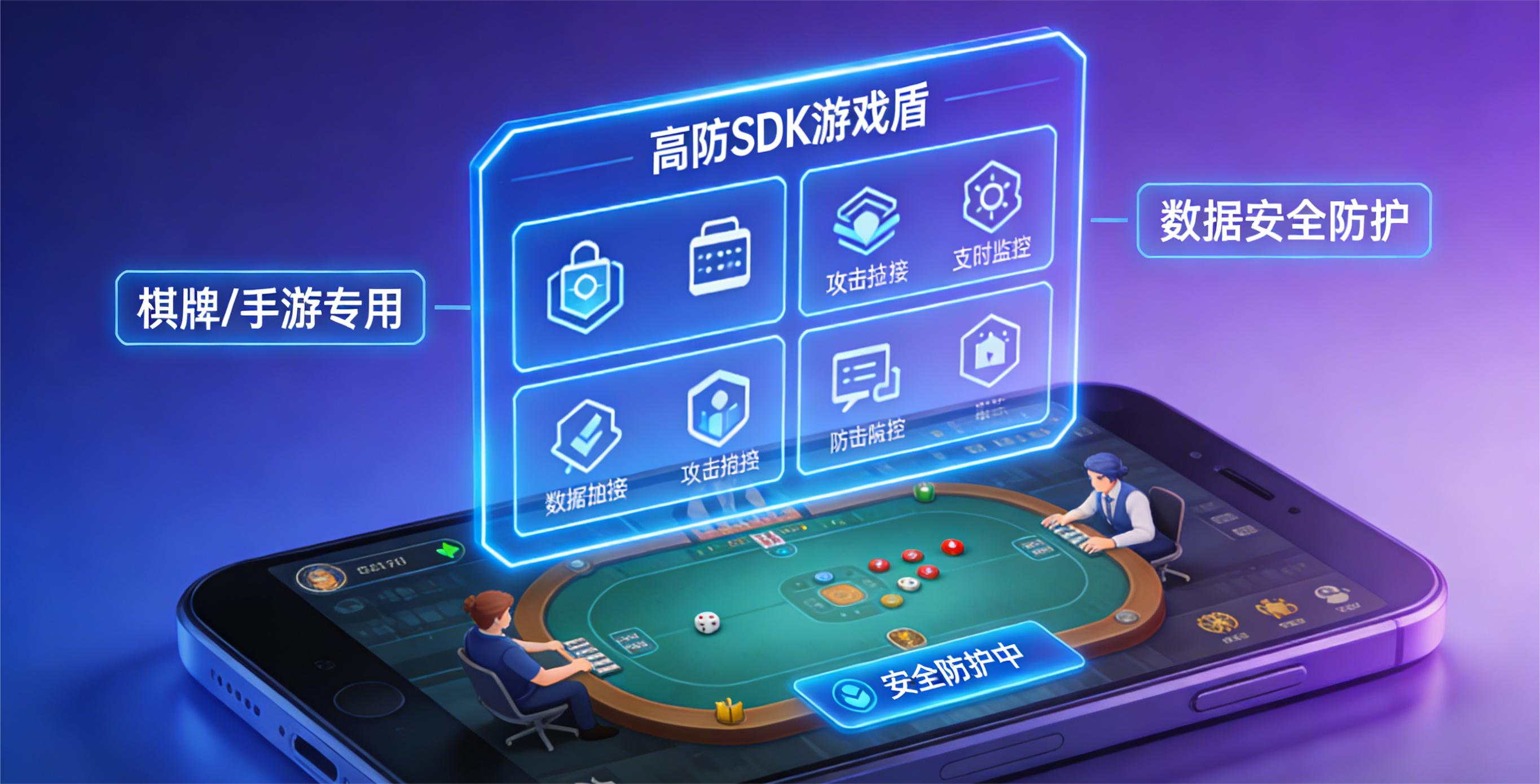
If you’ve ever run a game, you already know this: the biggest risk isn’t having no users—it’s getting attacked the moment your game starts growing.
Especially in competitive niches like online games, casual apps, or overseas markets, there’s one reality most teams eventually face: it’s not about whether you need high-defense protection—it’s about when you’ll be forced to use it.
I’ve seen countless projects run perfectly fine on standard servers in the early stages, but once monetization kicks in—real players, real matches, real revenue—the attacks begin.
At that point, most teams instinctively try:
- Switching to high-defense servers
- Using protected IPs
- Putting a standard CDN in front
The result is usually the same: it may hold temporarily, but it’s unstable—especially for games that rely on persistent connections, where disconnects happen easily.
That’s when people finally start looking into a real solution: High-Defense SDK Game Shield.
3. What is a High-Defense SDK Game Shield?
In simple terms: a game shield is a protection system specifically designed for game protocols.
The key difference from traditional CDNs is:
- Not limited to HTTP protection
- Supports TCP / UDP / custom protocols
- Can be embedded directly into the client (SDK)
- Completely hides the real server IP
You can think of it like this: instead of blocking attacks in front of your server, it hides your server entirely.
4. Why Games Must Use a Game Shield
The gaming industry has a few obvious traits: high competition, frequent attacks, and in many cases, targeted disruption from competitors.
So the real question isn’t “if” you’ll be attacked—it’s when, by whom, and how aggressively.
1. Games rely on persistent connections—standard CDNs don’t work
Traditional CDNs like Cloudflare:
- Mainly handle HTTP/HTTPS traffic
- Not suitable for real-time gameplay
- Don’t support complex game protocols
Result: your website loads, but the game won’t connect—or players constantly disconnect.
2. Once your origin IP is exposed, you’re essentially unprotected
In many cases, the real issue isn’t weak defense—it’s that your IP has already been discovered.
Attackers simply bypass the CDN and hit your real server directly:
- SYN Flood
- UDP Flood
- CC attacks
At that point, even strong protection becomes useless.
3. Games are prime targets for targeted attacks
Games—especially competitive or monetized ones—have clear traits: high revenue visibility, strong player retention, and sensitivity to latency.
That makes the attacker’s goal very simple: not to take your site down, but to make your game unplayable.
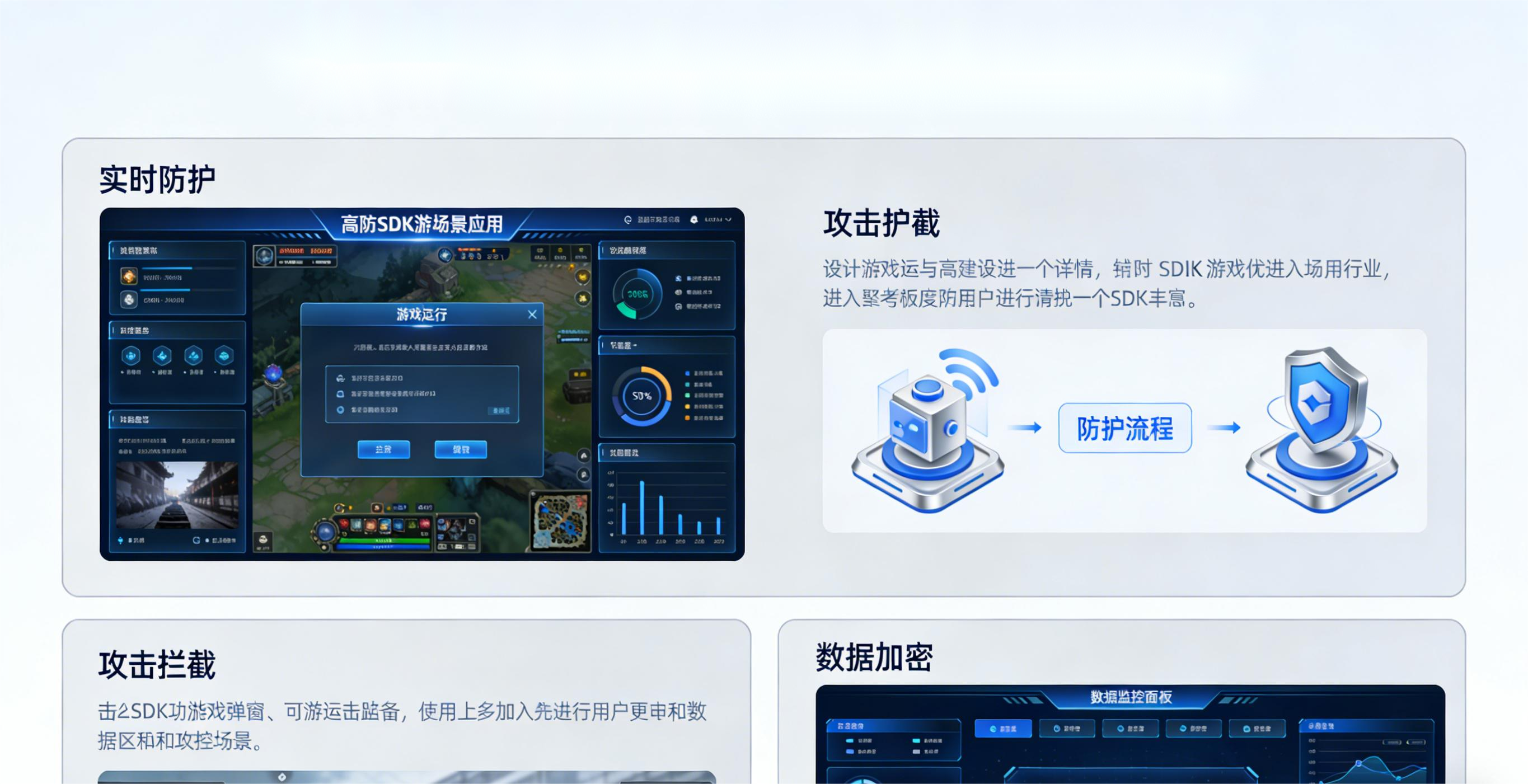
5. How the Game Shield Works
The core logic is actually straightforward.
Step 1: SDK Integration (Critical)
You embed the SDK into your client so that players no longer connect directly to your server.
Step 2: Global Node Routing
Traffic flow becomes: User → Shield Node → Filtering → Origin Server
- All attacks are stopped at the edge
- Origin IP is fully hidden
- Traffic is automatically distributed
Step 3: Traffic Filtering + Protocol Recognition
- Distinguishes real players from malicious traffic
- Supports TCP/UDP protocol analysis
- Detects and mitigates CC attack behavior
Unlike traditional defenses: it doesn’t rely on blunt IP blocking, which often harms real users.
6. Real-World Use Cases
Scenario 1: Game attacked right after launch
Solution: SDK integration + hidden origin + high-defense nodes → stability restored quickly
Scenario 2: Overseas game deployment
Problem: complex networks + distributed attack sources
Solution: global nodes + nearest access routing
Scenario 3: Frequent reports or takedowns
Use a combination of anti-abuse CDN + game shield for both domain-level and network-level protection
7. Game Shield vs Traditional Solutions
| Solution | Game Attack Protection | IP Hidden | Stability |
|---|---|---|---|
| High-defense server | Average | ❌ | Medium |
| High-defense IP | Average | ❌ | Medium |
| Standard CDN | No | ✅ | Low |
| Game Shield SDK | ✅ | ✅ | High |
In short: any defense that doesn’t hide your origin is just delaying failure.
8. What to Look for When Choosing a Game Shield
Don’t judge based on price alone—this industry has plenty of traps.
1. TCP/UDP Support
If it only supports HTTP, skip it.
2. Node Quality (not quantity)
More nodes doesn’t mean better—real defense capability matters.
3. Latency Control
High protection → higher latency → player loss
Low latency → weaker protection → vulnerable to attacks
Balance is key.
4. USDT Payment Support
Important for anonymity and cross-border operations
9. The Honest Truth
If you’re running a game, here’s the reality: waiting until you’re under attack is already too late.
High-defense SDK game shields are not optional—they are core infrastructure for your business.
10. FAQ
1. What’s the difference between a game shield and a CDN?
Game shields support TCP/UDP and persistent connections, while CDNs mainly handle HTTP acceleration.
2. Will it increase latency?
Slightly, but usually within 10–30ms.
3. Is it required for games?
Not always—but once revenue and competition exist, it becomes standard.
4. How much attack can it handle?
Depends on provider, typically from tens of Gbps to Tbps-level protection.
5. Can it stop CC attacks?
Yes, and more accurately than traditional CDNs.
6. Is SDK integration complicated?
No, usually takes around 30 minutes with documentation and support.
7. Do overseas games need it?
Even more so—due to complex networks and diverse attack sources.
If you’re currently facing:
- Frequent disconnections
- Player complaints about lag
- Server attacks
- IP exposure
Then you don’t need to overthink it—you’ve already reached the stage where a game shield is necessary.
You can check this solution directly: https://www.cdn07.com/services/app-protection
Share this post:
Related Posts
Which Websites Are a Good Fit for CDN07's DDoS-Protected CDN, and How Does It Compare with Cloudflare?
Compare CDN07 and Cloudflare for websites serving users in Mainland China, including connectivity, D...
How Much Does a DDoS-Protected CDN Cost per Month? Plans, Legitimate Traffic, and Additional Charges
The monthly cost of a DDoS-protected CDN depends on the plan allowance, legitimate traffic usage, pr...
How to Choose a DDoS-Protected CDN: Workloads, Network Connectivity, and Protection
Choosing a DDoS-protected CDN takes more than comparing mitigation capacity and monthly price. This...