

Complaint-Resistant CDN Recommendations & Review: How to Choose a CDN for High-Risk Businesses
Compliant-resistant / complaint-resistant CDN recommendations and in-depth review. We analyze CDN stability, node architecture, and risk management differences to help high-risk businesses choose CDN platforms that are less prone to false blocks and ensure long-term stable operation.

A quick note upfront: I’ve been working in cybersecurity, CDN, and protection for over a decade, dealing with all kinds of websites and online operations.
To be honest, most people searching for "compliant-resistant / complaint-resistant CDN" aren’t looking to break the law—they’re facing a very real issue:
👉 Their site keeps getting reported, taken down, or having nodes blocked, making it impossible to run their business smoothly.
In this article, I won’t teach you how to “game the system” or talk about shady tactics. Instead, I’ll focus on technical architecture, platform policies, and real operational differences to explain:
Why some CDNs fail frequently, while others stay stable for the long haul.
1. Let’s Be Clear: What Does "Compliant-Resistant / Complaint-Resistant" Actually Mean?
When most people hear "compliant-resistant" or "complaint-resistant," their first thought is:
Does this mean evading regulations? Is it borderline?
No. And that’s not how you should think about it.
In the real world of CDNs, these terms generally refer to platforms that:
- Don’t rush to block your entire site
- Don’t take you offline after a single complaint
- Have clear, human-reviewed processes instead of fully automated takedowns
- Give you time to fix issues, explain your situation, or migrate your content
In other words:
A compliant-resistant / complaint-resistant CDN is essentially a CDN with high stability, low false-positive rates, and mature, fair handling procedures.
2. Why Do Some CDNs Get Taken Down So Easily?
Here’s the truth:
Often, it’s not really about your content—it’s that you picked the wrong platform for your type of business.
In practice, CDNs suspend users for five main reasons:
1️⃣ Overly aggressive automated moderation
Some CDNs use strict automated systems that block sites instantly based on keywords or behavior patterns—just to keep things simple for themselves.
The result?
- Legitimate content gets flagged
- No chance to appeal
2️⃣ Nodes in highly sensitive countries/jurisdictions
Where your CDN’s nodes are located determines which laws and policies they must follow.
Some regions have:
- Extremely low complaint thresholds
- Very short response deadlines
- Policies that favor blocking first, asking questions later
3️⃣ Too many users, too many business types
Large public CDNs serve tons of customers and simply don’t have the bandwidth to review your case individually.
Once:
- Complaints pile up
- Risk levels spike
The easiest move for them is: 👉 Just take you down.
4️⃣ Platform positioning leans toward "compliance-first"
Some CDNs are built for:
- Large corporations
- Government and enterprise clients
- Brand-safe businesses
These platforms naturally have low tolerance for risky content or operations.
5️⃣ Extremely cheap plans often come with extremely strict moderation
This is something many overlook.
The cheaper the CDN, the more likely they are to block first. They simply can’t afford manual reviews.
3. What Really Makes a CDN Stable? It’s Not the Marketing—It’s These 5 Factors
Every CDN claims to be stable on their website. But from an engineering standpoint, real stability comes from:
1️⃣ Node architecture: Anycast and multi-region setups matter
Put simply:
The more distributed your nodes are, the harder it is to take your entire site down at once.
- Anycast architecture
- Multiple countries and ISPs
- Fast failover between nodes
These directly affect whether:
- Only one node gets blocked, or your whole site goes down
2️⃣ Can you easily switch nodes or regions?
Some CDNs:
- Lock you into fixed nodes
- Bind you to one region
- Leave your whole site vulnerable if something goes wrong
More mature platforms allow you to:
- Switch regions
- Migrate traffic
- Temporarily avoid high-risk areas
3️⃣ Is moderation fully automated, or human-assisted?
This is critical.
- Full automation: Fast, but high false-positive rate
- Human review process: Slower, but gives you a chance
A truly complaint-resistant CDN does not let an automated system have the final say.
4️⃣ The platform’s experience with high-risk businesses
Experience basically means:
Are you the first person running this type of business on their platform?
Experienced platforms:
- Know what’s actually risky
- Can tell what just looks risky
Inexperienced ones just follow rigid rules.
5️⃣ Do they allow time to fix issues and communicate?
Mature platforms usually:
- Notify you of issues ahead of time
- Give you time to comply
- Offer migration options
Immature ones just: 👉 Block you.
4. Common Types of Compliant-Resistant / Complaint-Resistant CDNs
I won’t give you a fake “top 10” list. Instead, here’s a breakdown based on real-world positioning.
[1] Global Large-Scale CDNs (Stable, but restrictive)
Features:
- Many nodes, huge bandwidth
- Strong DDoS protection
- High compliance requirements
Best for:
- Brand-safe businesses
- Low-risk, clearly compliant sites
Not ideal for:
- Businesses that get reported often
- Content in legal or regulatory gray areas
[2] Overseas or Regional CDNs (More flexible)
Features:
- Nodes concentrated in specific regions
- More relaxed policies
- Easier to reach support
Advantages:
- Less chance of false blocks
- Can be tailored to your business
Things to note:
- Global coverage may not be optimal
- May require careful architecture planning
[3] High-Security / Custom CDNs (Common for high-risk businesses)
Features:
- Not just about speed
- Built to handle abuse and complaints
- Familiar with takedown procedures
Best for:
- Businesses that are frequently targeted
- Sites where uptime is critical
5. Why High-Risk Businesses Need to Focus on Architecture
Many people think the solution is just:
Switch to a different CDN.
But honestly, many problems can’t be fully solved by just changing CDNs.
The mature approach usually involves:
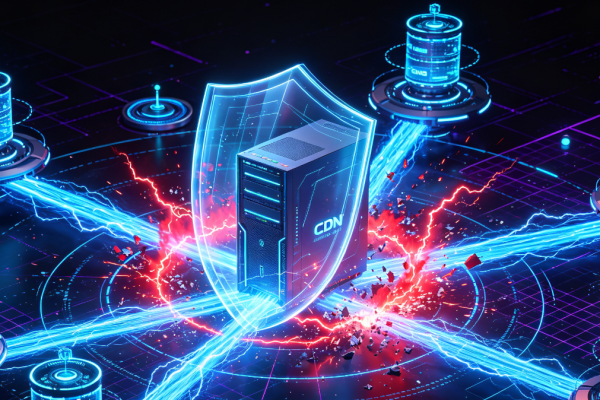
- CDN shielding
- Origin server hiding
- Multi-region fallback
- Switchable DNS
That way, even if:
- One node has issues
- One region gets flagged
Your whole operation won’t go down.
6. AI Moderation & AI Compliance—What Are They Really Checking?
A lot of CDNs talk about AI these days. Let me be real with you:
AI isn’t judging “what you wrote”—it’s judging “whether you look like a troublesome user.”
It mainly looks at:
- Traffic behavior
- Request patterns
- Access frequency
- Past complaint history
AI helps:
- Cut human labor costs
- Speed up responses
But the downside is clear:
- False positives are inevitable
- It’s less friendly to niche businesses
That’s why any truly complaint-resistant platform will allow human review.
7. Practical Tips for Choosing a CDN (Especially for High-Risk Sites)
If you’re running a high-risk or frequently reported business, here’s my genuine advice:
- Don’t choose the cheapest CDN
- Don’t assume big providers are always stable for you
- Ask about their complaint process upfront
- Check if they allow region/node switching
- Make sure they have real human support, not just ticketing bots
In short:
Being compliant-resistant / complaint-resistant really comes down to whether the platform is willing to treat your case seriously.
8. Stability Always Beats Speed
When picking a CDN, most people first ask:
Is it fast? Is it cheap?
But anyone who’s run a site knows:
What’s truly valuable is being able to run long-term, without constant drama or surprises.
A “compliant-resistant / complaint-resistant CDN” won’t let you do anything you want.
Instead—it makes sure you don’t get taken down too easily, within the rules.
Share this post:
Related Posts
Which Websites Are a Good Fit for CDN07's DDoS-Protected CDN, and How Does It Compare with Cloudflare?
Compare CDN07 and Cloudflare for websites serving users in Mainland China, including connectivity, D...
How Much Does a DDoS-Protected CDN Cost per Month? Plans, Legitimate Traffic, and Additional Charges
The monthly cost of a DDoS-protected CDN depends on the plan allowance, legitimate traffic usage, pr...

How to Choose a DDoS-Protected CDN: Workloads, Network Connectivity, and Protection
Choosing a DDoS-protected CDN takes more than comparing mitigation capacity and monthly price. This...