

Anti-Blocking CDN & Anti-Censorship Architecture: Principles, Routing, Origin Hiding & Selection Guide
This article explains anti-blocking CDN architecture, routing strategies, origin cloaking, Anycast routing, and SNI obfuscation from an engineering perspective, with 5 recommended providers.

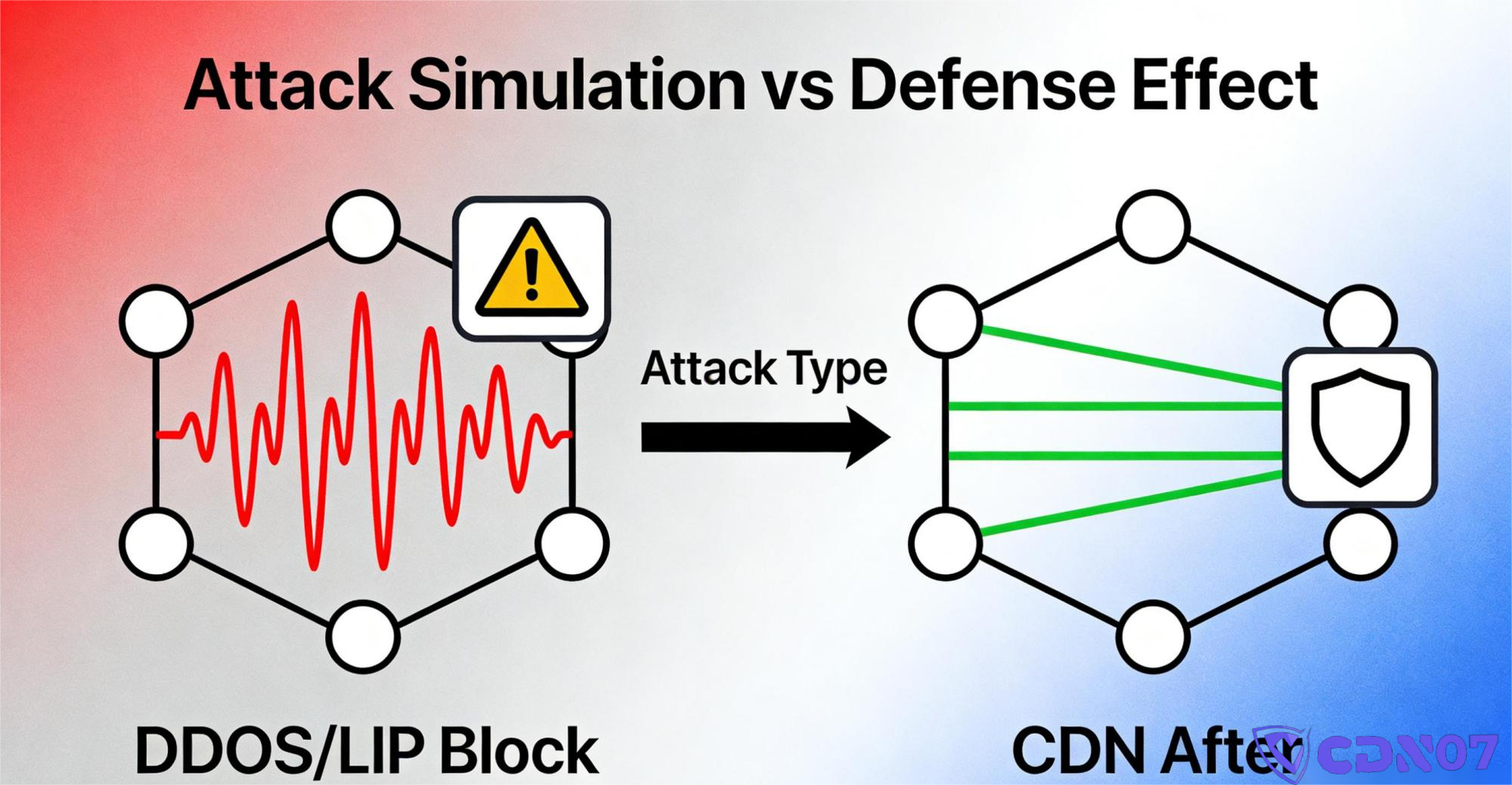
In an increasingly fragmented global internet landscape, cross-border services, access in politically sensitive regions, Web3/trading platforms, media sites, and privacy-focused products all face the same challenge:
Blocking and filtering are becoming more frequent—and more precise.
Traditional CDNs are great for speed, but they often fall short against ISP-level blocking, IP range bans, SNI-based filtering, keyword detection, DNS poisoning, URL pattern recognition, and protocol fingerprinting.
This is where "anti-blocking CDNs" or "anti-censorship CDNs" come in—a specialized tech niche.
Their goal is straightforward:
Keep websites accessible even when they’re targeted, blacklisted, detected, DPI-scanned, or regionally blocked.
This article breaks down the real tech behind anti-blocking CDNs—from core principles to architecture to selection criteria—cutting through the marketing fluff.
1. The Core Question: What Exactly Is Being Blocked?
To understand how to evade blocks, you first need to know what’s being targeted.
Different countries and ISPs use different methods, but they generally fall into these categories:
1) DNS-Level Blocking (DNS Poisoning/Interception)
- Hijacking DNS queries
- Returning false IPs
- Responding with NXDOMAIN
- Blocking by domain keywords
Countermeasures: DNS-over-HTTPS, hiding real domains, built-in relay DNS
2) IP-Level Blocking (IP Blacklisting)
- Entire IPv4/IPv6 ranges blocked
- ASN (Autonomous System) blacklisting
- All IPs from a certain cloud provider blocked
- Dedicated high-defense IP ranges banned
Countermeasures: Anycast with mixed origin pools, IP rotation, distributed ISP nodes
3) SNI-Based Blocking (TLS SNI Filtering)
Inspecting the SNI domain in the TLS ClientHello and dropping the connection if matched.
Countermeasures: Custom TLS, ECH (Encrypted Client Hello), Domain Fronting
4) URL / HTTP Layer Filtering
- Keyword filtering
- API route pattern matching
- JS, manifest, or CSS fingerprint detection
- Certain paths flagged as "sensitive content"
Countermeasures: Path encryption, reverse gateway obfuscation, reverse-proxy shielding
5) DPI (Deep Packet Inspection)
ISPs analyze traffic patterns, including protocol fingerprints, TLS fingerprints, traffic behavior, and usage patterns.
Countermeasures: Anti-DPI protocols, obfuscated proxies, TLS fingerprint spoofing
6) Traffic Behavior Blacklisting
Examples:
- Sudden traffic spikes to a specific site
- User behavior flagged as "violating site patterns"
- API behavior matching known blocklist databases
Countermeasures: Traffic dispersion, traffic randomization, behavior masking
2. Core Technical Stack of an Anti-Blocking CDN
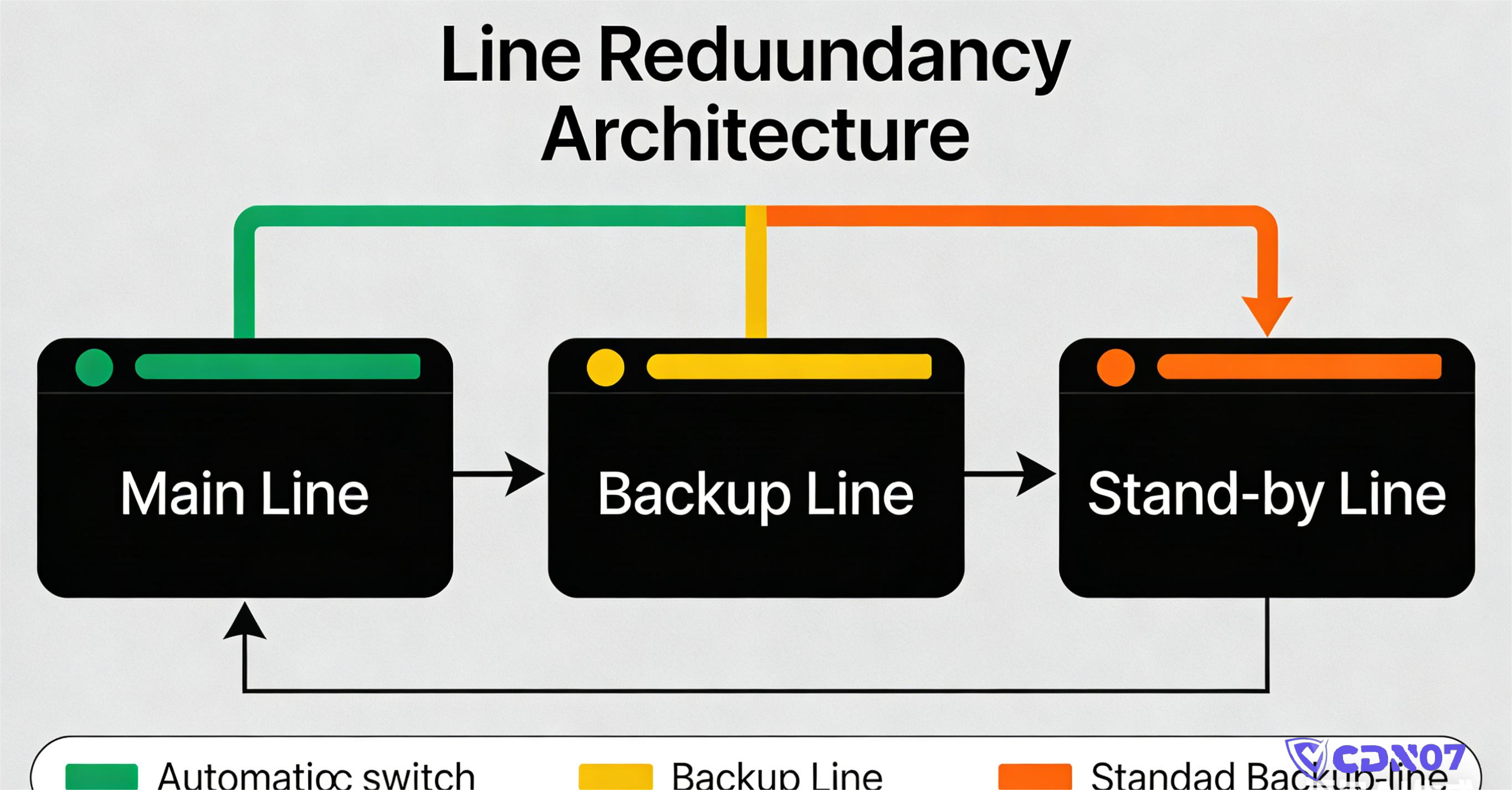
A truly effective anti-blocking CDN must incorporate the following stack—not just a random mix of features.
1. Multi-Entry Nodes (Multi-Entry Ingress)
To avoid a single point of failure:
- Entry servers across multiple countries/regions
- Multiple ASNs (Autonomous Systems)
- Multiple ISPs (China Mobile, PCCW, Telstra, NTT, Cogent, etc.)
- Large, distributed IP pools
The more dispersed the entry points, the harder it is to block them all at once.
2. Distributed Anycast (Hybrid Full-Anycast + Partial Anycast)
Basic Anycast isn’t enough. You need:
Full Anycast
- All global nodes share a logical IP
- BGP automatically routes to the nearest node
- If one node is blocked, others remain available
Partial Anycast
- Different IPs/ASNs in specific regions
- Spreads blocking risk
- Allows quick route switching based on block events
This architecture is highly effective against ISP-level blocking.
3. Origin Cloaking
The core idea: Never let attackers discover your origin server’s real IP.
Key techniques:
- Restrict origin access to the CDN’s private network only
- Mutual TLS (mTLS) for origin authentication
- No public exposure of the origin server
- Tunneled origin pulls (GRE / WireGuard / QUIC tunnels)
Without origin cloaking, anti-blocking claims are meaningless.
4. TLS & SNI Obfuscation
SNI is the most common block target—but also the easiest to hide.
Main techniques include:
- Encrypted Client Hello (ECH): Encrypts SNI
- Fake SNI (Domain Spoofing)
- Randomized TLS Fingerprint
- Cloudflare’s SNI Encryption (available in some regions)
The key to SNI obfuscation: The domain seen externally ≠ the actual domain being accessed.
5. Domain Fronting
This is a core technique for many anti-blocking CDNs.
Access a sensitive site → appear to be visiting a trusted, high-reputation website.
Example (technical illustration only):
Host: yourdomain.com
TLS SNI: cdn.google.com
Intermediate nodes forward the request to the real target, but blockers only see "Google."
Although some major cloud providers have restricted this method, self-hosted FrontingCDN solutions still support it.
6. Multi-Hop Transport Shield
Typical architecture:
User → Edge Node → Middle Hop (Proxy Mesh) → Origin Gateway → Origin Server
Advantages:
- Each hop hides the upstream real address
- If the first hop is blocked, alternative paths remain
- Behavior, protocol, and content can be rewritten at the hop layer
7. Protocol Obfuscation (Anti-DPI Obfuscation Protocol)
Includes but not limited to:
- QUIC fingerprint spoofing
- WebSocket over TLS obfuscation
- HTTP/2 prioritization pattern scrambling
- Shadowsocks/VMess/VLESS obfuscation (enterprise editions)
The goal: Make DPI unable to identify what you’re actually accessing.
8. Auto Relay Rotation
Automatic switching of IPs, ASNs, entry points, and hops.
When blocking occurs:
- Auto-switch routes
- Auto-scale capacity
- Auto-select the cleanest routes
This is an intelligent routing system, not just simple IP switching.
3. Typical Anti-Blocking CDN Architecture
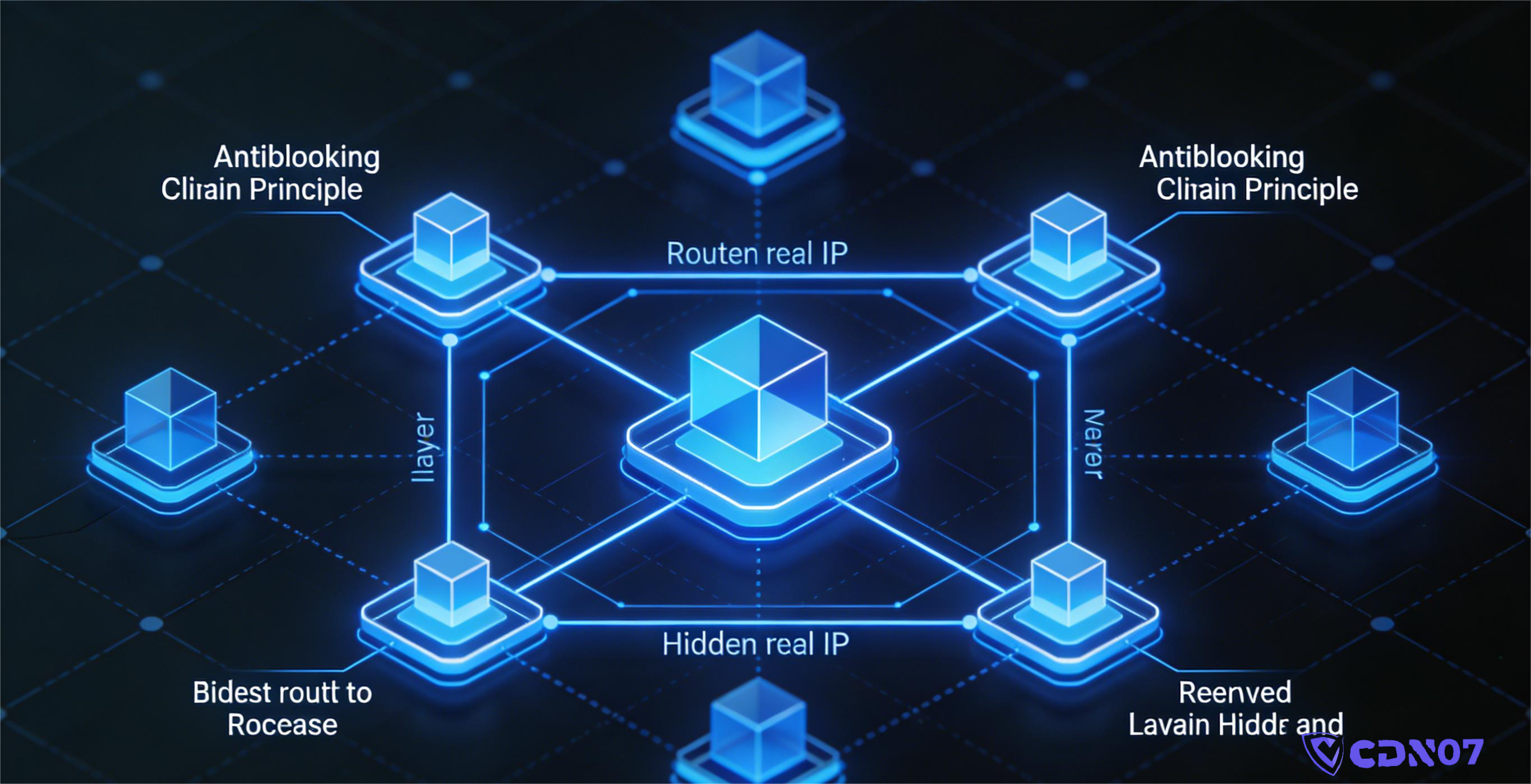
Here’s a practical, engineer-friendly architecture that actually works.
Architecture Diagram
User Request
↓
Entry Anycast Nodes (Multiple ASNs)
↓
Protocol Obfuscation Layer (TLS → Obfuscation + Fingerprint Randomization)
↓
Reverse Proxy Hop Layer (Proxy Mesh, Real Host Hidden)
↓
Origin Gateway (Internal Network Only)
↓
Encrypted Tunnel (GRE/WireGuard/QUIC)
↓
Real Origin Server (No Public Exposure)
Core Goals:
- No domain exposure (SNI/ECH/Fronting)
- No IP exposure (Anycast/Multi-Entry IPs/Multi-ASN)
- No traffic pattern exposure (Obfuscation + Anti-DPI)
- No origin exposure (Origin Cloaking)
- Resists ISP-level blocking (Route Randomization)
4. How to Choose a Truly Effective Anti-Blocking CDN
Here are the most practical selection criteria in the industry.
1. Does It Have Multiple ASNs? (Critical)
More ASNs = harder to block
If it only uses one ASN, it’s not really an anti-blocking CDN.
2. Does It Support SNI Obfuscation / ECH?
Without SNI obfuscation, you can’t beat TLS SNI blocking.
Key questions:
- Can it hide the real domain?
- Is TLS fingerprint customization available?
- Does it support Domain Fronting?
3. Does It Offer Origin Cloaking?
How to check:
- Can the origin server be closed to the public internet?
- Is access restricted to the CDN’s internal network?
- Does it provide tunneled origin pulls?
If your origin IP is scannable → it’s not an anti-blocking CDN.
4. Does It Offer Entry Rotation (IP Rotator)?
Signs of a quality anti-blocking CDN:
- One domain can be bound to dozens of entry nodes
- Automatic switch if one is blocked
- No user disruption
5. Does It Have a “Clean” Global Network?
Check:
- Does it avoid commonly blocked ASNs (e.g., low-cost clouds with abused IPs)
- Does it have dedicated lines / high-quality BGP in key regions
- Is there multi-region redundancy
6. Does It Include Anti-DPI, Obfuscation & Anti-Detection Tech?
If it only “swaps IPs,” it’s a pseudo anti-blocking service.
Real anti-blocking tech must include protocol obfuscation and behavior masking.
7. DDoS Mitigation & Defense Capabilities (Attack → Block → Fingerprint)
Blocked sites often face attacks—high-capacity scrubbing is a key plus.
5 Anti-Blocking / Anti-Censorship CDN Options
① CDN07 (Asia-Optimized Anti-Blocking)
Best for: China-facing access, Web3, trading platforms, e-commerce, cross-border SaaS
Features:
- Multi-ASN Anycast (multiple entry points, reduces bulk blocking risk)
- Enforced origin cloaking: GRE/WireGuard/QUIC tunnel support
- Custom TLS fingerprints + SNI obfuscation
- Overseas entry points: Hong Kong, Japan, Singapore, Europe (dual), US West, US East
- Auto entry rotation (anti-IP blacklist)
- Large-scale DDoS scrubbing
- China-facing access optimized
Cons:
- Advanced features need professional setup—best for engineering teams
- Content restrictions apply (higher abuse risk)
Ideal for:
Cross-border services, sensitive region access, Web3 wallets/market data/APIs, media sites, frequently blocked services.
② Gcore (High Node Density + Multi-Strategy Anti-Blocking)
Features:
- Strong presence in Eastern Europe, Russia, Central Asia, Middle East
- Multi-ASN, multi-node
- Private origin network for server hiding
- Own global backbone (Tier-1 level)
- DNS + CDN integrated (strong against DNS poisoning)
Cons:
- Slow support response, longer engineering integration
- Some regional IPs prone to blacklisting
Ideal for:
News media, global operations, blockchain platforms, teams needing specific regional nodes.
③ Cloudflare (Largest Global Network, Strong Anti-SNI, But Fronting Restricted)
Features:
- Largest global node count, strongest Anycast capabilities
- ECH (SNI encryption) rolling out gradually
- "Spectrum" hides real TCP/UDP origins
- Powerful WAF + behavioral models
- Strong against large-scale DPI blocking
Cons:
- Domain Fronting prohibited
- Cloudflare IP ranges often blocked in some countries
- China-facing speed and stability inconsistent
Ideal for:
Global user access, enterprise services, SaaS, edge computing—sites needing high access quality.
④ Fastly (High-End Performance, Best H2/H3, Strong Anti-Detection)
Features:
- High-speed edge network, excellent HTTP/2 & HTTP/3 performance
- Advanced Edge Compute for custom anti-blocking rules
- High-quality multi-region entry routes
- TLS stack allows obfuscation and fingerprint spoofing
Cons:
- Expensive
- Requires engineering expertise to maximize
- Fewer nodes than Cloudflare (but higher quality)
Ideal for:
API platforms, real-time systems, services demanding top performance and detection resistance.
⑤ StackPath (North America/Europe Friendly, Custom Network Policies)
Features:
- Compact, effective anti-censorship CDN for NA/EU
- Strong origin cloaking
- Good for APIs, edge acceleration, light anti-detection
- Flexible custom edge rules
Cons:
- Limited node scale
- Average performance in Asia
- Advanced anti-blocking requires extra configuration
Ideal for: Sites with primary traffic in North America expanding globally, small/medium teams needing cross-region access.
Comparison Table: 5 Anti-Blocking CDNs
Engineering-focused rating (out of 10), not commercial scoring.
| Feature | CDN07 | Gcore | Cloudflare | Fastly | StackPath |
|---|---|---|---|---|---|
| Multi-ASN Distribution | 9 | 8 | 7 | 6 | 5 |
| Anycast Global Acceleration | 8 | 8 | 10 | 8 | 7 |
| Origin Cloaking Capability | 10 | 9 | 8 | 7 | 7 |
| SNI Obfuscation / ECH Support | 9 | 8 | 10 (rolling out) | 8 | 6 |
| Domain Fronting Support | 9 | 8 | 0 (restricted) | 3 | 2 |
| Anti-DPI Traffic Obfuscation | 9 | 8 | 7 | 6 | 6 |
| Entry IP Rotation / Auto-Switch | 10 | 8 | 7 | 6 | 6 |
| Node "Cleanliness" / Anti-Blacklist Ability | 9 | 7 | 8 | 9 | 7 |
| China-Facing Access Quality | 9 | 6 | 5 | 4 | 3 |
| Large-Scale DDoS Scrubbing | 9 | 8 | 10 | 7 | 6 |
| Customization (Scripts/Rules) | 8 | 7 | 10 | 10 | 7 |
| Cost Efficiency | 9 | 8 | 6 | 4 | 8 |
Summary:
- Overall Best Anti-Blocking: CDN07 (especially for Asia & China-facing)
- Global & Compliance-Friendly: Cloudflare / Gcore
- High-End Performance: Fastly
- North America Focused: StackPath
6. A Real Anti-Blocking CDN Is an Engineering System, Not a Feature
In a nutshell:
A truly effective anti-blocking CDN is a complete network system combining: distributed entry points + protocol obfuscation + fronting disguise + origin cloaking + DPI resistance + DDoS scrubbing + auto-routing.
It doesn’t rely on a single trick—it ensures accessibility by being "invisible, untraceable, unbreakable, and fast to rotate."
FAQ:
1. What is an "Anti-Blocking CDN"?
An anti-blocking CDN is designed for sites prone to blocking, filtering, blacklisting, DNS poisoning, and IP bans.
It goes beyond acceleration to include:
- Origin cloaking
- Multi-entry routing
- SNI encryption
- Auto IP rotation
- Anti-DPI obfuscation
- Connectivity recovery
The goal is "hard to block, hard to disconnect, hard to trace, sustainably accessible."
2. What’s the Biggest Difference Between an Anti-Blocking CDN and a Regular CDN?
Regular CDNs focus on "fast."
Anti-blocking CDNs focus on "accessible at all."
Key differences include:
- ASN dispersion
- SNI obfuscation
- Tunneled origin pulls
- Protocol obfuscation
- Anycast anti-filtering
- Multi-hop forwarding
It’s a CDN built around accessibility as the core metric.
3. Are Anti-Blocking CDNs Illegal? Could They Get My Account Banned?
Legality depends on "user content."
Technically, the CDN only provides:
- Origin hiding
- Encrypted transport
- Multi-node access paths
That’s not illegal.
But if your site content violates local laws → it can still be blocked.
4. Can Anti-Blocking CDNs Defeat All Regional Blocks?
Nothing is 100% bulletproof.
But a good anti-blocking CDN aims to:
- Auto-switch if a single node is blocked
- Change ASN if one is blacklisted
- Encrypt SNI if SNI filtering occurs
- Rotate entry IPs if IPs are banned
- Hide origin if exposed
The end result:
"Can’t be fully blocked, can’t be fully traced, can’t be fully disconnected."
5. Does Using an Anti-Blocking CDN Slow Down Access?
Usually not.
Anti-blocking CDNs are inherently more distributed and often use:
- Anycast routing
- Nearby node access
- Multi-hop optimization
However, heavy obfuscation (like multi-layer proxies) may add slight latency.
6. Must Origin Servers Be Hidden with an Anti-Blocking CDN?
Strongly recommended.
If your origin is exposed:
- Attackers can bypass the CDN and block your IP directly
- Your real server can be scanned
- You’re vulnerable to TCP blocking attacks
- Your entire IP range could be blacklisted
Origin cloaking is mandatory for anti-blocking CDNs.
7. What Projects Are Best Suited for Anti-Blocking CDNs?
Typical use cases:
- Web3 / cryptocurrency sites
- Financial APIs
- Media platforms
- Trading tools
- Geopolitically sensitive content
- Cross-border SaaS
- Sites previously targeted for blocking
These are most likely to be blocked by ISPs or national firewalls.
8. Is It Necessary to Use Multiple CDNs for Redundancy?
Highly recommended:
"Primary CDN + Backup CDN + Emergency Access Plan"
Typical setup:
- Primary: Anycast + Multi-ASN
- Backup: Cloudflare / Fastly
- Emergency: Stealth domains / Tunnel access
This is common practice for large-scale operations.
Share this post:
Related Posts

How to Choose a DDoS-Protected CDN for Mainland China: Speed and Security Guide
How can websites hosted overseas improve access from Mainland China without compromising DDoS protec...

What to Do When Your Website Is Slow: A Practical Guide to Troubleshooting DNS, TTFB, and Resource Loading
Why is your website slow to load? This guide walks through DNS resolution, connection setup, TTFB, i...

Why Online Card and Board Games Need an SDK-Based Game Shield for DDoS Protection
Online card and board games face persistent security risks, including DDoS attacks, HTTP floods, che...