

The 2026 CDN Pricing Guide: How to Choose the Right Plan for Your Business
CDN pricing varies wildly, from free plans to premium DDoS-protected lines. Based on the 2026 market landscape, this guide breaks down how to choose a CDN for different business types—avoid overspending and steer clear of hidden pitfalls in cheap plans.

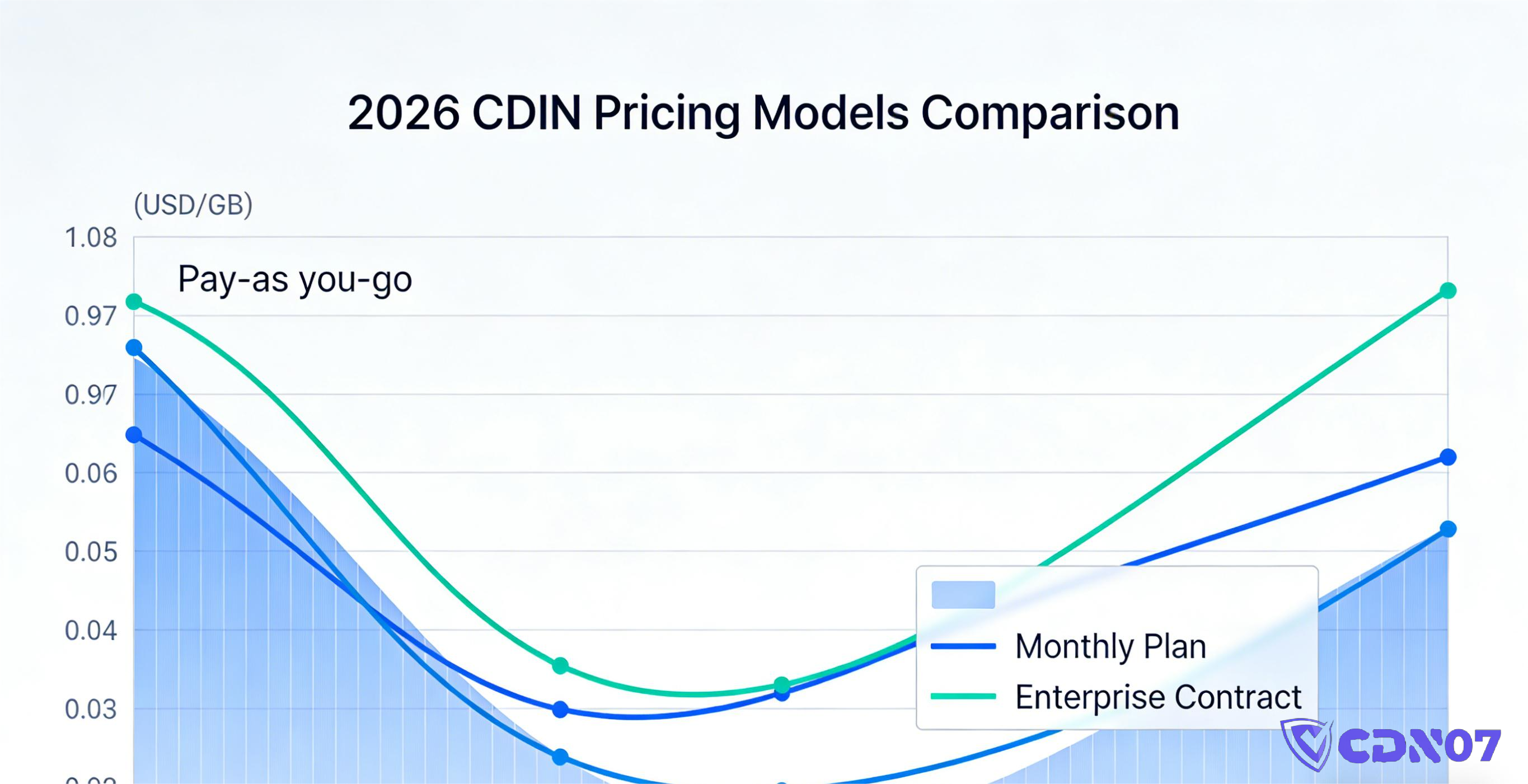
If you've ever seriously researched CDN pricing, you've probably felt this:
They're all called "CDN"...
Some say "free to use"
Some quote a few hundred per month
Some quote tens of thousands per yearWhat's the real cost? Am I getting ripped off?
With over a decade in cybersecurity, I've worked with everything from free CDNs and standard acceleration CDNs to DDoS-protected CDNs and enterprise-grade Anycast solutions. I've also seen too many site owners end up spending more in the long run due to misunderstanding the true price.
This article won't quote specific vendor prices. It focuses on one thing:
How is CDN pricing structured in 2026?
For different businesses, where should the money go?
Which costs are worth it, and which are guaranteed pitfalls?
Explained in plain language—no networking degree required.
1. Why 90% of People Choose the Wrong CDN From the Start
Let's be honest:
Most people choose a CDN based on a single number: the per-unit price.
For example:
- "This one is $0.05 / GB, seems cheap."
- "That one has unmetered monthly traffic, sounds great."
- "Let's just use a free CDN for now."
But the real cost of a CDN is never the number on the homepage.
What you actually pay for often hides in:
- Lag during peak evening hours
- Going offline during an attack
- Skyrocketing origin traffic costs
- Getting your IP or domain blocked
- Losing all your SEO ranking
These losses won't appear on your bill, but you end up paying for them all.
2. The Real Cost Structure of a CDN
Let's get one thing straight first:
CDN ≠ Resold Bandwidth
The cost of a proper CDN comes from at least five components.
1️⃣ Node Bandwidth Cost (The Foundation)
The closer and higher-quality the node is to the user, the more it costs.
- Standard Public Internet Bandwidth: Cheap, but congested.
- Optimized Routes / CN2: Expensive, but stable.
- Anycast Backbone: Very expensive.
2️⃣ Origin Traffic Cost (Often Overlooked)
For websites with low cache hit rates:
- Dynamic sites
- APIs
- Admin/backend systems
The real money-burner is origin traffic, not user visits.
3️⃣ Protection Resource Cost (The Big Ticket Item in 2026)
The major cost for CDNs today isn't bandwidth—it's:
- DDoS Scrubbing Capacity
- CC Attack & Behavioral Recognition
- AI-powered Traffic Analysis
- Fingerprint Database Maintenance
Free or cheap CDNs will cut corners here.
4️⃣ Routing & Traffic Management Cost
Staying stable during evening peaks depends on:
- Routing quality
- Traffic management systems
- Ability to bypass congestion
This cost directly determines whether your site "lags at night."
5️⃣ Operations & Support Cost (Hidden but Critical)
Is anyone monitoring during an attack? Can rules be fixed if they fail?
This is why "seemingly cheap" CDNs often end up costing the most.
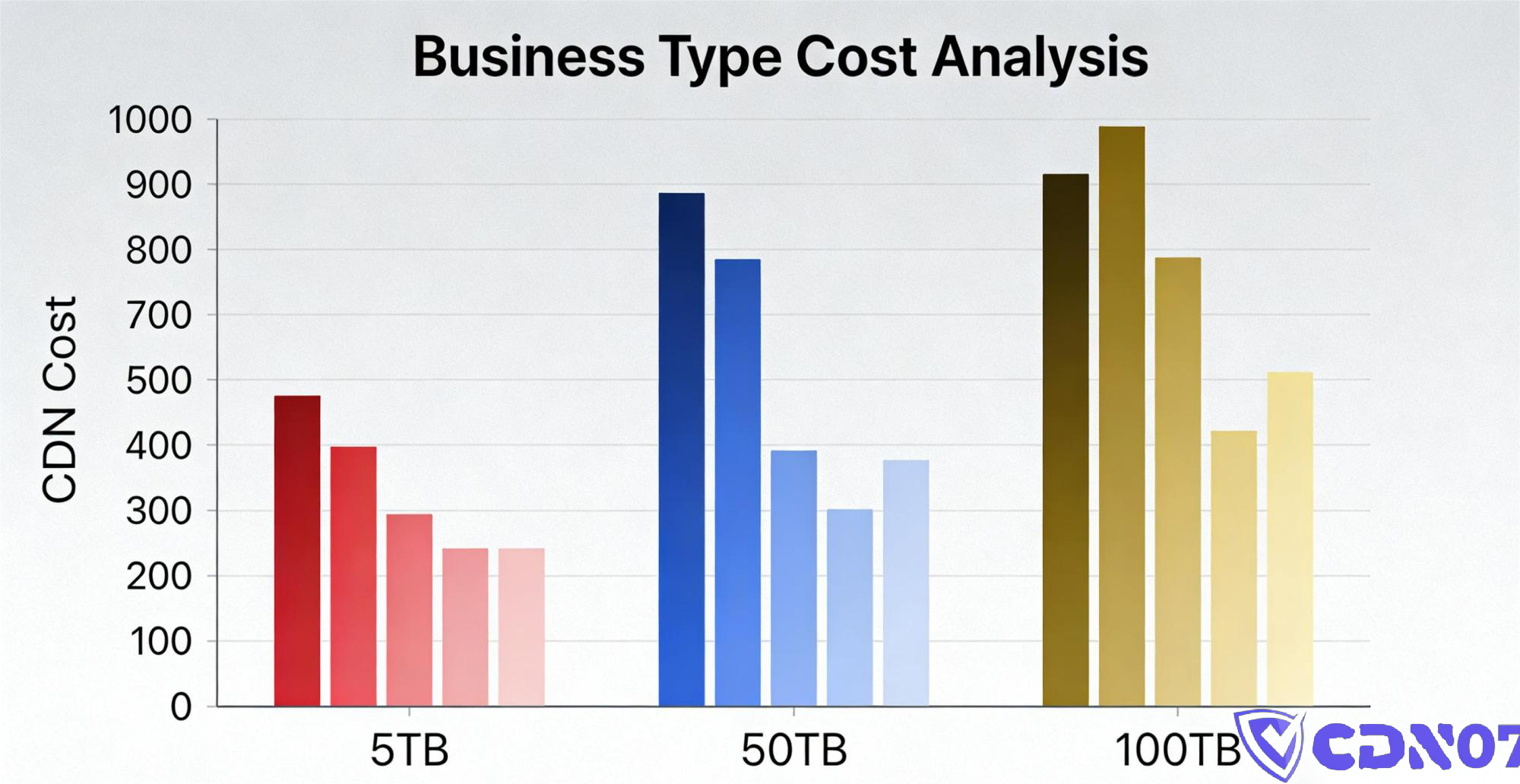
3. Main CDN Types & Price Ranges in 2026
Below are realistic market ranges, not advertised prices.
1️⃣ Free CDN
Price: $0
The characteristics are clear:
- Traffic limits
- Feature restrictions
- Limited protection
Suitable for:
✔ Personal blogs
✔ Test projects
✔ Low-value sites
Not suitable for any "serious business."
2️⃣ Standard Acceleration CDN (No DDoS Protection)
Price Range: Tens to Hundreds / Month
Characteristics:
- Improves access speed
- Basic caching
- Minimal attack resistance
Suitable for:
✔ Content/news sites
✔ Image galleries
✔ Sites with stable, predictable traffic
3️⃣ Overseas/CDN for Cross-Border Access
Price Range: Hundreds to Low Thousands / Month
Why is it more expensive?
- Cross-border network routes
- International node deployment
- High-quality origin fetch
Suitable for:
✔ E-commerce for export
✔ Independent online stores
✔ SaaS serving international users
4️⃣ DDoS-Protected CDN (Key Category)
Price Range: Thousands to Tens of Thousands / Month
Money is spent on:
- Scrubbing capacity
- Behavioral recognition
- Protection strategies
- Node redundancy
Suitable for:
✔ Frequently attacked websites
✔ Transaction sites / APIs
✔ High-risk businesses (e.g., crypto, gaming)
5️⃣ Enterprise-Grade Anycast CDN
Price Range: Custom Enterprise Pricing (Not Monthly)
Suitable for:
✔ Platform-level businesses
✔ Finance / Government / Enterprise
✔ Global high-concurrency systems
4. How to Spend Your Money Based on Business Type
📌 Content / News / Blog Sites
Characteristics:
- High traffic
- High cacheability
- Low attack risk
Recommendation:
- A standard CDN is sufficient.
- Avoid DDoS protection.
- Don't pay for "theoretical attacks."
📌 Image / File Download Sites
Characteristics:
- High bandwidth consumption
- Lightweight per-request
Recommendation:
- Focus on bandwidth price per GB.
- Look at node coverage.
- Protection is not the priority.
📌 Cross-Border E-commerce / Independent Stores
Characteristics:
- Conversion-rate sensitive
- Evening/peak hours are critical
Recommendation:
- Overseas CDN + stable routes.
- Don't chase the absolute lowest price.
- Prioritize stability and uptime.
📌 API / SaaS / Backend Systems
Characteristics:
- High origin traffic
- Sensitive to latency/jitter
Recommendation:
- Origin fetch quality is #1.
- CC attack protection is crucial.
- Eliminate free CDNs from consideration.
📌 Frequently Attacked Websites (Key Focus)
Characteristics:
- Frequent attacks
- Abnormal traffic patterns
Recommendation:
- DDoS-protected CDN is mandatory.
- Evaluate scrubbing strategy, not just "defense Tbps."
- Must support manual intervention during attacks.
5. Why "Cheap CDNs" Often Cost More in the End
I've seen three classic scenarios:
1️⃣ Goes Offline During an Attack
Cheap CDNs can't handle it.
One day of downtime can cost more than a year of CDN fees.
2️⃣ Gets IP / Domain Blocked
Lack of buffering and protection leads to upstream blocks—consequences are more severe.
3️⃣ SEO Slow Death
Slow loading, frequent 5xx errors, and search ranking drops over time.
Your monthly bill won't remind you of these losses.
6. CDN Type Comparison: Price vs. Capability
(This section fits well in the middle of the article.)
| CDN Type | Price Range | Acceleration | Protection | Stability | Best For |
|---|---|---|---|---|---|
| Free CDN | $0 | Basic | Very Weak | Average | Testing / Blogs |
| Standard CDN | Low | Good | Almost None | Medium | Content Sites |
| Overseas CDN | Medium | Very Good | Low | Medium-High | Cross-border Sites |
| DDoS-Protected CDN | High | Good | Strong | High | Attacked Services |
| Anycast CDN | Very High | Excellent | Very Strong | Extremely High | Enterprise |
7. 2026 CDN Pricing Trends (Straight Talk)
A few certain trends:
- Free CDNs will become more "free but limited."
- DDoS-protected CDN prices won't drop.
- AI-powered scrubbing is a long-term cost, not a gimmick.
- The price gap between tiers will widen.
"Cheap and good" CDNs will only become rarer.
8. Choosing a CDN is Fundamentally Buying "Stability"
Here's a lasting rule of thumb:
If your CDN fails, will your business be affected?
If yes, don't choose the cheapest option.
A CDN isn't decoration; it's the foundation of your online presence.
Spend right, and you'll barely notice it. Spend wrong, and problems will erupt at the worst possible time.
FAQ:
1. How much does a CDN typically cost per month?
Anywhere from $0 to tens of thousands, depending on traffic, protection needs, and network quality.
2. Can I use a free CDN for commercial purposes?
You can, but it's not suitable for core business due to limited protection and stability.
3. Why are DDoS-protected CDNs so expensive?
Costs are primarily in scrubbing capacity, AI behavioral analysis, and redundant resources.
4. Is CDN pricing based solely on traffic?
Not entirely. Origin traffic, protection level, and network routes all affect the final cost.
5. Will CDN prices drop in 2026?
Standard acceleration might, but prices for DDoS protection and premium routes likely won't.
Share this post:
Related Posts

How to Choose a DDoS-Protected CDN for Mainland China: Speed and Security Guide
How can websites hosted overseas improve access from Mainland China without compromising DDoS protec...

What to Do When Your Website Is Slow: A Practical Guide to Troubleshooting DNS, TTFB, and Resource Loading
Why is your website slow to load? This guide walks through DNS resolution, connection setup, TTFB, i...

Why Online Card and Board Games Need an SDK-Based Game Shield for DDoS Protection
Online card and board games face persistent security risks, including DDoS attacks, HTTP floods, che...