

Are Hong Kong CDN Nodes Really Faster? The Key Differences Between Hong Kong CDN and Mainland China CDN Explained
Are Hong Kong CDN nodes truly faster than mainland nodes? I compared Hong Kong CDN vs. Mainland China CDN based on real-world routing and user experience—covering latency, evening peak hours, stability, and security—so you can make the right choice without the guesswork.

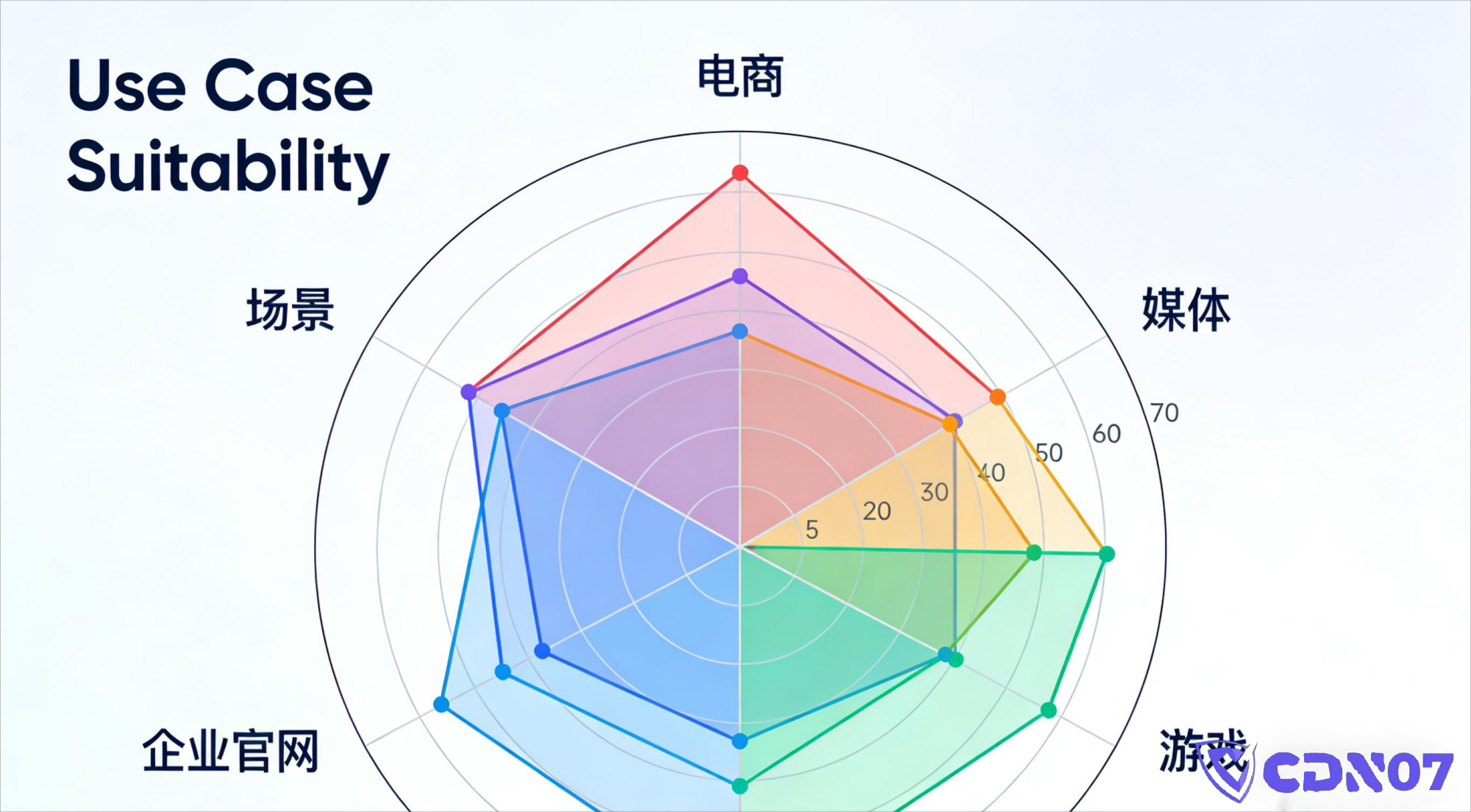
If you’ve ever run a cross-border website or served overseas content to users in China, chances are you’ve wrestled with this question:
"Will using a Hong Kong node always be faster?" "Is Hong Kong CDN inherently more stable than mainland CDN?" "Doesn’t ‘no ICP license + close proximity’ sound like a huge advantage?"
These questions sound reasonable on the surface. But let me start with a hard truth you might not want to hear:
Hong Kong nodes can be "fast sometimes, slow other times." What really determines performance isn’t whether it’s in Hong Kong—it’s the path your traffic takes.
I’ve been in cybersecurity and acceleration solutions for over a decade, tested countless Hong Kong and mainland nodes, and handled plenty of cases where "switching to a Hong Kong CDN actually made things slower."
In this article, I’m not pushing any provider or solution—just doing one thing: explaining the real differences between Hong Kong CDN and Mainland China CDN in plain English.
1. The First Big Misunderstanding About "Hong Kong CDN"
Let’s start with the most common myth:
"Hong Kong is close to mainland China, so it must be fast."
Geographic proximity helps, but in the networking world, it only plays a small part.
Here’s what the real user path looks like:
User → ISP Outbound → International/Cross-border Route → CDN Node → Origin Server
If there’s congestion, routing detours, or packet loss anywhere along that path, your "physical proximity advantage" vanishes instantly.
That’s why you see things like:
- Fast access to Hong Kong nodes during the day
- Noticeable slowdown after 8 PM
- The same Hong Kong IP performing differently across regions
This isn’t an illusion—it’s all about the network path.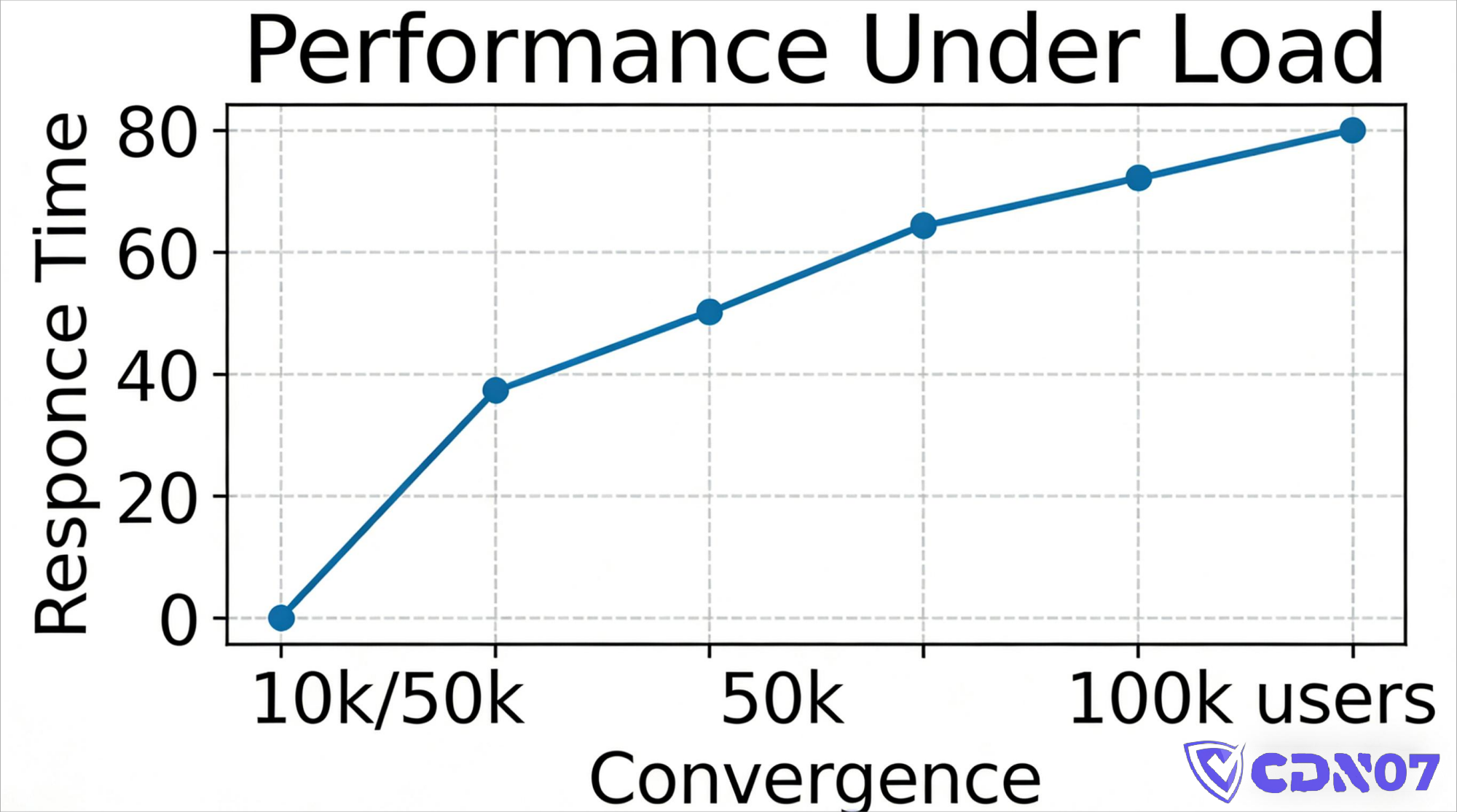
2. What Really Sets Hong Kong CDN Apart from Mainland China CDN?
Many articles talk about ICP licensing, regulations, or node counts, but those aren’t the core differences.
The real differences come down to three things:
1️⃣ They Operate in Completely Different Network Ecosystems
- Mainland China CDN
- Deeply integrated with the three major carriers
- Local BGP / backbone access
- Controlled routing, stable paths
- Hong Kong CDN
- Relies on international or cross-border routes
- Depends on ISP outbound quality
- More unpredictable during peak hours
In a nutshell:
Mainland CDN wins with "local direct routes," Hong Kong CDN wins with "flexibility and cross-border reach."
2️⃣ Stability Works Differently
Mainland CDN stability comes from:
- Nearby nodes
- Carrier-internal traffic management
- Peak hour guarantees
Hong Kong CDN stability depends on:
- Route quality
- Avoiding congestion points
- Having backup routes
Which leads to a very real scenario:
A good Hong Kong CDN can be very stable; a mediocre one can struggle badly during peak hours.
3️⃣ Security & Compliance Strategies Differ
Mainland China CDN:
- Mature security systems
- Better tuned to local attack patterns
- Strict compliance requirements
Hong Kong CDN:
- Security capability varies widely
- Some focus on speed, others on DDoS protection
- Depends heavily on the provider’s actual infrastructure
That’s why two services both called "Hong Kong CDN" can perform worlds apart.
3. Why Do Many People Experience "Fast by Day, Slow by Night" with Hong Kong Nodes?
This is the most common question.
And the answer is pretty straightforward.
1️⃣ The Slowdown Isn’t in Hong Kong—It’s at the ISP Outbound Gate
From 7–11 PM, internet traffic in China peaks:
- Video streaming
- Gaming
- Downloads
- Cross-border traffic
All that traffic floods the ISP’s international gateways.
No matter how good your Hong Kong node is, if the first hop out of China is already jammed, the rest of the trip suffers.
2️⃣ Budget Hong Kong Routes Get Lower Priority
Many cheaper Hong Kong CDNs use:
- Standard international routes
- Cost-first routing
- No peak-hour guarantees
During peak times, these nodes often show:
- Latency jumping from 50ms to 200ms+
- Noticeable packet loss
- Choppy page loads
Most providers won’t tell you this upfront.
3️⃣ Good Hong Kong CDNs Cost More—Because of the Route, Not the Location
A truly reliable Hong Kong CDN usually:
- Uses optimized routes
- Implements intelligent routing
- Automatically reroutes during congestion
You’re not paying for Hong Kong—you’re paying for how you get there.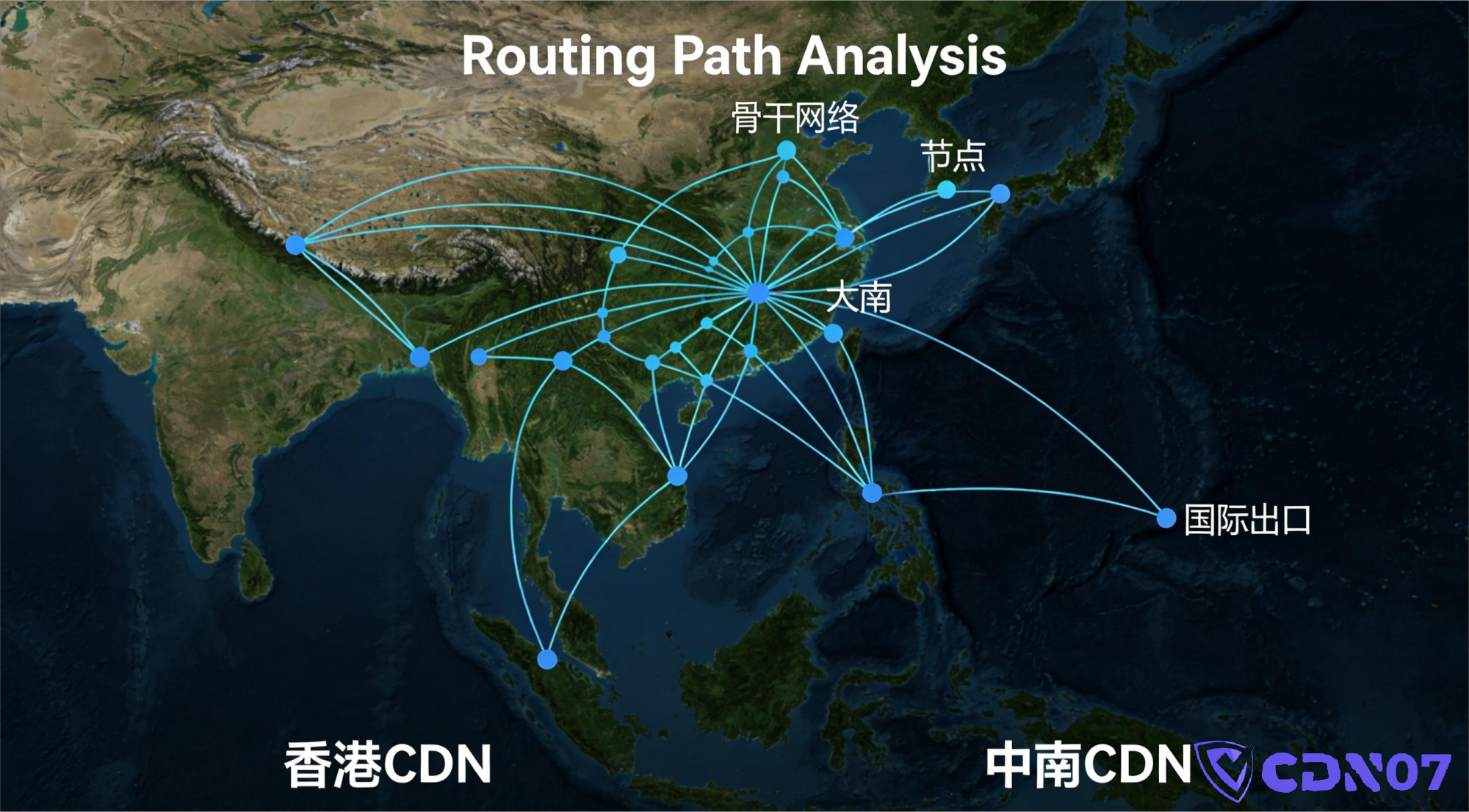
4. So When Is a Hong Kong Node Actually "Fast"?
It’s important to know the right use cases.
✅ Case 1: Primarily Cross-border Traffic
For example:
- Overseas servers
- Overseas SaaS platforms
- E-commerce / independent sites targeting abroad
A Hong Kong node acts as a "transit hub" and can significantly improve:
- Access from China to overseas services
- Origin server stability
✅ Case 2: You Want to Avoid ICP Licensing, But Your Users Are in China
This is a practical choice for many site owners.
Without an ICP license:
- Hong Kong CDN
- Is one of the few viable options
But only if:
The routes and node quality are solid.
✅ Case 3: You Don’t Need "Absolute" Stability
For example:
- News sites
- Content blogs
- Brochure websites
Where it’s acceptable to have:
- Occasional slowdowns
- Occasional jitter
Hong Kong CDN is a reasonable trade-off here.
5. When Is Mainland China CDN Clearly the Better Choice?
Let’s be honest—don’t get carried away by "no ICP license."
❌ In these cases, Hong Kong CDN can actually hurt performance:
- Users are 100% in mainland China
- Low latency is critical
- Your traffic peaks in the evening
- Payment / checkout / real-time interaction features
In these scenarios:
Mainland China CDN + ICP compliance will almost always be more stable than Hong Kong CDN.
Some high-quality Hong Kong CDNs prioritize routes like CN2 over standard international gateways.
6. How Effective Is Hong Kong CDN Against Attacks?
Many mistakenly believe:
"If it's hosted in Hong Kong, it's harder to attack."
That’s a dangerous misunderstanding.
The truth is:
- Attacks aren’t tied to geography
- They’re tied to how exposed your service is
Whether a Hong Kong CDN can handle attacks depends on:
- Having a scrubbing center
- Scrubbing bandwidth capacity
- CC attack behavior detection
- AI-driven traffic analysis
- Backup traffic routing
It’s not "Hong Kong" that determines defense—it’s the "protection system" in place.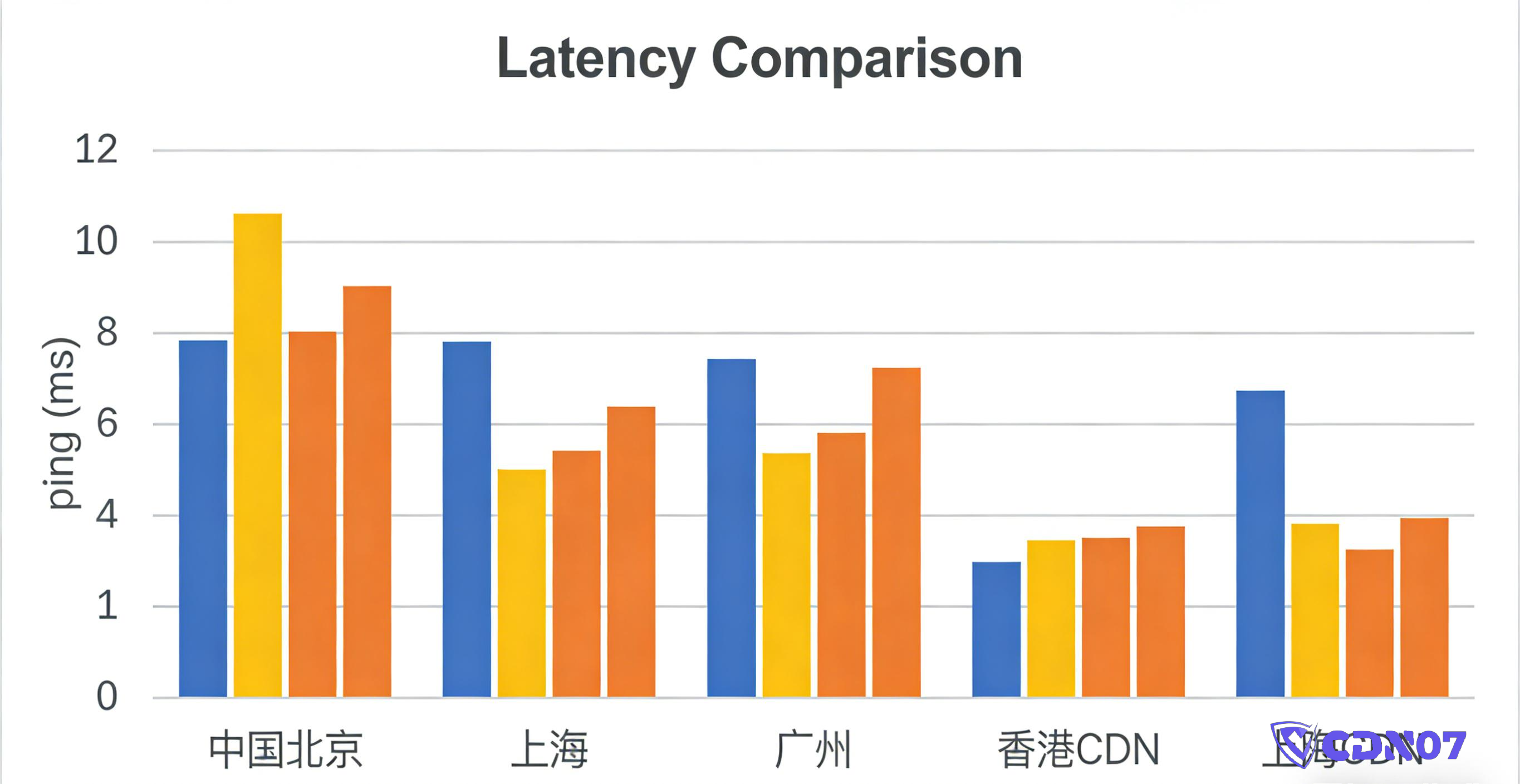
7. What Does "Hong Kong CDN + AI Scrubbing" Actually Solve?
This is a growing trend in recent years.
A good Hong Kong DDoS-protected CDN uses AI to:
- Distinguish real users from attack traffic
- Limit abnormal request rates
- Adjust protection policies automatically
- Avoid blanket IP blocking during attacks
It solves this problem:
"Block attacks without blocking legitimate users."
But this kind of service isn’t cheap.
8. Hong Kong CDN vs. Mainland China CDN: The Key Differences at a Glance
Here’s an unbiased summary:
| Metric | Hong Kong CDN | Mainland China CDN |
|---|---|---|
| Latency (lower bound) | Medium | Low |
| Peak-hour stability | Route-dependent | High |
| ICP license required | No | Yes |
| Cross-border access | Excellent | Average |
| Security capability | Varies by provider | Generally mature |
| Cost predictability | Widely varies | Relatively transparent |
Whether a CDN can withstand attacks depends on real DDoS traffic scrubbing capability, not where the nodes are.
9. A Practical Checklist for Site Owners
Ask yourself these five questions:
1️⃣ Are your users mainly in mainland China? 2️⃣ Will your business suffer if speed drops at night? 3️⃣ Can you tolerate occasional performance jitter? 4️⃣ Have you been attacked before? 5️⃣ Is avoiding ICP licensing a must?
If 3+ answers point toward Hong Kong → consider Hong Kong CDN. Otherwise, mainland China CDN is usually the more stable choice.
10. Hong Kong CDN Isn’t About "Speed"—It’s About "Flexibility"
Let me wrap this up with one clear takeaway:
The value of Hong Kong CDN isn’t that it’s always faster—it’s that it offers flexibility mainland CDN can’t match.
It’s not a magic solution, nor an automatic advantage.
What really defines your experience is:
- Routes
- Traffic routing
- Protection
- Cost
- Fit with your actual needs
Once you understand that, you won’t be misled by claims like "Hong Kong nodes are fast."
Real Talk from a Seasoned Site Owner
Let’s be real—whether a Hong Kong CDN is fast isn’t about the node; it’s about whether the path your traffic takes is clear.
I’ve seen so many site owners attracted by terms like "no ICP license," "close to mainland," and "low latency," only to pick a Hong Kong node and get frustrated when speeds plummet at night.
Later they realize—the problem isn’t the server or the code. It’s that the network route can’t handle peak-hour traffic.
A truly reliable Hong Kong CDN usually isn’t the cheapest option—it’s the one that stays stable, avoids route-hopping, and limits packet loss when traffic spikes at 8 or 9 PM.
Many bad experiences come from using nodes that are "physically in Hong Kong, but routed through ordinary international gateways."
And here’s something else often overlooked: Hong Kong CDN isn’t a universal fix.
If your users are mostly in mainland China and you can get an ICP license, a mainland CDN will usually give you better stability and cost efficiency.
On the other hand, if you must avoid ICP licensing, or your business is inherently cross-border, Hong Kong CDN still has real value.
My advice is simple: don’t assume "Hong Kong equals fast," but don’t write it off either.
Figure out where your users are, when your traffic peaks, and how much fluctuation you can tolerate—then choose the right solution. That’s how you avoid costly mistakes.
Networking isn’t about catchy slogans—it’s about holding up when traffic is at its peak.
FAQ:
You can place this right before the article ends—no need to overemphasize "FAQ."
Q1: Is Hong Kong CDN always faster than Mainland China CDN? Not necessarily. Hong Kong nodes are physically closer, but traffic must travel through cross-border or international routes, which often congest during peak hours. If your users are mainly in mainland China, mainland CDN typically offers lower latency and better stability.
Q2: Why do many Hong Kong CDNs feel fast during the day but slow at night? The main reason is congestion at Chinese ISP international gateways during evening peak times. Hong Kong CDNs with lower-quality routes see noticeable increases in latency and packet loss during these hours.
Q3: If I don’t want an ICP license, is Hong Kong CDN my only option? It’s the most common choice, but not all Hong Kong CDNs are equal. Route quality, node performance, and traffic routing vary widely—choose poorly, and your experience could be worse.
Q4: Is Hong Kong CDN reliable against DDoS attacks? That depends entirely on the provider. Whether they have a scrubbing center, how much scrubbing bandwidth they offer, and whether they use intelligent protection matter far more than node location.
Q5: What types of sites are better suited for Hong Kong CDN? Cross-border services, international e-commerce sites, overseas platforms serving Chinese users, or any site that can’t obtain an ICP license and doesn’t require flawless peak-hour performance.
Share this post:
Related Posts

How to Choose a DDoS-Protected CDN for Mainland China: Speed and Security Guide
How can websites hosted overseas improve access from Mainland China without compromising DDoS protec...

What to Do When Your Website Is Slow: A Practical Guide to Troubleshooting DNS, TTFB, and Resource Loading
Why is your website slow to load? This guide walks through DNS resolution, connection setup, TTFB, i...

Why Online Card and Board Games Need an SDK-Based Game Shield for DDoS Protection
Online card and board games face persistent security risks, including DDoS attacks, HTTP floods, che...