

Is AWS DDoS-Protected CDN Expensive? A Cost-Benefit Analysis & Alternative Solutions
Is AWS Shield Advanced really worth it? With a fixed $3000 monthly fee plus uncapped data scrubbing costs, are you just paying for the "never-fail" brand premium? A senior architect breaks down the numbers, showing you when to go all-in with AWS and when to opt for cost-effective solutions like Cloudflare.

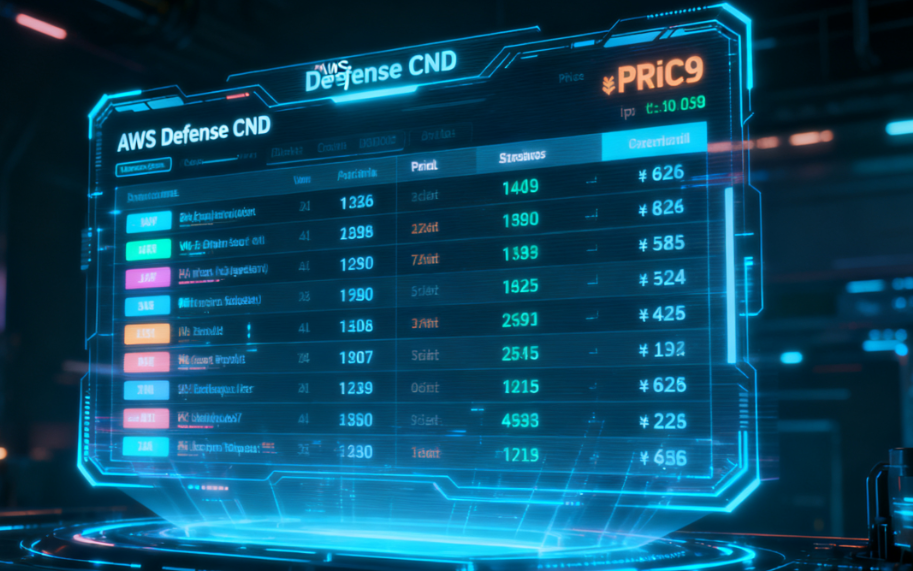
Honestly, the first time I saw the bill for AWS Shield Advanced (the core of their DDoS-protected CDN), I almost spat out my coffee.
Is it expensive? Well, that depends on who you compare it to, what level of attack you're facing, and just how deep your pockets are.
As an architect who's built systems for many small and medium-sized Chinese companies, I can tell you that this "advanced armor" from AWS isn't something every company can afford.
Let me break down the costs for you.
AWS Shield Advanced itself comes with a fixed monthly fee of $3,000 USD. Think of it as a cover charge – you pay it every month, regardless of whether you use it or get attacked.
And then what? If an attack happens and DDoS mitigation kicks in, AWS starts scrubbing those flood-like garbage packets – and that's when your bill starts dancing. You're charged per gigabyte scrubbed, ranging from a few cents to over ten cents per GB (varies by region).
Just imagine a large-scale attack scrubbing hundreds of terabytes, or even petabytes, of data. The number will get your heart racing. I've seen the most extreme case where a client's scrubbing fees alone hit nearly $20,000 in one month. Add the base fee, and the pain level is a solid five stars.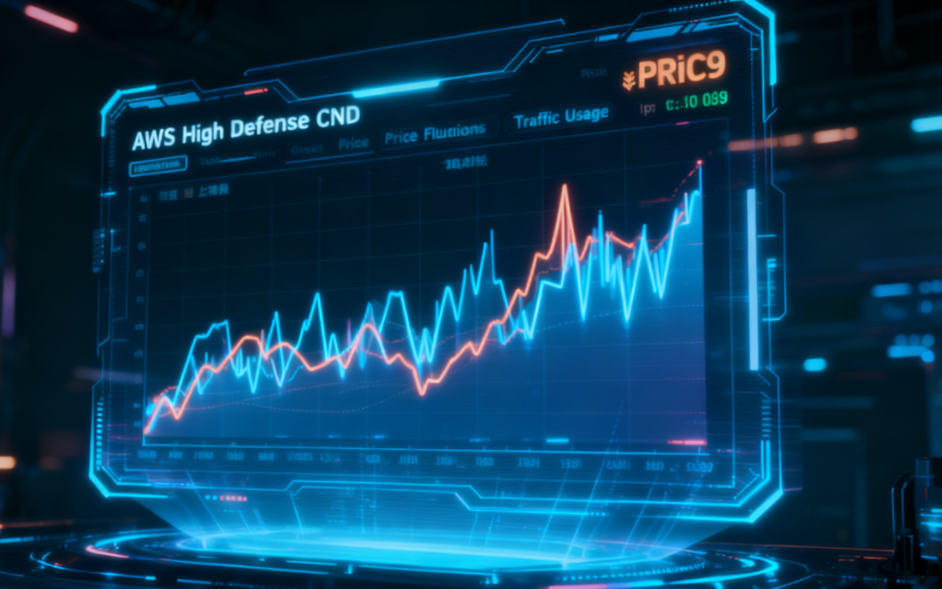
Is it worth it? It depends.
If you're in finance, online gaming, or running a major e-commerce sale where server downtime means losing millions per minute, then paying thousands for protection is like buying top-tier insurance. AWS's global network and automated mitigation are top-notch – fast response, capable of handling massive attacks. The peace of mind is real.
But if you're just running a standard corporate website or a service with moderate traffic, maybe facing a crippling attack only once in a blue moon, then spending nearly $40,000 per year just on the base fee becomes highly questionable in terms of value for money.
Are there alternatives? Absolutely, and many peers are using them.
Cloudflare Pro or their Enterprise Plan is the go-to choice for many.
The Enterprise Plan typically uses a fixed annual fee model (specifics are negotiable, but it's often much more cost-effective than AWS's monthly rate). DDoS protection is standard, with unlimited mitigation, and their global node network is massive.
The key point? Their basic CDN acceleration is included, often for free! While the absolute deepest mitigation against the largest attacks might be a nuanced comparison with AWS, for 99% of businesses, Cloudflare's protection is more than sufficient, far cheaper, and their interface is much more user-friendly.
CDN07 is also a solid option, especially for scenarios demanding insane performance. They integrate edge computing and security tightly, sometimes offering faster mitigation speeds, and their pricing is more flexible and transparent than AWS's.
Then there are established security vendors like Akamai and Imperva. Their solutions are very mature, but the pricing... well, let's just say it might be even more "impressive" than AWS's.
In the end, choosing AWS's DDoS-protected CDN isn't just about paying for traffic or storage. You're paying for the absolute guarantee of "not failing at a critical moment" and the AWS brand premium.
It's like in Texas Hold'em: going all-in with a super strong hand feels great, but you'd better be sure you actually have the cards and the chips for it.
For most small and medium-sized businesses without extremely high risks and with tight budgets, especially Chinese startups, there's really no need to go all-in on AWS Shield Advanced from the get-go.
Properly assess your business's risk level. Take a good look at cost-effective solutions like Cloudflare. Or, at the very least, start with AWS Shield Standard (the free basic protection) combined with something like Cloudflare Pro as a buffer. The money you save could buy your team a lot of coffee to keep them going!
Security is crucial, but spending your money wisely is the real key to survival.
Share this post:
Related Posts

How to Choose a DDoS-Protected CDN for Mainland China: Speed and Security Guide
How can websites hosted overseas improve access from Mainland China without compromising DDoS protec...

What to Do When Your Website Is Slow: A Practical Guide to Troubleshooting DNS, TTFB, and Resource Loading
Why is your website slow to load? This guide walks through DNS resolution, connection setup, TTFB, i...

Why Online Card and Board Games Need an SDK-Based Game Shield for DDoS Protection
Online card and board games face persistent security risks, including DDoS attacks, HTTP floods, che...