

What is a DDoS-Protected CDN? Does Your Average Website Really Need One?
Wondering what a DDoS-protected CDN is and if your website needs it? We break down how DDoS and CC attacks work, what these CDNs actually do, and help you figure out if it's a must-have or just a maybe for your site.

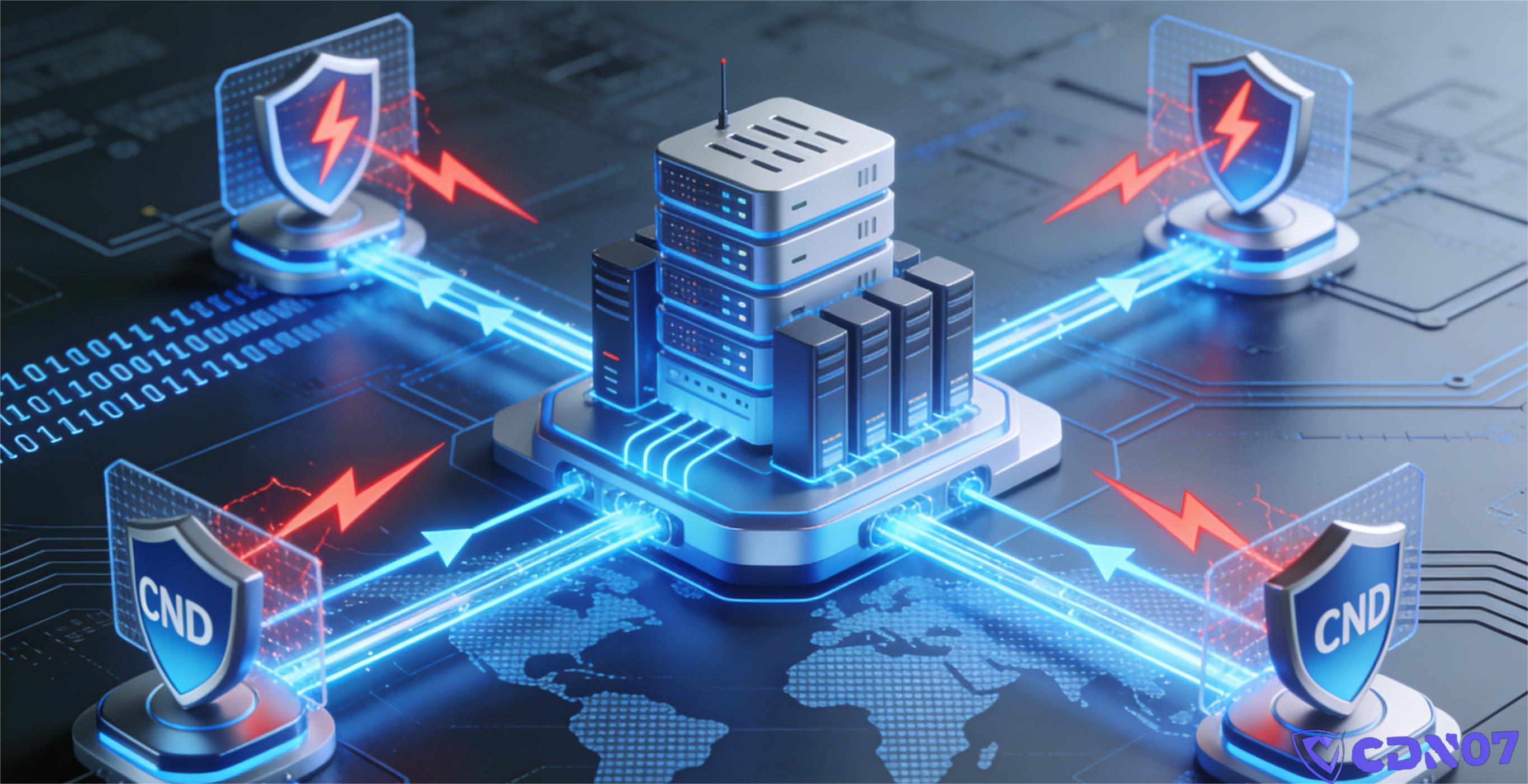
For a lot of site owners, the first time you hear "DDoS-protected CDN," your brain goes straight to one thought: "Isn't that just for sites that are constantly under attack?"
Truth bomb — I used to think the exact same thing. Right up until my site got hammered offline.
I'm not here to sell you anything. Let's just walk through this step-by-step so you understand:
- What this thing actually is.
- What getting hit feels like (spoiler: it sucks).
- When your site absolutely needs one, and when you can probably skip it.
- How you can waste a ton of money by picking the wrong "solution."
Whether you run an online store, a blog, a content site, or a business portal, this will help you see through the hype.
Part 1: So, what is a "DDoS-Protected CDN" anyway?
Let's break the name down.
1️⃣ First, the "CDN" part.
Simple version: A CDN (Content Delivery Network) stores copies of your website on servers around the world, closer to your visitors.
Without a CDN, traffic goes:
Visitor → Your Server (often far away)
With a CDN, it goes:
Visitor → Closest CDN Server → Your Server (only if needed)
Result? Your site loads faster for everyone, and your main server isn't sweating as much.
2️⃣ Now, the "DDoS-Protected" part.
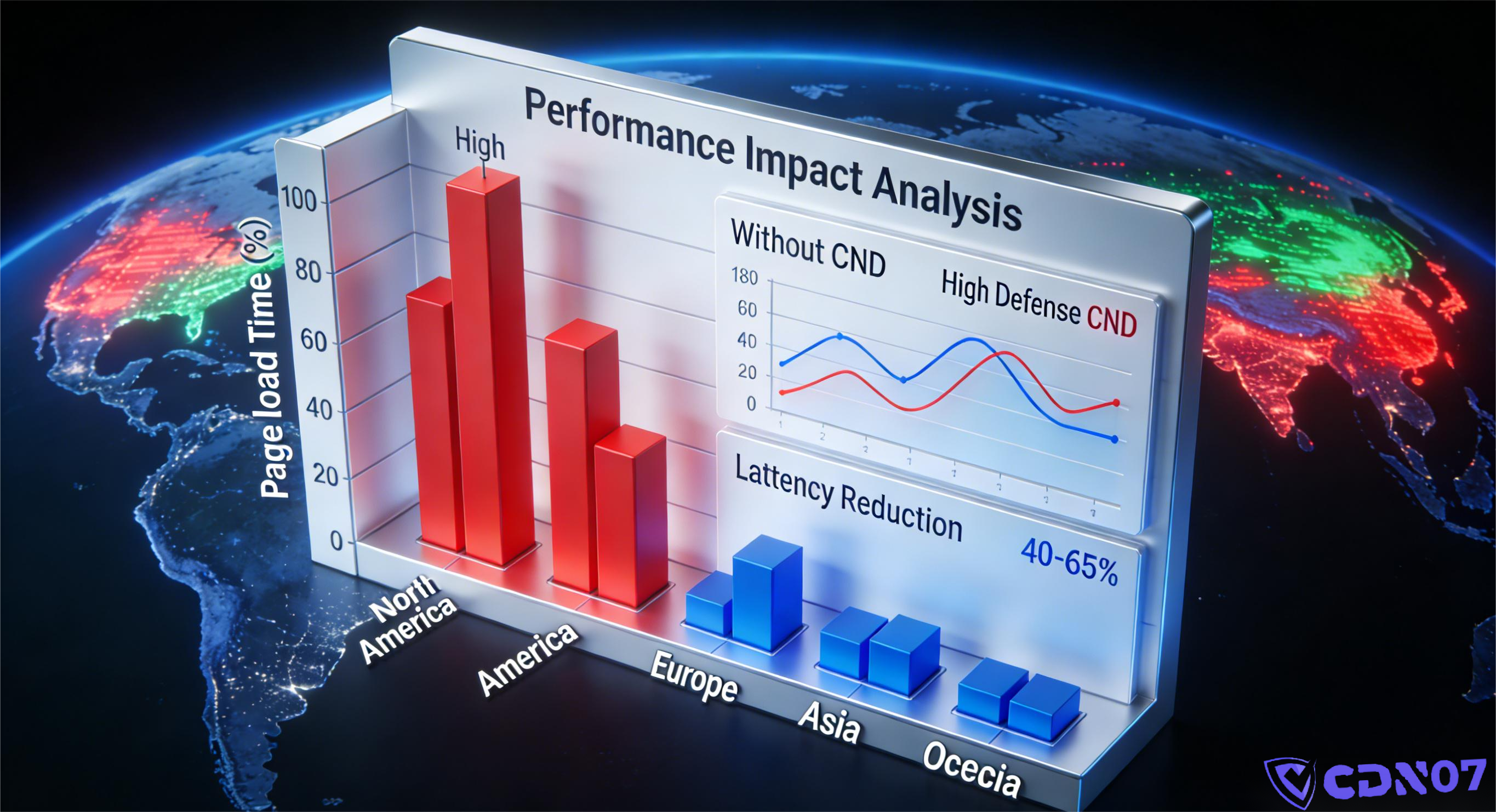
A normal CDN is all about speed. A DDoS-protected CDN is about speed + survival. It's built to handle:
- Malicious traffic floods (DDoS)
- Bot attacks that mimic users (CC attacks)
- Direct assaults aimed at taking your server down
The core idea is this:
Let the attack hit our robust network first. Your actual server stays hidden and safe.
It's not just an accelerator; it's a shield, a disguise, and a speed boost all in one.
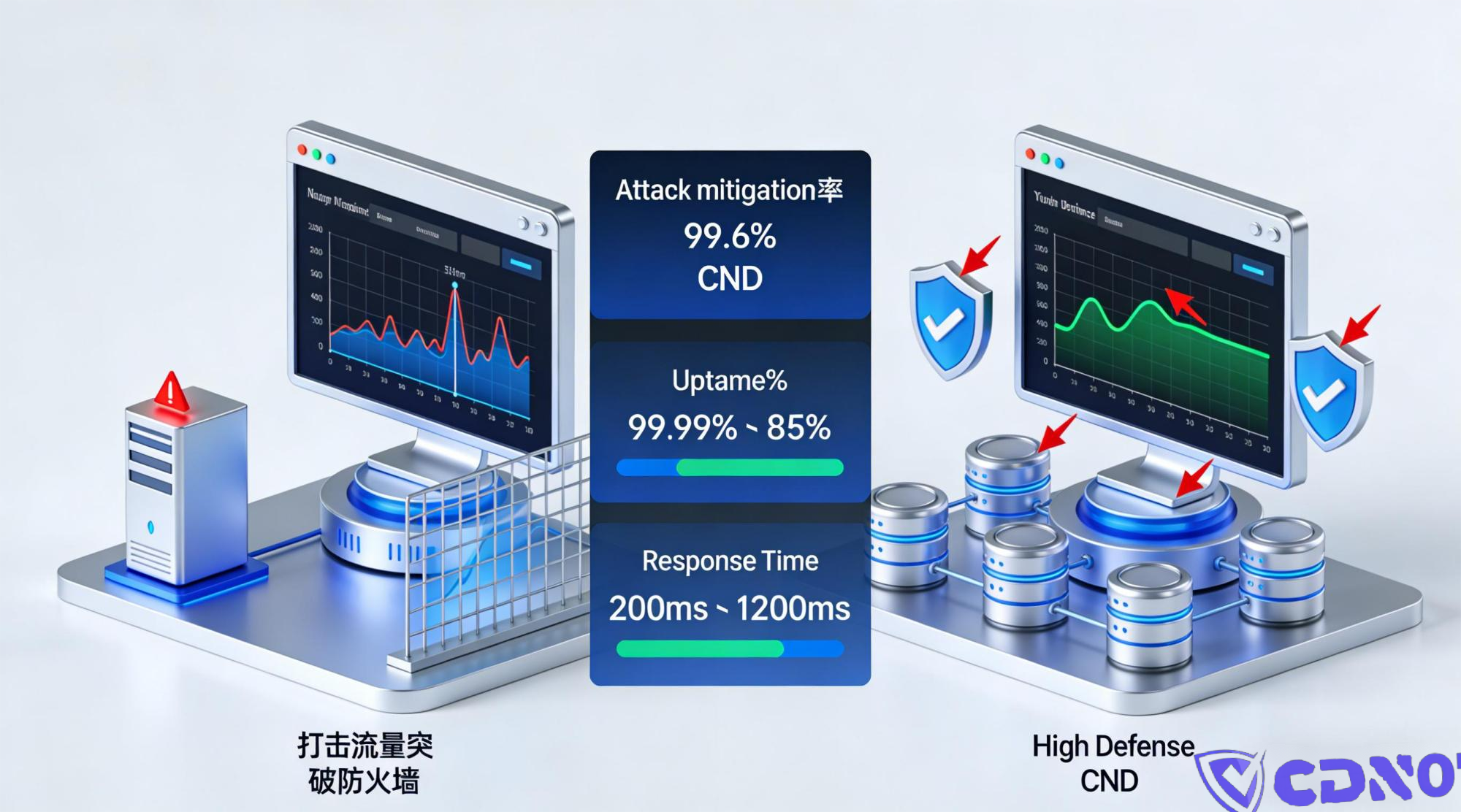
Part 2: "How bad can an attack really be?" Let me tell you.
If you've never been hit, it's hard to imagine.
My pre-attack logic was:
"Who'd bother attacking my little site?"
Reality check:
🔥 When it happens, here's what goes down:
- Site slows to a crawl.
- You're locked out of your own admin panel.
- Server CPU pegs at 100%.
- Your bandwidth usage graph looks like a skyscraper.
- Your inbox/phone blows up with "Site's down!" messages.
The worst part? You didn't do anything wrong. It's not about your content. It could be because:
- You're on shared hosting.
- Your IP got scanned by a bot.
- You're in the same data center as a target.
- Just plain bad luck.
Attacks are often random and automated. You don't have to be a target to get hit.
Part 3: The two attacks your normal website should worry about.
Forget the jargon. Here's what you need to know.
1️⃣ The DDoS Attack: The Traffic Tsunami.
Imagine:
Tens of thousands of hijacked devices
all visiting your site at once.
Real visitors can't get through the crowd.
Your server is a cozy coffee shop suddenly swarmed by a mob. No real customers can even get to the door.
2️⃣ The CC Attack: The Slow Death.
This one's sneaky. It doesn't use massive bandwidth. Instead:
- Bots slowly load pages.
- They hit your login API over and over.
- They target the most complex, resource-heavy parts of your site.
Your server isn't "down," but it's unusably slow. Many owners waste hours debugging their code, not realizing they're under attack.
👉 If your site is mysteriously laggy, an attack might be why.
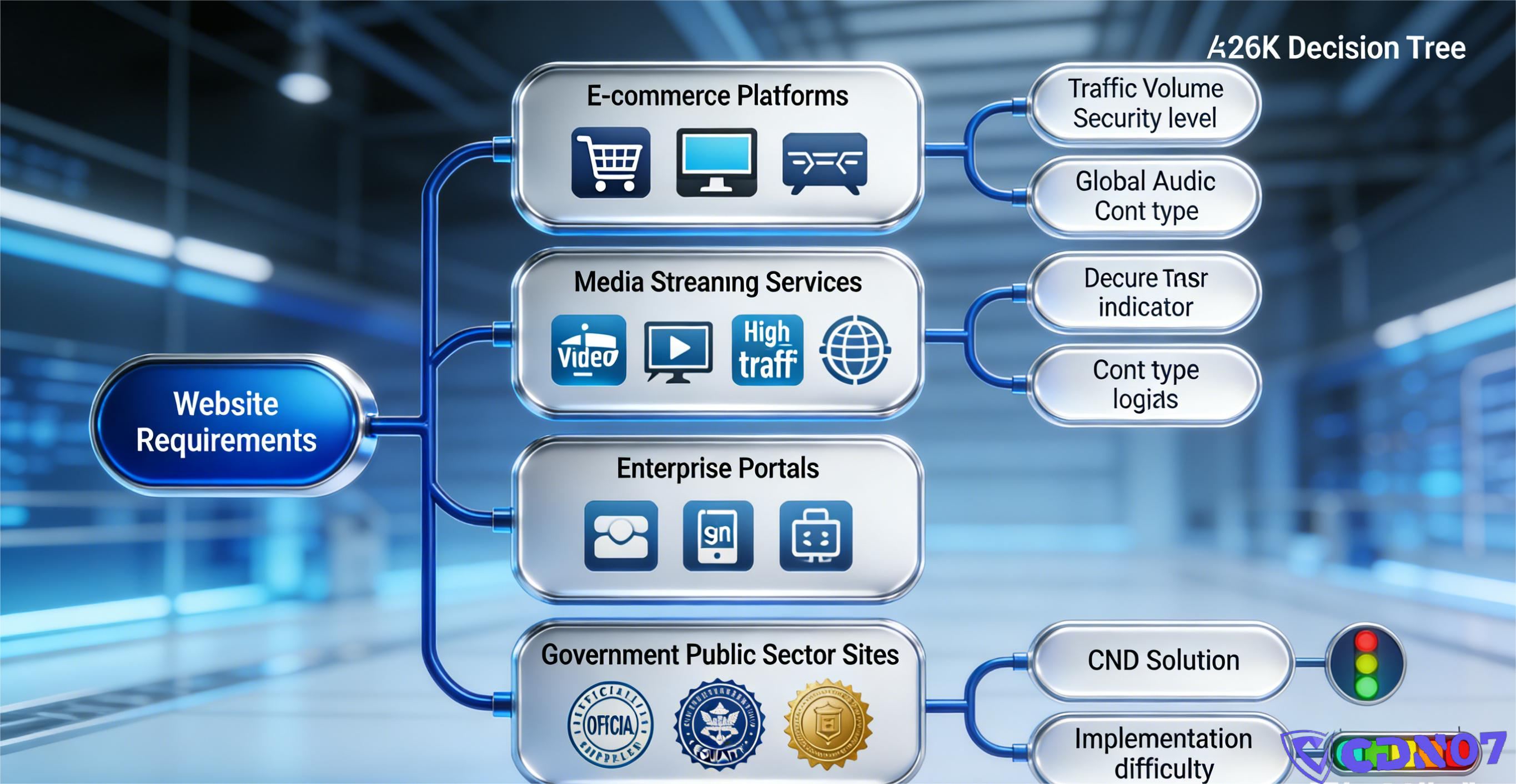
Part 4: How a DDoS-Protected CDN saves your bacon.
Think of it like this:
Normal Website (No Protection):
Attacker → Your Weak Server
Server Overloads → Game Over
With a DDoS-Protected CDN:
Attacker → Giant CDN Network
CDN Filters Bad Traffic → Attack Dies Here
Real Visitors → Happily Browse Your Site
The magic is in three things:
✅ 1. Your server's address is hidden. Attacks can't reach it directly.
✅ 2. The CDN's network is built to absorb huge floods. It has way more bandwidth than you do.
✅ 3. It automatically spots and blocks attack patterns.
This is why people say: "Getting a protected CDN was the first time I slept soundly in months."
Part 5: The big question: Does MY site need this?
Let's be blunt.
❌ You can probably skip it if your site is:
- A personal hobby blog with 10 visitors a day.
- A project site with no ads, no sales, no critical function.
- Something where downtime is just a minor annoyance.
👉 For these, a basic CDN or good hosting is plenty.
✅ You should seriously consider it if:
1️⃣ Downtime = Lost Money or Reputation.
For example:
- E-commerce stores
- Service business websites
- Landing pages for paid ads (Google/Facebook ads)
- SaaS applications
- Any site where being online directly affects your income.
2️⃣ You're Seeing Warning Signs.
Like:
- Unexplained slowdowns.
- Hosting provider threats about "excessive traffic."
- Your server IP getting blocked by third parties.
- You're constantly tweaking server settings to stay afloat.
You might already be in the crosshairs.
3️⃣ You're Not a Security Guru (and don't want to be).
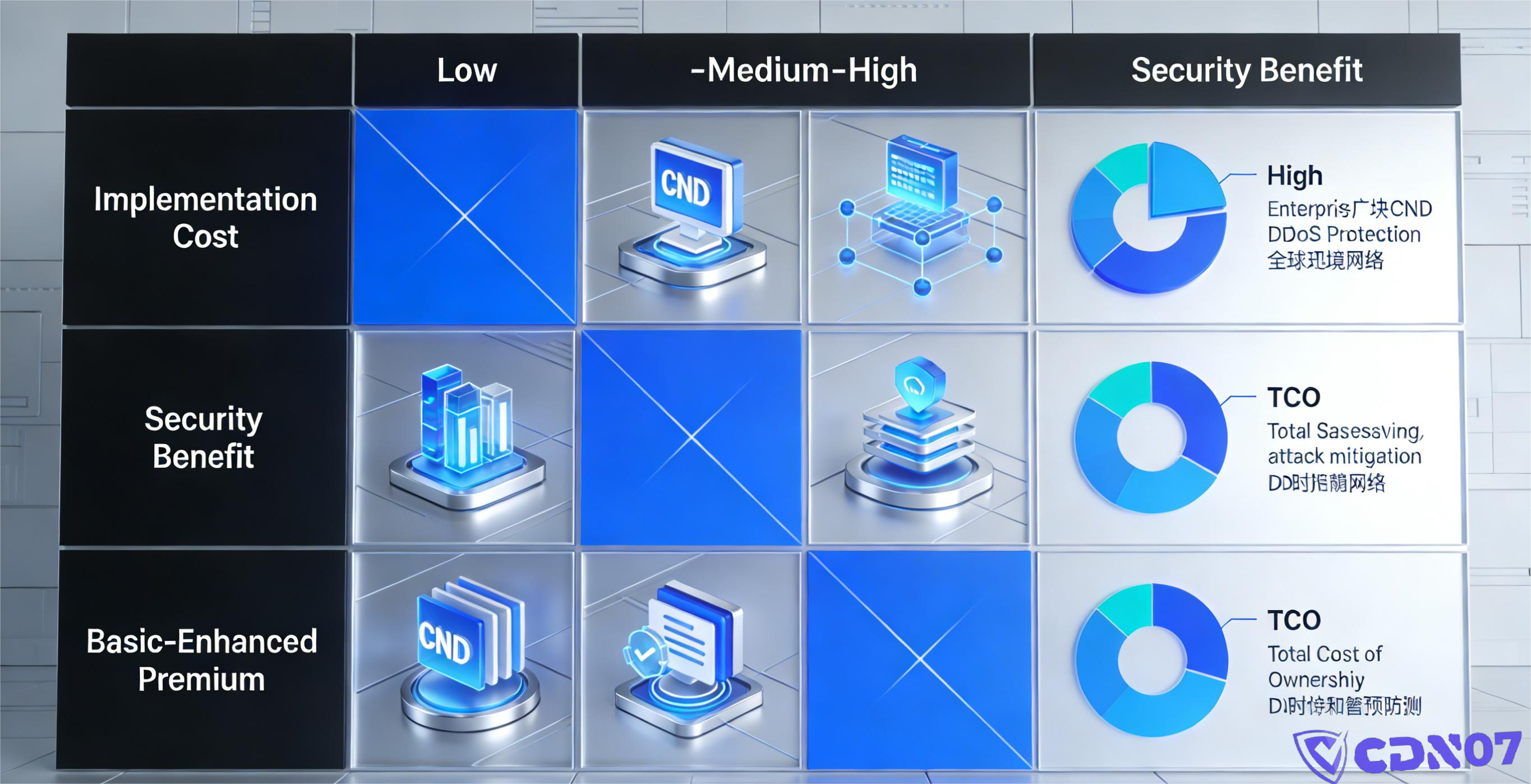
A protected CDN is paying for expertise and peace of mind. It's often cheaper than:
- Upgrading to a massive server.
- Hiring a security expert.
- Losing sales during an outage you can't fix.
Part 6: "But I have a CDN and still got hit!" Common mistakes.
This is where most people get tripped up.
❌ Mistake 1: Thinking "Any CDN = DDoS Protection."
Nope. Most standard CDNs are for speed, not warfare. You need one specifically marketed for DDoS mitigation.
❌ Mistake 2: Leaving Your Server's Real IP Address Exposed.
If attackers find it, they'll bypass your CDN completely. Hiding your origin IP is step one.
❌ Mistake 3: Choosing the $10/month "Unlimited Protection" plan.
You get what you pay for. A real network capable of absorbing large attacks costs money to build and run.
Part 7: Is it worth the cost? The real talk.
I'm not saying everyone needs it. But I will say this:
If your website's uptime is critical to your business,
a DDoS-protected CDN isn't an extra — it's essential insurance.
It won't make your site rank higher on its own, but it will prevent you from losing rankings, sales, and customer trust during an attack.
Most people only get serious about protection after their first major outage. Don't be that person.
Part 8: Wrapping Up
If you're:
- Running a business online.
- Spending money to attract visitors.
- Growing in traffic.
- Losing sleep over potential downtime.
Then you need to understand what this tool is and what problem it solves.
Choosing the right provider? That's a conversation for next time.
FAQ: Your Questions, Answered Straight
1️⃣ What's the REAL difference between a normal CDN and a DDoS-protected one?
Normal CDN: Focus = Speed. DDoS-Protected CDN: Focus = Speed + Surviving Attacks. It has the infrastructure and tech to identify and filter out malicious traffic before it reaches you.
2️⃣ My site's never been attacked. Do I need this?
Maybe not yet, if: It's a low-traffic personal site. Consider it sooner if: Your site makes money, handles data, or you can't afford it to go down. Attacks are often random; you don't need to be a target.
3️⃣ Why would my site get hit even with a CDN?
Three likely reasons: 1) You're using a standard CDN without DDoS protection. 2) Your origin server IP is publicly discoverable. 3) The attack is larger than your chosen plan can handle.
4️⃣ Can it stop 100% of attacks?
No solution is 100% perfect. But a good one will stop the vast majority of automated and volumetric attacks, keeping your site online. It's about risk reduction, not elimination.
5️⃣ Will it slow my site down?
A well-configured one should make your site faster for real users (by caching) while only slowing down/bad traffic. Poor configuration can cause issues, though.
6️⃣ How much attack traffic can they handle?
It varies by provider. Plans range from tens of Gbps (enough for most small businesses) to multiple Tbps (for large enterprises and networks). You pay for capacity.
7️⃣ What's the difference between a "DDoS-Protected CDN" and a "DDoS-Protected IP"?
Protected IP: Shields a single server IP address. Protected CDN: Shields your entire website across a global network AND makes it faster. For most websites, the CDN is the better choice.
8️⃣ Are "no setup" or "instant" protected CDNs any good?
They can be, if they're from reputable providers. The key is their network's actual capacity and their support. "No setup" doesn't mean "no configuration" for optimal performance.
9️⃣ What's a realistic price?
Anywhere from $20-50/month for a basic small-site plan to hundreds or thousands per month for enterprise-grade protection with custom rules and SLAs. Free plans exist but offer very limited protection.
🔟 What's the #1 mistake beginners make?
Not hiding their origin server IP. It's like building a giant castle wall but leaving the back door wide open. The CDN can't help if attackers go around it.
Share this post:
Related Posts

How to Choose a DDoS-Protected CDN for Mainland China: Speed and Security Guide
How can websites hosted overseas improve access from Mainland China without compromising DDoS protec...

What to Do When Your Website Is Slow: A Practical Guide to Troubleshooting DNS, TTFB, and Resource Loading
Why is your website slow to load? This guide walks through DNS resolution, connection setup, TTFB, i...

Why Online Card and Board Games Need an SDK-Based Game Shield for DDoS Protection
Online card and board games face persistent security risks, including DDoS attacks, HTTP floods, che...