

Cross-Border Website Security & Speed: How to Choose a Reliable Overseas DDoS-Protected CDN?
Why do cross-border websites crash as soon as they're attacked? Drawing from real webmaster experience, this guide breaks down the protection logic, acceleration effectiveness, and common pitfalls of overseas DDoS-protected CDNs to help you choose the right security and speed solution for your international business.

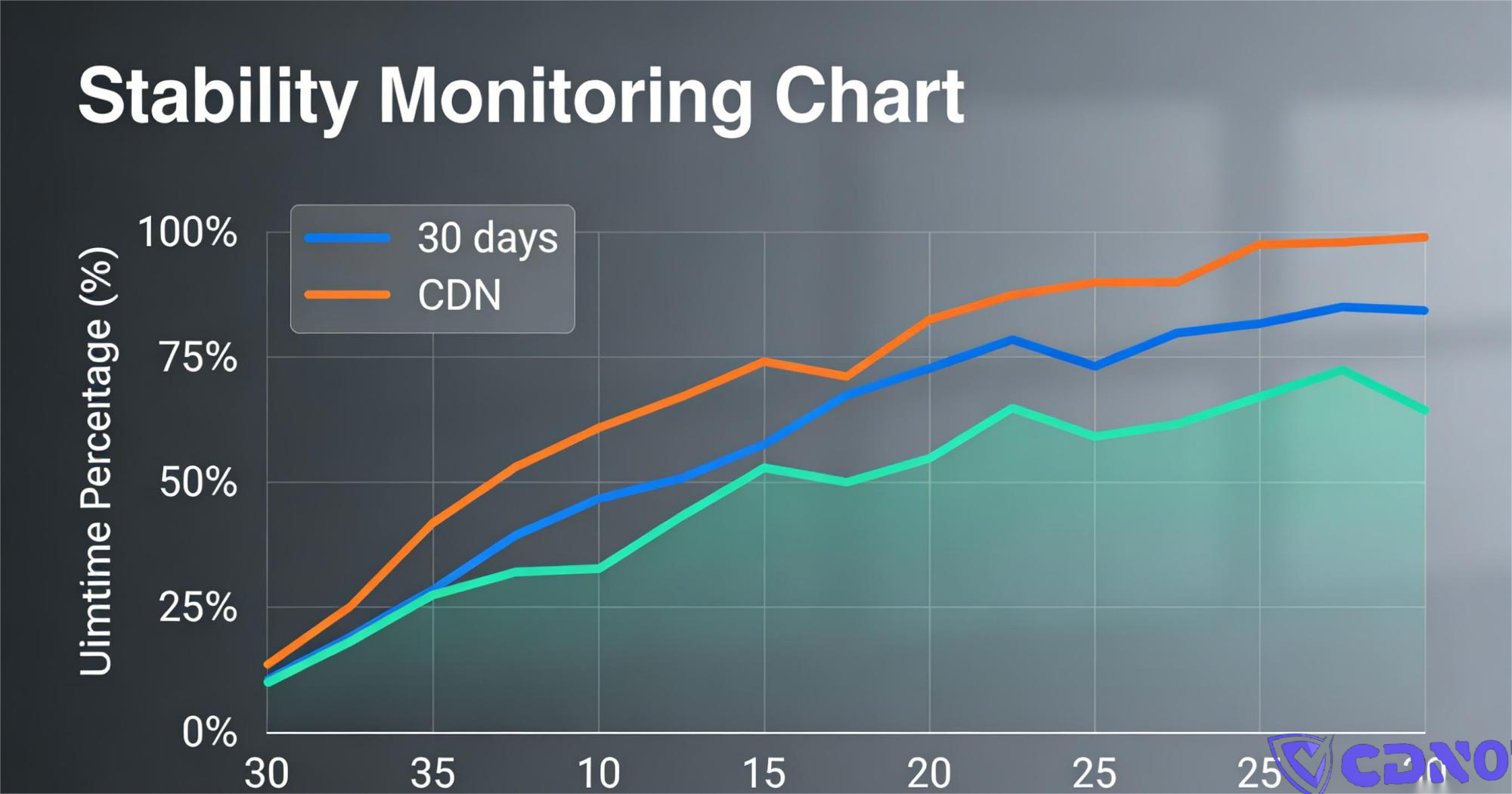
If you run a cross-border website, you've probably faced these issues:
- Access from overseas is okay, but users in China experience painfully slow speeds.
- Everything works fine until an attack hits, then it's straight to a 502 error.
- After implementing a CDN, speed improves, but security doesn't.
- The protection specs look impressive, but during a real attack, throttling and false blocks kick in.
It's at this point many site owners realize the core issue:
What a cross-border website needs isn't just a "standard CDN + firewall," but a true overseas DDoS-protected CDN built for international scenarios.
But that leads to the next challenge—
With so many overseas DDoS-protected CDN providers, how do you choose? What pitfalls must you avoid?
In this article, I'll skip the fluff and focus on the key points you'll definitely encounter in real-world operations.
1. Why Are "Security" and "Speed" Harder for Cross-Border Websites?
Many new site owners think:
"Isn't it just about hosting the site overseas and adding a CDN layer?"
Those who've actually handled cross-border traffic know the common traps.
1️⃣ More Complex Attack Sources
Attacks on cross-border sites often come from multiple regions:
- Overseas botnets
- Domestic proxy nodes
- Cloud server clusters
- Hybrid CC + DDoS attacks
Attack distribution is more scattered, mimicking real users.
2️⃣ Cross-Border Links Are the Weakest Link
Even if your site is hosted overseas, if:
- Your users are in China, or
- Your origin traffic passes through international gateways
Any network fluctuation immediately ruins the user experience.
Many CDNs only handle "acceleration," not "keeping the link stable during attacks."
3️⃣ Protection in Standard CDNs is Often an "Afterthought"
The real focus of many overseas CDNs is:
"Performance first, security as an add-on."
This works fine under normal traffic, but once an attack grows in scale or duration, throttling kicks in, and legitimate requests get dropped.

2. What Makes an Overseas DDoS-Protected CDN "Reliable"?
Many providers claim to offer "DDoS protection," but for cross-border operations, a truly reliable overseas protected CDN must meet at least these 4 criteria.
✔ First, It's a CDN "Designed for Defense First," Not the Other Way Around
This means:
- Independent scrubbing nodes
- Attack traffic is prioritized for processing
- Legitimate users aren't sacrificed
If a CDN's core design is "accelerate first, protect as a bonus," be cautious.
✔ Second, It Can Distinguish "Legitimate Cross-Border Traffic" from "Disguised Attacks"
The hardest attacks to stop for cross-border sites are those that:
- Mimic real browsers
- Follow human-like access patterns
- Use IPs scattered across multiple countries
Simple rate limiting or basic rules are useless here.
A reliable overseas protected CDN will utilize:
- Behavioral modeling
- Access path analysis
- Request consistency checks
- Long-term pattern learning
This is why many "budget solutions" fail during real attacks.
✔ Third, The User Experience Must Hold Up During an Attack
Many providers won't volunteer this information.
The real test is:
- Can pages still load during an attack?
- Do APIs start timing out en masse?
- Are logins and payments stable?
Stopping the attack is one thing; remaining usable while under attack is another.
✔ Fourth, Cross-Border Origin Pull and Node Routing Must "Understand China's Network"
Whether you like it or not, if you have users in China, you face these realities:
- Congested international gateways
- Evening peak-time network jitter
- Uncontrollable packet loss
A reliable overseas protected CDN will typically:
- Specifically optimize routing for China
- Provide high-quality origin pull lines (not just standard international routes)
- Prevent origin servers from being overwhelmed during attacks
3. Why Does "Overseas Protected CDN + Standard CDN" Often Fail?
This is one of the most common pitfalls I see webmasters fall into.
Their logic usually goes:
"Use a standard CDN for speed normally, switch to the protected one when attacked."
Reality is often:
- Attacks strike fast
- DNS changes have latency
- The attack target is already exposed
- The origin IP gets directly targeted
By the time you switch, your site is already down.
The right approach for cross-border sites is usually:
A consistently deployed overseas DDoS-protected CDN, not a "break-glass-in-emergency" solution.
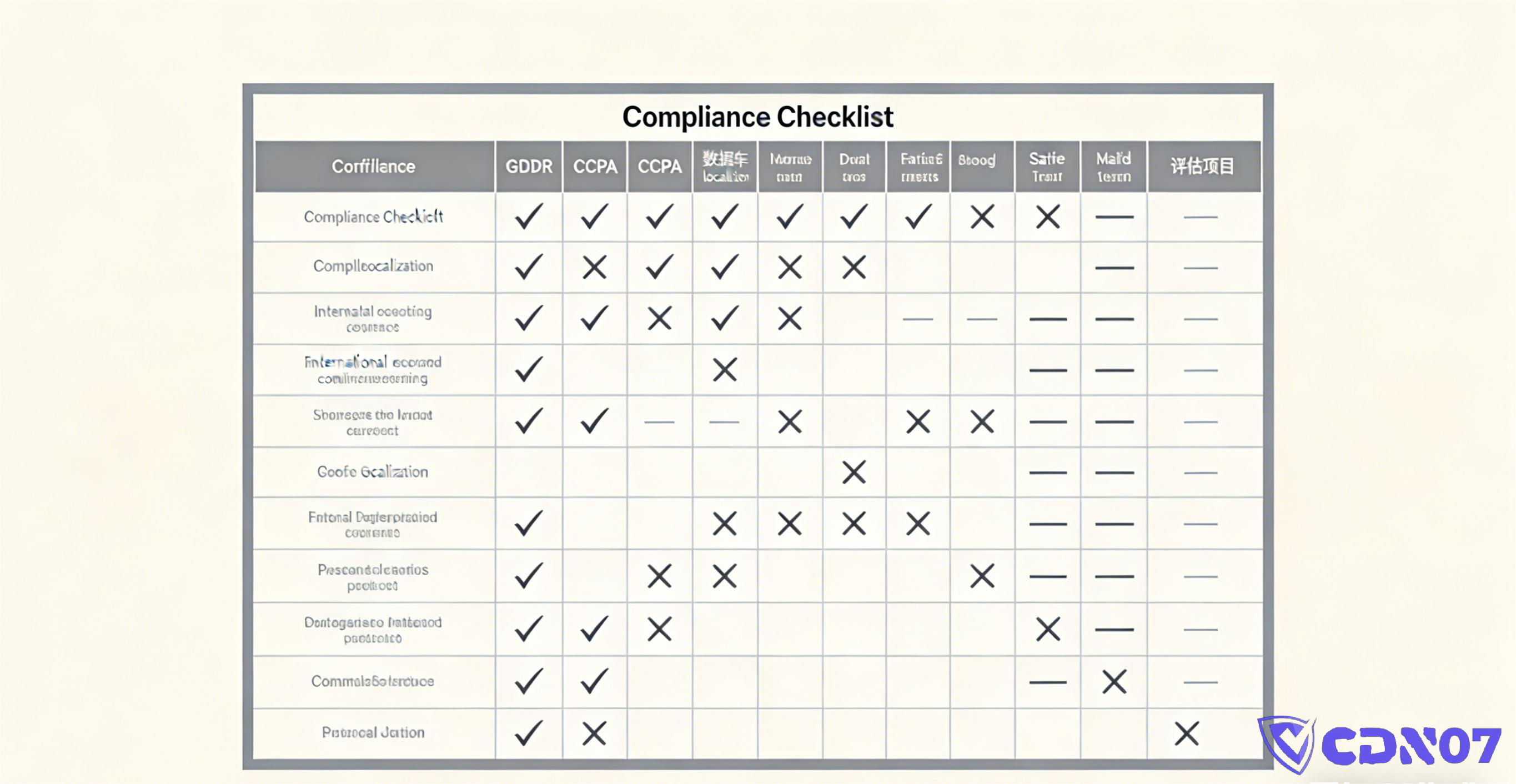
4. 3 Common Architectures for Overseas Protected CDNs - Know the Difference
You don't need to be a tech expert, but you should understand the distinctions.
1️⃣ DDoS-Protected IP + CDN (Hybrid Model)
- Strong defense capabilities
- More complex architecture
- Relatively higher cost
Best for:
👉 API services, backend systems, core business applications
2️⃣ Anycast Protected CDN
- Attacks are dispersed globally
- Excellent stability
- Cost is usually not low
Best for:
👉 Cross-border projects with a globally distributed user base
3️⃣ Regional Overseas Protected CDN (Most Common)
- Optimized for Asia / China routes
- Cost-effective
- Performance varies greatly (depends on the provider)
Best for:
👉 E-commerce export sites, independent stores, content/info sites
5. 6 Critical Questions to Ask When Choosing an Overseas Protected CDN
No matter how impressive the sales pitch, get clear answers on these.
1️⃣ What's the attack activation threshold?
2️⃣ Is scrubbing automatic, or does it require manual intervention?
3️⃣ Will legitimate users be throttled during an attack?
4️⃣ How is the origin server IP protected?
5️⃣ Is routing to China specifically optimized?
6️⃣ How are traffic and attack mitigation costs calculated?
If the provider is vague on these, it's usually a red flag.
6. The "Hidden Costs" of Overseas Protected CDNs Are Higher Than You Think
Many site owners only look at the monthly fee, only to later discover:
- Costs increase with more attacks
- Traffic spikes trigger higher pricing tiers
- Scrubbing events are billed separately
- Protection upgrades require additional purchases
A truly reliable overseas protected CDN will have a clearer, more transparent pricing structure.
Cheap ≠ cost-effective, especially in the security domain.
7. A Final Piece of Straight Talk from a Webmaster
If I had to summarize in one sentence:
Choosing an overseas DDoS-protected CDN for a cross-border site isn't about picking the "strongest," but the "most stable."
"Stable" means:
- Stable during peak traffic
- Stable when under attack
- Stable in long-term cost
It might not have the biggest specs on paper, but it's the one that won't fail you when you need it most.
FAQ:
Q1: What's the difference between an overseas DDoS-protected CDN and a standard overseas CDN?
A: Standard overseas CDNs focus primarily on acceleration. DDoS-protected CDNs are built with attack identification and scrubbing as their core purpose from the ground up.
Q2: Do all cross-border websites need a protected CDN?
A: If your business has value, stable traffic, or has been attacked before, a protected CDN is almost essential.
Q3: Can an overseas protected CDN completely stop DDoS?
A> Nothing is "100%," but a good solution can reduce the impact to a level your business can tolerate.
Q4: Will an overseas protected CDN slow down my site?
A> With a proper architecture, the impact is minimal. In fact, it often provides more consistent speed during traffic peaks.
Q5: Is a protected CDN necessary for a small site?
A> If your business risk is low, you can start with a basic plan, but have an upgrade path planned in advance.
Share this post:
Related Posts

How to Choose a DDoS-Protected CDN for Mainland China: Speed and Security Guide
How can websites hosted overseas improve access from Mainland China without compromising DDoS protec...

What to Do When Your Website Is Slow: A Practical Guide to Troubleshooting DNS, TTFB, and Resource Loading
Why is your website slow to load? This guide walks through DNS resolution, connection setup, TTFB, i...

Why Online Card and Board Games Need an SDK-Based Game Shield for DDoS Protection
Online card and board games face persistent security risks, including DDoS attacks, HTTP floods, che...